#1 Best Diet to Clean a Fatty Liver
In a Nutshell
The #1 evidence-based diet for fatty liver is a low-carbohydrate Mediterranean diet that eliminates sugar, refined carbs, and fructose, which directly stops insulin-driven fat storage in the liver. Key steps include cutting all sugary drinks, losing 7-10% body weight gradually, and exercising (daily walking plus resistance training), which together reduce liver fat, inflammation, and scarring. Measuring and reducing visceral fat—via waist-to-height ratio or scans—is the critical, often-missed step that prevents fatty liver from returning and lowers heart attack and stroke risk.
These notes were generated by AI and may contain inaccuracies.
If you are concerned about fatty liver in your fifties, you may be considering giving up alcohol, or you may have already done so. But you may never have drunk alcohol. This is good, because fatty liver is a serious disease. It is linked to liver cancer, can cause fatal internal bleeding, and leads to heart attacks and strokes. Quitting alcohol isn't enough. Alcohol is no longer the leading cause of fatty liver disease.
The real reason is something so common that one in three people in the United States has fatty liver disease. And most of them don't know that. This is about metabolic diseases, prediabetes, diabetes, and insulin resistance. There is one diet that clinical research has proven effective in permanently curing fatty liver.
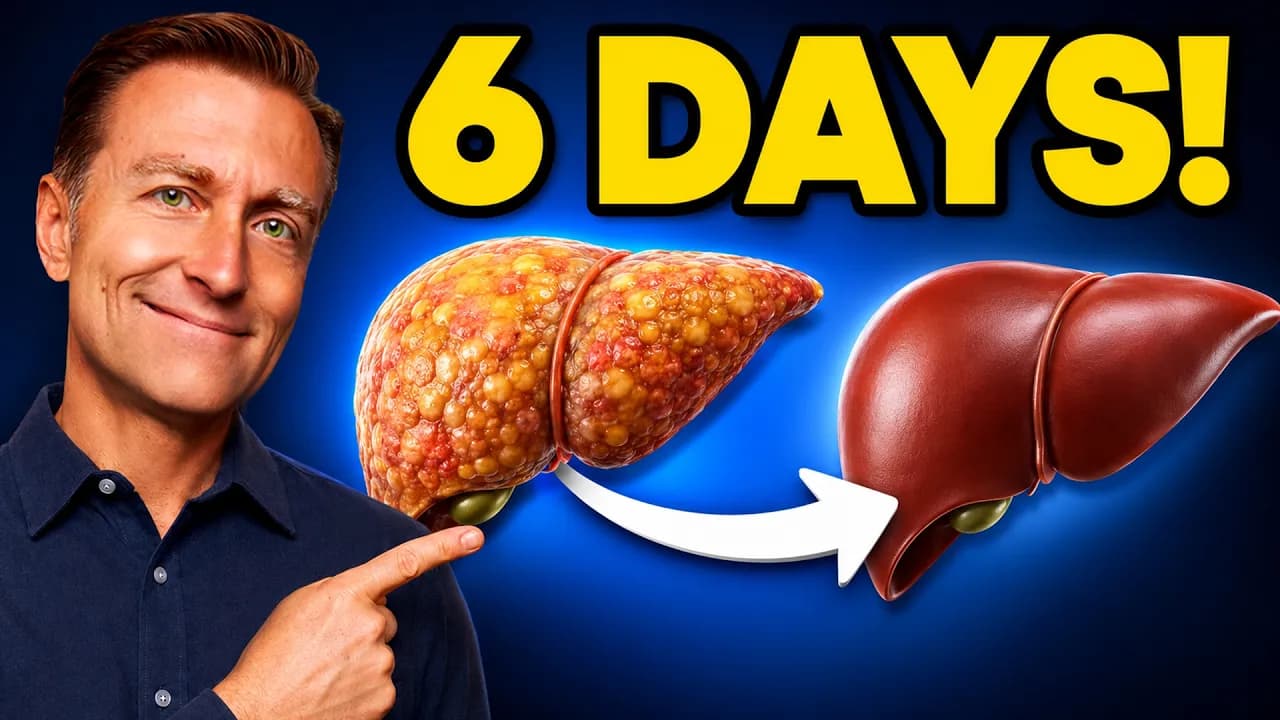
Fatty liver is simply the accumulation of fat inside liver cells, where it should not be. Some doctors may tell you that having a small amount of fat in the liver is not dangerous, but this is not true. Even a small amount of fat in the liver can be the beginning of a much worse problem. This could be the first sign that your metabolism is starting to slow down. Having a small amount of fat in the liver is not good, unless you are treating it. This could also mean that the inflammation has already begun to damage one of the body's most important organs, the liver, the center of metabolic processes in the body.
Inflammation turns into scarring, and over the years, the scarring may harden into cirrhosis, the same permanent liver damage seen in a lifelong alcoholic. Having a small amount of fat in the liver is a sign that tells you to start changing your diet.
The diet with the most clinical evidence for treating fatty liver is actually the Mediterranean diet, but it's not the version you might be thinking of. The regimen that treats fatty liver is the low-carbohydrate Mediterranean diet. It all comes down to one thing: sugar.
Every time you consume sugar or refined carbohydrates, your blood sugar level rises. To lower it, your body releases a hormone called insulin. Insulin's main function is to tell your body to store fat. If you repeat this several times a day, week after week, month after month, year after year, your insulin level will remain high all the time. Eventually, the liver becomes overworked and begins to take this excess sugar and store it as fat. These fats are then stored inside liver cells. This is fatty liver.
One type of sugar is the worst of all: fructose. Fructose is the sugar found in soft drinks, such as Coca-Cola and Pepsi, fruit juices, and high-fructose corn syrup, which is found in most canned foods because it is very sweet and delicious, and it is also addictive. Fructose is transported directly to the liver to be processed. When you swallow high-fructose corn syrup, it goes directly to the liver. Therefore, consuming a fizzy drink or a glass of juice sends a large amount of it directly to this already suffering organ. It stimulates the same pathways in your brain as cocaine. A large amount of high-fructose corn syrup that reaches the liver directly is converted into fat.
When you stop eating sugar and refined carbohydrates, your insulin level drops. When insulin levels drop, the liver stops producing new fat and begins burning stored fat. This stops fueling the fat-burning process, and the liver gets a chance to get rid of it and cleanse itself. High insulin levels and inflammation not only harm the liver, but also cause hardening of the arteries. This is the real reason why fatty liver disease is dangerous. People with fatty liver disease usually do not die from liver failure, but rather from heart attacks and strokes.
In one of the most important nutritional studies, researchers divided participants into two groups: one followed a standard low-fat diet, and the other followed a low-carbohydrate Mediterranean diet. That is, without grains, grape juice or anything like that, but a low-carb Mediterranean diet with the addition of some nuts. Both groups did some physical exercises. The group that followed the low-carbohydrate Mediterranean diet lost a much greater amount of fat from inside the liver. This was measured accurately using magnetic resonance imaging. Both groups consumed the same number of calories, but what differed was the type of food from which those calories came.
When talking about low carb, it does not mean bacon and butter. The diet in the study was based on other types of food. It is one of the most enjoyable and satisfying ways to eat on earth. It relies on real food that you can follow for the rest of your life. Meals consist of vegetables, olive oil, fish, nuts, seeds, and legumes. Olive oil is the main source of fat. Eat fish such as salmon and sardines a few times a week. As for red meat and processed meat, they are placed to the side, not in the middle of the plate, but you still eat some of them.
This is not a traditional Mediterranean diet. You don't fill your plate with grains, not even whole grains. You simply don't eat it. You are excluding grains from the dish. You are still consuming carbohydrates, but in smaller quantities, and not the unhealthy type that raises blood sugar levels sharply. With the carbohydrate level reduced, healthy fats and protein fill the gap. Fat comes from olive oil, nuts such as walnuts and almonds, and fatty fish rich in omega-3. Protein makes you feel full and protects your muscles. Fish, eggs, chicken, yogurt, legumes. Look at your plate again. Fish, olive oil, vegetables, nuts, a little fruit. This is real food, and in abundant quantities. The only thing given up was sugar and processed foods that were putting a strain on the liver in the first place. That's why people can stick to this regimen for years, not just weeks.
You don't have to apply all of this with extreme precision to begin healing your liver. A short list of changes gets most of the work done. First, and the easiest of all, stop drinking sugar. Simply put, stop consuming fizzy drinks, sweetened tea, energy drinks, and fruit juice. Replace them all with water, unsweetened tea, black coffee, anything healthy. Liquid sugar is the fastest way to flood your liver with fructose, and there's nothing to slow it down. For many, this change alone relieves a significant burden on the liver.
Secondly, gradual weight loss. You don't need to lose a lot of weight before and after. Losing just 3 to 5% of your body weight reduces fat in the liver. Losing 7 to 10% reduces inflammation and even helps reverse early scarring. For a man who weighs 90 kilograms, 10% equals 9 kilograms. Losing 9 kilograms gradually, while maintaining this weight, changes the appearance of the liver on scans, and changes your life.
Third, move your body. You don't have to train like an athlete. A brisk half-hour walk is sufficient on most days, in addition to light resistance training twice a week. Surprisingly, exercise helps get rid of fat in the liver even if your weight doesn't change. Therefore, you are addressing the problem from two sides at once. This is the complete list. Reduce your sugar intake, lose some weight, and move your body. It's not complicated. All these methods are effective.
The one change that almost no one undertakes, and it is the difference between treating fatty liver disease permanently or not treating it at all. You need to start measuring. Most people discover they have fatty liver disease by chance. Then their test results improve slightly, so they stop caring, and the fat returns quickly because they don't care. Therefore, you need to monitor your condition constantly. What is measured is managed.
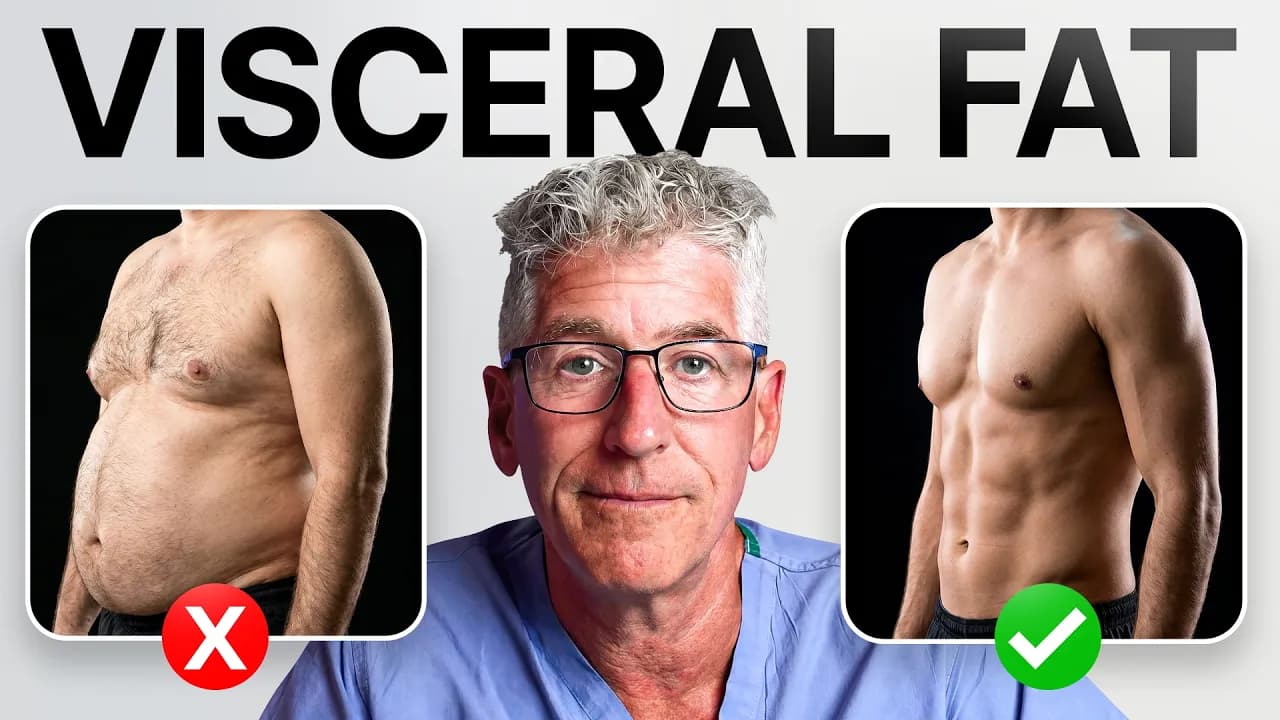
There is something more important than measuring liver fat, namely visceral fat. Visceral fat is fat that accumulates deep in the abdomen, wrapping around the internal organs, and is deeper than the soft fat that can be touched. We are not talking here about the fat that accumulates in the buttocks, but about the deep fat in the abdomen. They cannot be seen or touched. Visceral fat is an independent factor in the development of fatty liver disease. They accumulate right next to the liver, and pour into it, producing a continuous flow of fat and inflammation day and night. Hormones, fats, and inflammation are all factors that negatively affect health. For this reason, some people develop fatty liver disease even with a normal weight. They may look thin on the outside, but they carry dangerous fat inside.
Measuring visceral fat is the step that changes everything. You can check it with a quick body scan, or even track it at home with a simple measurement of the waist-to-height ratio. Once you know this percentage, you can lower it and watch the fatty liver disappear completely. Because you cannot fix what you refuse to measure. Getting rid of visceral fat is the real key. It keeps your liver healthy and your heart strong throughout your life. It is the most important indicator that you may not be following. This is the complete picture of fatty liver. What it really is, the diet that reflects it, and the one change, which is measuring visceral fat, that prevents it completely.
If you would like to apply all of this to your body with the help of a team, call the number shown on the screen now, or click on the link in the description below. Most patients came after watching a video like this. If you are not ready for that, there are many videos that will help you reach your goal. If you want to know how to get rid of visceral fat permanently, the whole plan will be explained in another video. Aging is not easy, but it becomes much easier with healthy arteries. This is known well at age 69.
Keep Dr. Ford Brewer MD MPH in your library
Save the videos and channels worth coming back to, and find them again in one place.