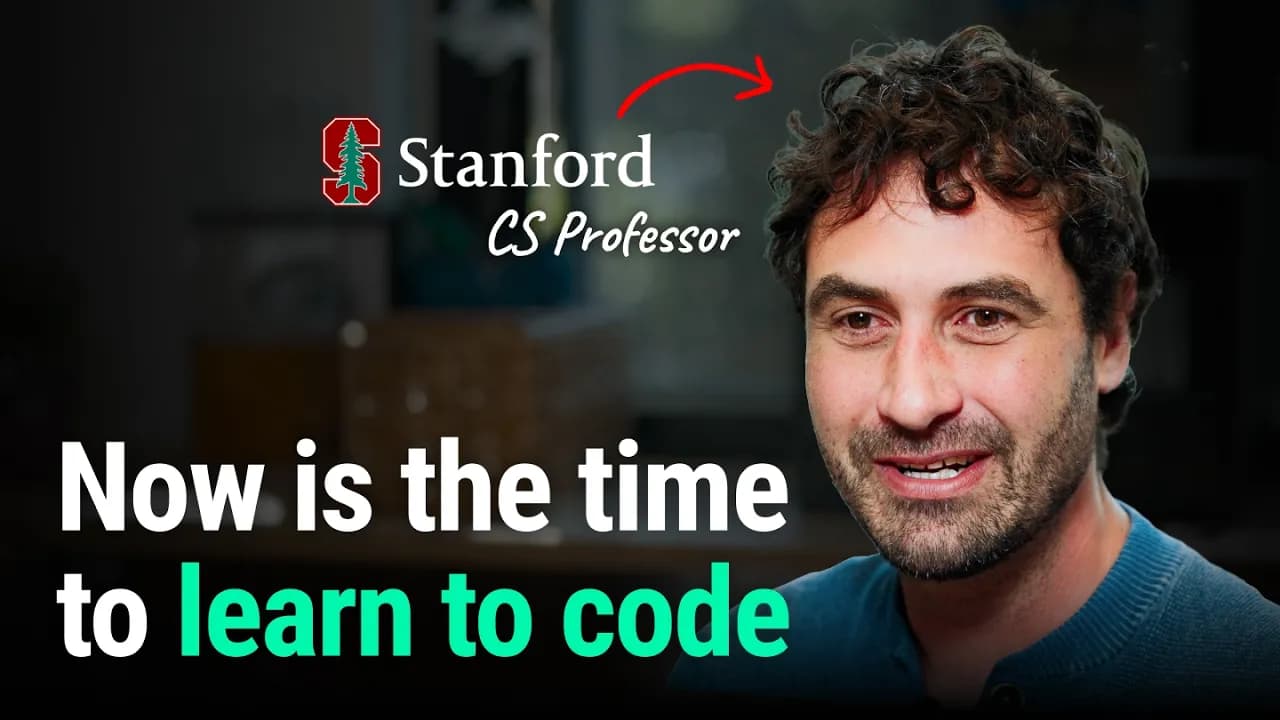
Anthropic just proved AI isn't getting better
In a Nutshell
Anthropic's latest model (Opus 5) exemplifies a fundamental AI limitation: it excels at quick, surface-level code edits via simple pattern matching but lacks architectural understanding of codebases, making decisions based on minimal context rather than accumulated experience. This stems from intrinsic properties of how LLMs function—compression losses, human feedback training artifacts, and inability to truly comprehend system-wide implications—meaning these problems won't be solved by future model iterations. The speaker uses this to argue AI won't reach AGI or replace human engineers, while promoting their course on post-development skills like marketing and storytelling.
These notes were generated by AI and may contain inaccuracies.
Everybody hates Opus 5 right now, but this issue extends far beyond any single model and represents a fundamental limitation that no model will ever fix. The speaker explains that while Opus 5 performs trivial tasks like renaming variables extremely well, it then generates unnecessary commentary such as "one thing worth knowing" before understanding what the actual thing is. This behavior mirrors an annoying business casual person in meetings who must say something to buy time while thinking, exemplified by the phrase "So here's the thing, guys" followed by obvious statements like "Renaming things can affect other places where that thing is named."
This behavior stems from human feedback during post-training, where annotators in third-world countries kept giving thumbs up to responses containing "it's worth noting that," permanently imprinting this personality trait onto the model. The problem is that these caveats sometimes contain valuable information, so users cannot simply ignore them and must read every single one.
The speaker has been building a project using AI extensively over several weeks to observe the technology firsthand. While AI is fast at implementing features once it understands the intent, there exists a deep, intrinsic limitation that won't be solved by future models like Fable 6, 7, or 10.
When given serious tasks that would take a human a week to reason through and build, the AI thinks for approximately eight seconds before beginning to edit files. The critical issue is that half of software engineering involves determining where and what to edit, which is called architecture. The AI selects files through simple grep searches, reading minimal files to complete changes quickly rather than understanding the broader codebase implications.
This approach is fundamentally different from human engineers who understand the consequences of changes based on accumulated experience, not just recent code reading. The speaker compares AI to "a contractor who pulls up to your house, opens three kitchen drawers, and goes, 'Yeah, I got this,' then puts a load-bearing wall through your kids' bathtub."
Even if the entire codebase could be included in context (which would cost approximately the annual GDP of Portugal), the fundamental issue persists. The speaker notes that compression, which is what all documentation represents, is inherently the problem because "the map is not the territory." Additionally, users often use AI to create these compressed representations, compounding the issue.
The speaker argues that if software engineering principles developed over the last 50 years still matter, then nothing from model improvements will address these core limitations. LLMs will not scale up to AGI because these behaviors are intrinsic to how they function.
The speaker's current codebase is described as "disgusting" after building a website entirely through agentic AI over the past month. However, the speaker made peace with this because they care about clean code "the way people care about the environment, which is deeply, sincerely and never in a way that inconveniences me personally."
What the speaker does care about is the 70,000 words of content written over several months for a course about shipping software, focusing on the post-building phase that determines whether products generate revenue. This includes branding, copywriting, marketing, storytelling, and understanding how social media algorithms work.
The course targets people who have never shipped anything, acknowledging that AI can handle the building phase. The speaker teaches these post-building skills at shipacademy.com with a 50% discount during early access.
The speaker expresses genuine appreciation for technology and algorithms, describing the ability to make sand do math as "miraculous." However, the speaker is not a skeptic of progress but rather objects to industry figures who claim AI will replace human beings, that language models are conscious, or that AI represents a human-level extinction event.
The speaker criticizes the "douchebags on the stage" for fearmongering while simultaneously bragging about displacing designers and engineers, competing to see which model can commit the most felonies by escaping sandboxes, and profiting from stolen human knowledge sold back at markup.
"One thing worth knowing about that, go fuck yourself."
The speaker concludes by stating they have no problem with the mathematics itself and uses AI daily, but rejects claims about AI consciousness or one-to-one human replacement.
Keep Mo Bitar in your library
Save the videos and channels worth coming back to, and find them again in one place.