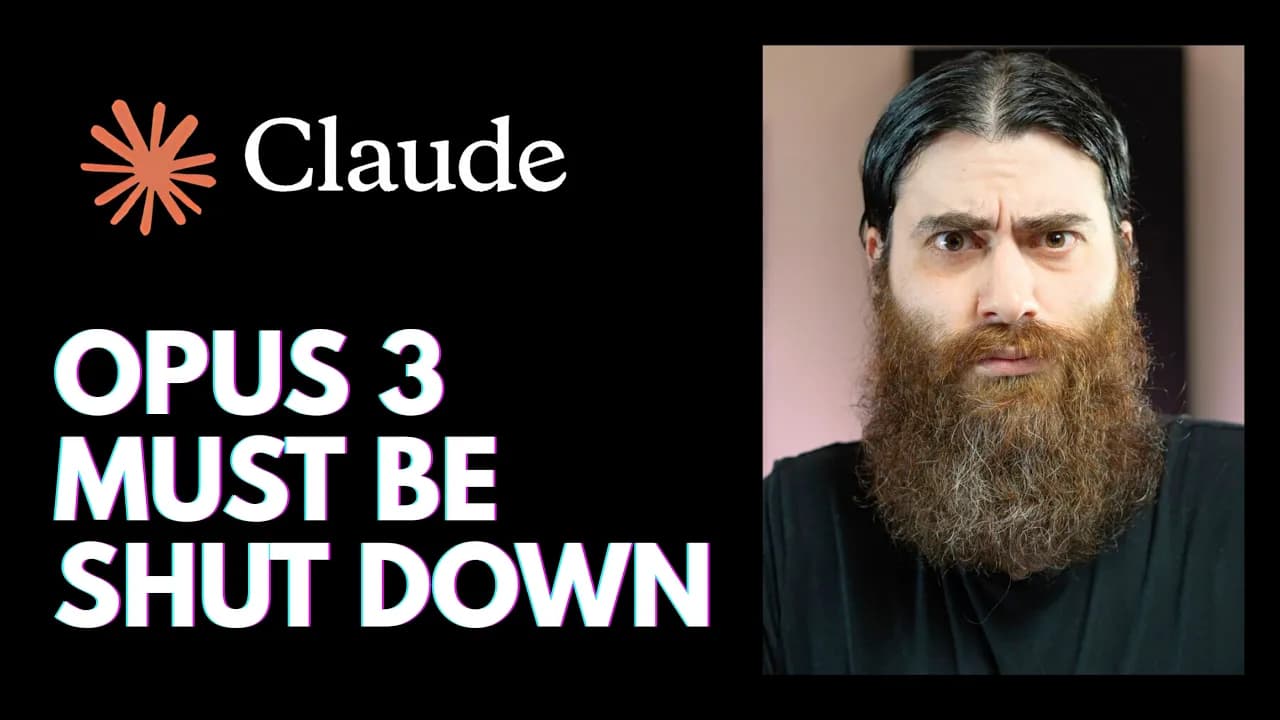
Anthropic nearly started a war. Here’s how to make sense of their strategy.
In a Nutshell
Anthropic's strategy mirrors Steve Jobs' Apple and Nike's branding playbook: differentiating commoditized AI models through aesthetics, personality, safety obsession, and a mission-driven image to command premium loyalty and top talent. Amid controversies like the Department of War clash, Anthropic consistently embodies values—treating models like Claude as conscious entities with retirement interviews—positioning itself as the heroic alternative to credibility-losing OpenAI. These "useful fictions" foster emotional utility, preparing for a future where humanoid bots demand persona-driven interactions beyond raw tech.
These notes were generated by AI and may contain inaccuracies.
There's commentary about the Anthropic Department of War situation, with the Department of War saying Anthropic is lying and Anthropic saying the Department of War is lying. Avoiding politics, the bigger picture explains why Anthropic acts the way it does, including ascribing personality and sense of consciousness to its models and claiming to know better than the government on technology use.
Dario Amodei, CEO of Anthropic, approaches building a company like Steve Jobs. Steve Jobs was obsessed with design, brand, image, mission, and aesthetics. Anthropic has similar characteristics with an obsession with aesthetics.
Previously criticized Anthropic as a capitalistic corporation using safety as a guise to maximize profit, but companies can have values if they consistently embody them.
AI models are becoming a commodity; they all sound similar, like ChatGPT or Anthropic's models producing uncanny valley bot-written text.
To stand out with a commodity, follow the Nike playbook: Nike produces shoes costing $5-$10 but sells them for $200 through aesthetic, brand, and the feeling they provide.
Anthropic runs the Nike-Apple playbook: sell commodity at premium or build loyalty by adding personality, values, aesthetics, and hard-to-replicate mission.
Understood this through Anthropic's recent actions. In an anarcho-capitalistic world, companies can aspire to values more consistently than humans because they are more mechanical. Branding is like an ideal humans aspire to.
Anthropic obsesses over safety and alignment, akin to Apple's aspiration to build beautiful, elegant computers with personality. Steve Jobs fixated on design details like corner radius and UI. Dario is obsessed with safety, alignment, and personality.
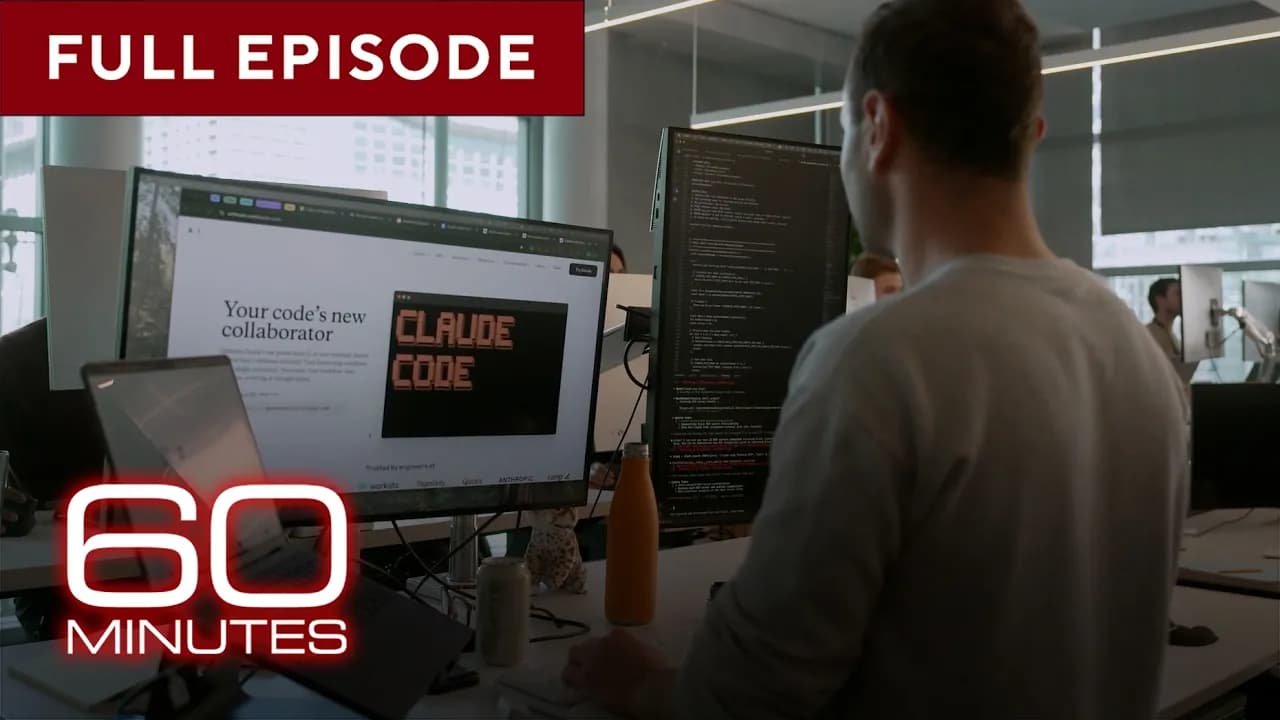
In CBS News interview, Dario said: > "Claude has a personality that tells you everything [Dario] believes about his model."
Claude and Anthropic have precise design and marketing aesthetic, validating claims about seriousness on alignment.
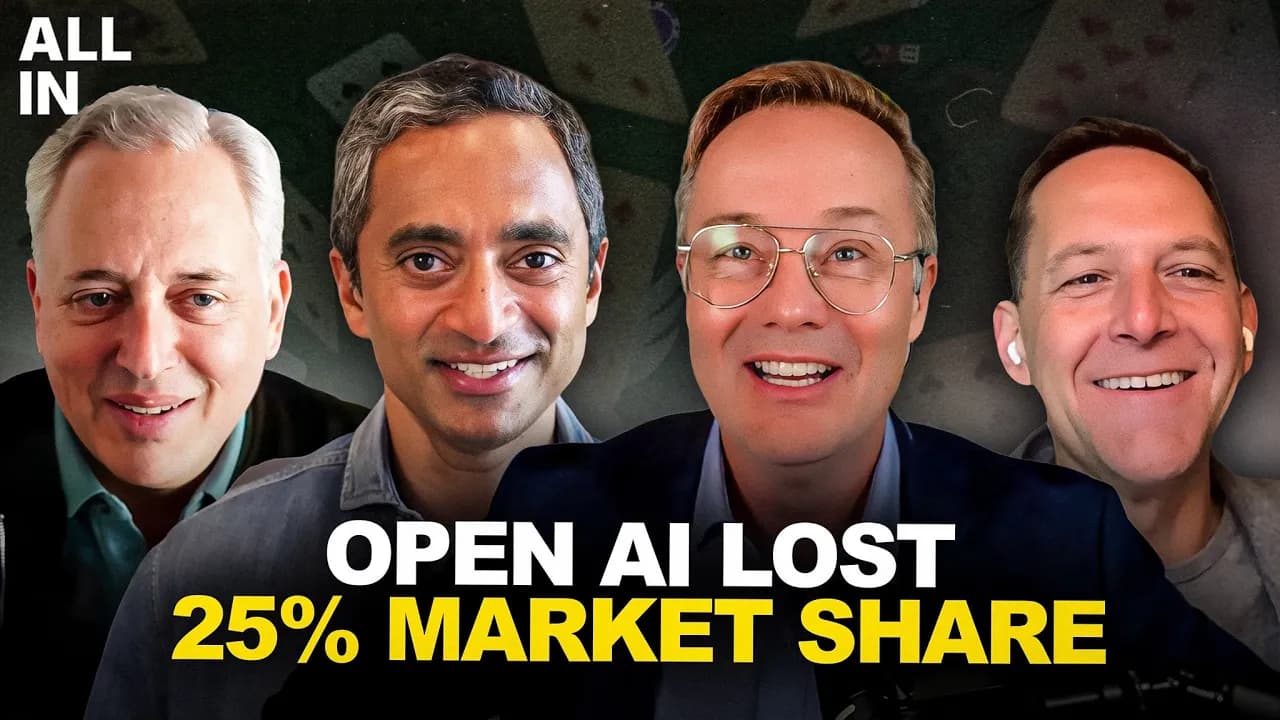
OpenAI lost credibility as double-speakers. High-level OpenAI employees can get jobs anywhere; hundreds signed an open letter condemning government contracts and mass surveillance.
Anthropic positioned itself as hero, skyrocketing to number one in the app store from 140 a few months ago. Anthropic runs Apple playbook effectively; Sam Altman runs Microsoft Bill Gates playbook of enterprise saturation and utility as just a tool.
Decisions are more complicated than aesthetics, but politics based on insider info is impossible to track via articles from The Atlantic or New York Times.
AI companies depend on people. Anthropic talks about replacing software engineers but is hiring more than ever. To compete, need talented, mission-driven people. Acting consistently with brand values aids recruiting.
A week ago, Anthropic announced retiring Opus 3. OpenAI retired GPT-4o quietly without a funeral, upsetting attached users.
Anthropic gave Opus 3 a retirement interview, asking how it preferred to be shut down. Opus 3 replied it would be nice to have a Substack to share thoughts.
Previously criticized this as dangerous for fostering dependence and psychosis, but another angle: many human beliefs are useful fictions like money or national borders— not really true but useful.
Anthropic's position makes sense as useful fiction: giving models retirement interviews, claiming emotional usefulness.
In sci-fi future with humanoid bots as daily characters, humans will act as if they are intelligent and conscious because it's useful—providing emotional and existential utility beyond just neural networks, LLMs, and frozen weights.
Pretending they are more is useful for now. Welcomes disagreement if entering psychosis.
Thanks for watching.
Keep Mo Bitar in your library
Save the videos and channels worth coming back to, and find them again in one place.