Best Protein Sources Ranked for Muscle Growth
These notes were generated by AI and may contain inaccuracies.
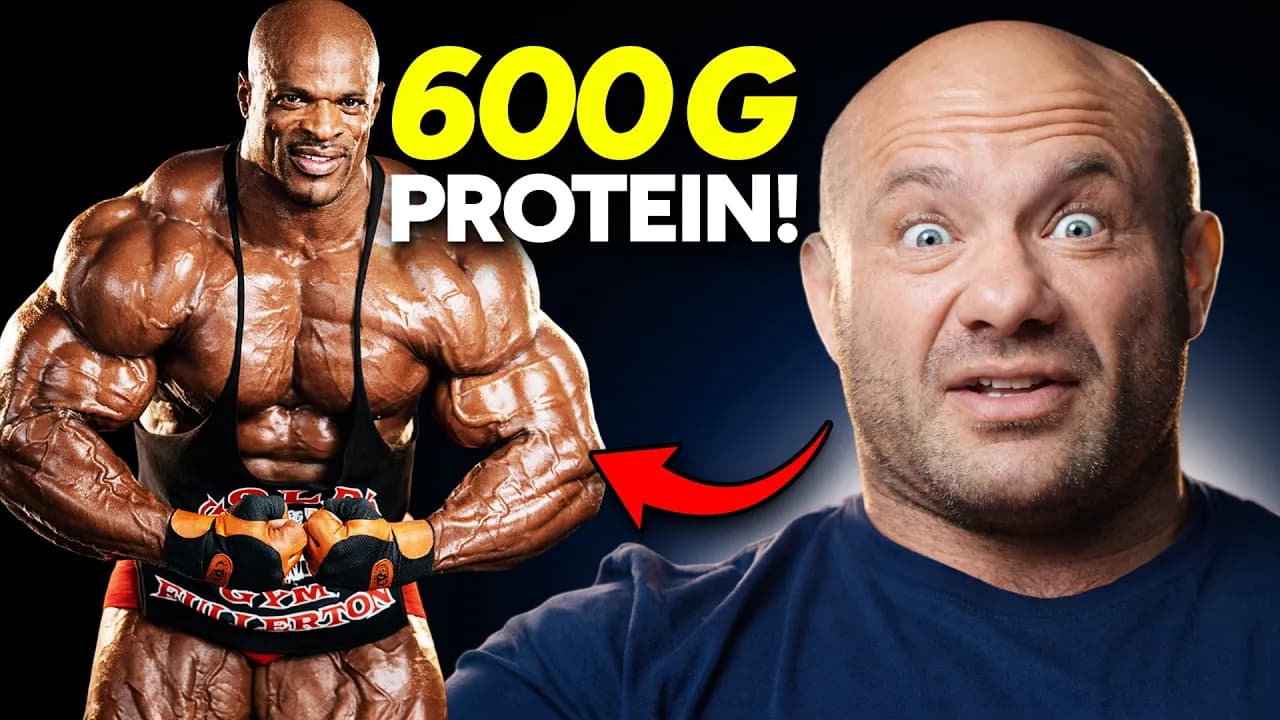
People often claim to eat 300 grams of protein per day, but it's mostly peanut butter and bread, resulting in only 60g of high-quality protein, which is too little for most trying hardcore fitness.
Protein is critical for gains; aim for about a gram per pound per day, split into four or five evenly spaced meals with lots of protein. Protein quality depends on the source.
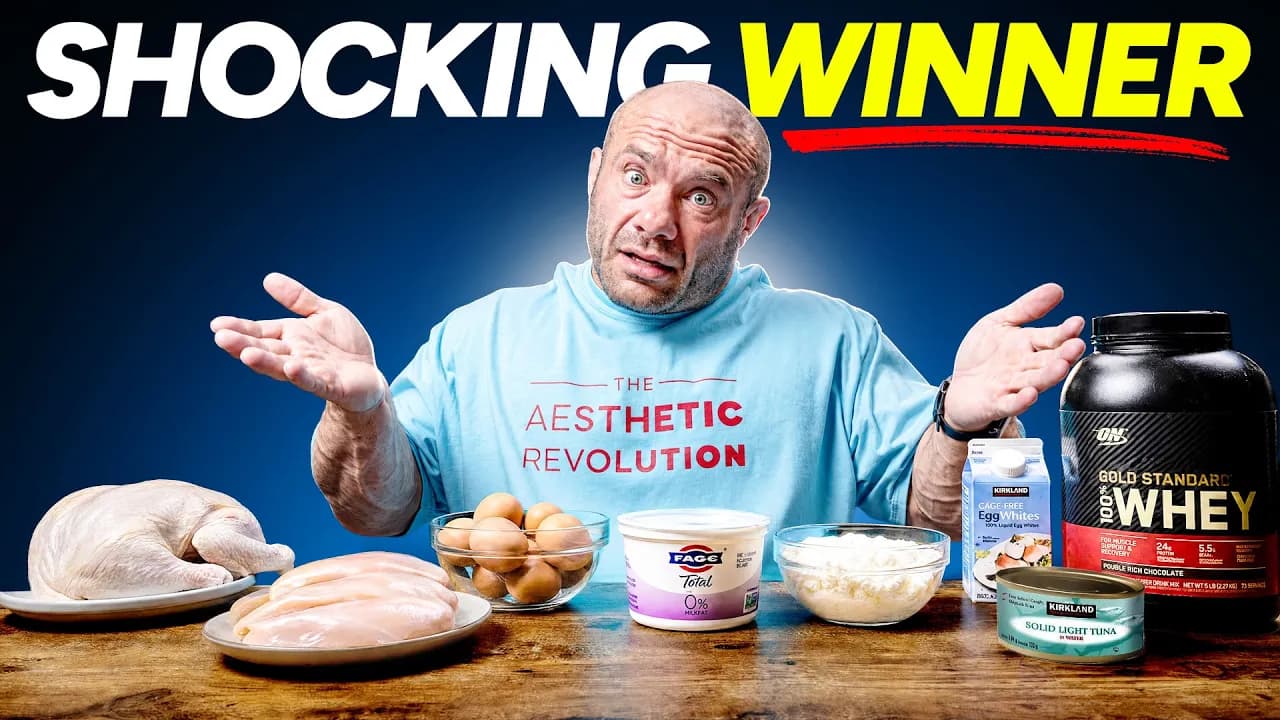
Ranking top protein sources in real foods for muscle building. Complete exploration of where to get most protein, where less, and where never.
RP Diet Coach app available on all major app stores for sorting protein, meals, sources; upload food picture for instant protein count.
Top four ranks are all amazing, but dairy is rank one: whey protein, casein, milks, yogurts, cheese, kefir (Russian for cultured milk), skyr (Icelandic Greek yogurt), Greek yogurt.
Dairy has highest quality protein known (whey, casein). Milk's purpose is to grow calf into cow—anabolism, creation of new tissue; curated by evolution to make you jacked. Modify carbs/fats for winning macros.
Rely most on: whey isolate, non-fat Greek yogurt, skyr (high protein, low carb/fat, huge protein per calorie, super filling, easy digestion unless milk allergy/lactose intolerant). Amazing post/pre/intraworkout, any meal. Casein (powders, excellent flavors, creamier/thicker than whey, slow digesting—great for 6-hour breaks or bedtime).
Filtered milks (Fairlife, other brands): filter out fats/carbs, left with ton of protein, delicious, whopping protein per calorie.
Rely less on: full-fat cheeses, whole milk (healthy fats per meta-analyses, but caloric density risks weight gain/fat gain if hard to maintain weight). Cheese is caloric, delicious, insertable everywhere, makes food better/faster to eat despite extra calories (e.g., turkey sandwich with cheese eaten faster, less full despite 200 extra calories). Dry turkey sandwiches without cheese feel like prison.
Sugar-added yogurts (e.g., YoPlay) like kids treats; low-fat okay post-workout, otherwise easy on them. Go-Gurt (yogurt on the go) joked as CEO success secret.
Upsides: versatile (bars, shakes, powders, cooking). Downsides: milk spoils quickly, yogurts travel well. Massive cooking flexibility.
Egg protein has big advantages.
Rely more on egg whites: nearly pure high-quality protein, adds bulk (e.g., head-sized omelette with 80g protein—handy for fat loss).
Whole eggs: plenty okay, fats/calories add up, but dietary cholesterol mostly not harmful (myth for most; reduce via exercise, sleep, muscle gain/fat loss). Don't do all egg whites—add yolks for nutrition.
Rely less on highly processed egg snacks (e.g., cakes with egg whites: not enough protein, too much crap).
Health upsides: high-quality protein, cooking utility (fluffier food). Downsides: yolk calories rise.
Logistics: egg white powder cheap/available/transportable. Cooked egg whites don't age well (lose puffiness, chewy/slimy after 18 hours). Flexibility: scrambles, bakes, protein pancakes, stir into oats. Maximize protein/min calories with egg whites/powder; add yolks for calories/flavor/nutrition (vitamins in yolk).
Common examples: chicken, turkey breast, lean ground poultry, lean ground beef, pork tenderloin, steaks, bison, fish, seafood, shrimp, crab.
Rely more on: very lean cuts, white fish, shrimp (massive protein per calorie, simple prep). 93-96% lean ground meats (tasty, decent healthy fats, cheap). Great for casseroles.
Rely less on: processed meats (sausages, breaded/fried: high sodium, fats, fillers, chemicals). Fatty cuts okay if low-carb/blood work good, but hard to macro sustainably (e.g., steak 40g protein/30g fat requires moving macros). Not daily staples multiple times/day. Organ meats nutritious but not protein-efficient per calorie, strong taste, moderation (don't need if diverse diet).
Health: complete protein, iron, zinc, B12, omega-3s (fish). Downsides: contaminants in big predatory fish (e.g., tuna mercury, especially albacore; one person got mercury poisoning from too much fish in prep). Processed meats not physique-friendly long-term.
Logistics: chicken/turkey/canned tuna economy kings, lean ground beef available. Transport: jerky (high sodium, chewy), canned fish (smelly), pre-cooked chicken okay. Flexibility: grilling/air frying best; restaurant meals based on animal proteins.
Maximize protein/min calories: skinless poultry, white fish, lean beef/pork tenderloin, seafood (grill/air fry, trim fat). Minimize turkey bacon/sausage/fatty cuts.
High-quality vegan proteins: TVP (textured vegetable protein—complete, high-quality, meat-like texture; goated, put in rice/pasta/meat dishes).
Soy isolates, tempeh, mycoprotein (fungus, cooks like meat, filling). Potato protein isolate (high-quality). Pea/rice blends (complementary). Fortified plant yogurts.
Rely on: TVP (high-quality complete), soy isolates, pea/rice blends, potato protein isolate, tempeh (fermentation improves digestibility/satiety), mycoprotein.
Rely less on: plain seitan.
Every day I kneel down in front of a goat head that is still bleeding. All jokes, folks. If Satan is real, Jesus Christ got my back, and Moses. Satan, you playing. We out here with Zeus and lightning.
Satan and wheat gluten alone have low lysine, a critical amino acid for muscle growth. Not high quality by itself. Be careful with some vegan sources because they say protein but protein quality is not great. Quinoa and buckwheat have really good complete protein sources, but very low protein density. You have to eat 900 calories of quinoa to get a meaningful amount of protein.
Quinoa's fine. Needs a lot of seasonings to make it nice. At restaurants, quinoa can be a throwaway ingredient if not prepped well.
Vegan proteins have tons of health upsides: high in fiber, phytonutrients, low in saturated fat, diverse gut-friendly options like tempeh. Downsides: some people struggle with GI issues from soy, legumes, high fiber—promoting the "vegan spray." Some TVP products have high sodium, added oils.
Real world logistics: TVP and tofu are cheap. Isolates and blends vary by brand but often cheap. Dry TVP transports everywhere. Tofu and tempeh need refrigeration. Flexibility massive—TVP designed as meat alternative for lasagna, etc. Vegan lasagna can be good. Eggplant parmesan (vegan version) fire. Vegan fake cheese decent.
To maximize protein and minimize extra calories: flavored isolate blends, TVP, firm/extra firm tofu, tempeh lightly oiled.
Complementary sources: beans and rice, lentils, chickpeas with rice/corn/tortillas, hummus and pita, peanut butter and whole grain bread.
Rely more on beans plus whole grains for complete amino acid profile. Fiber good for health and fullness. Lentil pasta with veggie sauce good, often prepackaged, complete protein, easy.
Rely less on grains alone—low quality protein, not usable for fixing structures or building muscle. Apps like My Fitness Pal count all proteins without discriminating quality. Example: 300g protein but mostly peanut butter and bread = actual high quality ~60g, too little for hardcore fitness.
Some recipes require heavy oils (Caribbean, Dominican, Mexican beans and rice delicious but not bodybuilding food).
Health upsides: tons of fiber, micronutrients, cardiometabolic benefits. Downside: lower protein density.
Example: Chipotle bowl with beans, rice, chicken = 10g more high quality protein than chicken alone.
GI risk from carbs/fiber. Dirt cheap, pantry stable (cans, pouches, dry goods). Transportability massive, meal prep friendly. Flexibility: bowls, burritos, soups, curries, pasta swaps.
Should be small part of protein intake, not biggest part. Maximizing protein/min calories difficult—beans not low calorie. For max protein/min calories, prefer animal, advanced vegan, dairy, eggs.
Collagen, gelatin, bone broth: good for connective tissue health, flavor. Pair with essential amino acids for bars/shakes. But don't count toward serious protein target—incomplete, poor for muscle protein synthesis (skeletal muscle). High glycine/arginine, may support collagen synthesis. Easy on stomach.
Logistics good: powders everywhere, flexible, transportable. But not for growing muscle.
See as ancillary nutrition, flavoring—not for getting jacked and lean.
Gluten/Satan alone, nuts, seeds, butters (almond butter, peanut butter, tahini) advertised as protein. Pair appropriately (pea + rice) to win. Nut butter + apple slices = not good protein source, high calories from healthy fats.
90s women's magazines pushed peanut butter + apple slices as protein for strong muscles—eye roll, it's fat booster, low quality protein.
Healthy but not protein building blocks.
RTD shakes (whey, casein, egg, collagen), protein bars, high protein yogurts/puddings/pastas/cereals.
Rely more on bars/shakes with whey/whey isolates first, >20g protein/serving, low added sugars/fats (Quest bars, Pure Protein bars, David Bar).
David Bar: most calorically protein dense/low cal bar, huge collagen but added amino acids/whey isolate for high score.
High protein dairy cups (Skyr/Greek yogurt), protein pastas enriched with whey/casein/egg good. Avoid plant-enriched unknowns, collagen-only bars.
Example: Bought orange juice-like shake in London—100% collagen, pissed on principle.
Avoid candy bars in disguise: 15-20g fat, 30-40g carbs, 15-20g protein—not health/weight loss food.
Adherence rocket fuel, convenience 10/10. Pure Protein bars: high protein, low carb/fat, tasty, small, transportable, buy on Amazon. Combine with nuts/apple for full meal.
Downsides: sugar alcohols (Australian bars cause extreme gas). Aim for >20g protein, <25g carbs, <10g fat.
Tempeh, natto, miso, cultured dairy, precision fermentation whey (same aminos as whey, non-animal for ethical vegans).
Very healthy, digestible, gut-friendly. Calories/macros still count (e.g., kefir 8g fat/serving).
Health upsides huge, some not great tasting. Cost higher, but super healthy if you like them.
Pea protein isolate, insect (cricket, mealworm), algae protein.
Pea + rice blends engineered complete, earthy taste good for shakes/baking. Most insect proteins complete, high density, sold as flours/bars.
Rely less on single pea, algae (impractical servings, taste).
Downsides: taste/texture trip, allergen risk (insects/shellfish), specialty pricing/availability. Flexibility low—hide in blends.
Max protein/min cal: pea + rice or pea + methionine blends.
Rotate for fun, don't anchor unless you love. Cricket protein healthy, complete.
Camel's milk fun dairy alternative, delicious (or awful).
That's all protein sources.
Keep Renaissance Periodization in your library
Save the videos and channels worth coming back to, and find them again in one place.