Bill Ackman's Billion Dollar Netflix Mistake (And Why He's Back)
In a Nutshell
Ackman lost $400M (40%) on Netflix after buying near the 2022 peak, illustrating that even top investors make major mistakes with oversized positions. The stock now shows bearish technicals, decelerating growth, and 16% downside risk to $64, despite a 12% fair value upside to $87. Position sizing is the critical lesson—limit initial exposure and use strict risk management rather than relying on institutional validation.
These notes were generated by AI and may contain inaccuracies.
Bill Ackman added a new stock to his long-term position. Ackman has disclosed updated positions including Netflix, Visa, Mastercard, S&P Global, ICE, and ALC as long positions. The analysis focuses specifically on Netflix as an example to discuss both the pros and potential cons of the company.
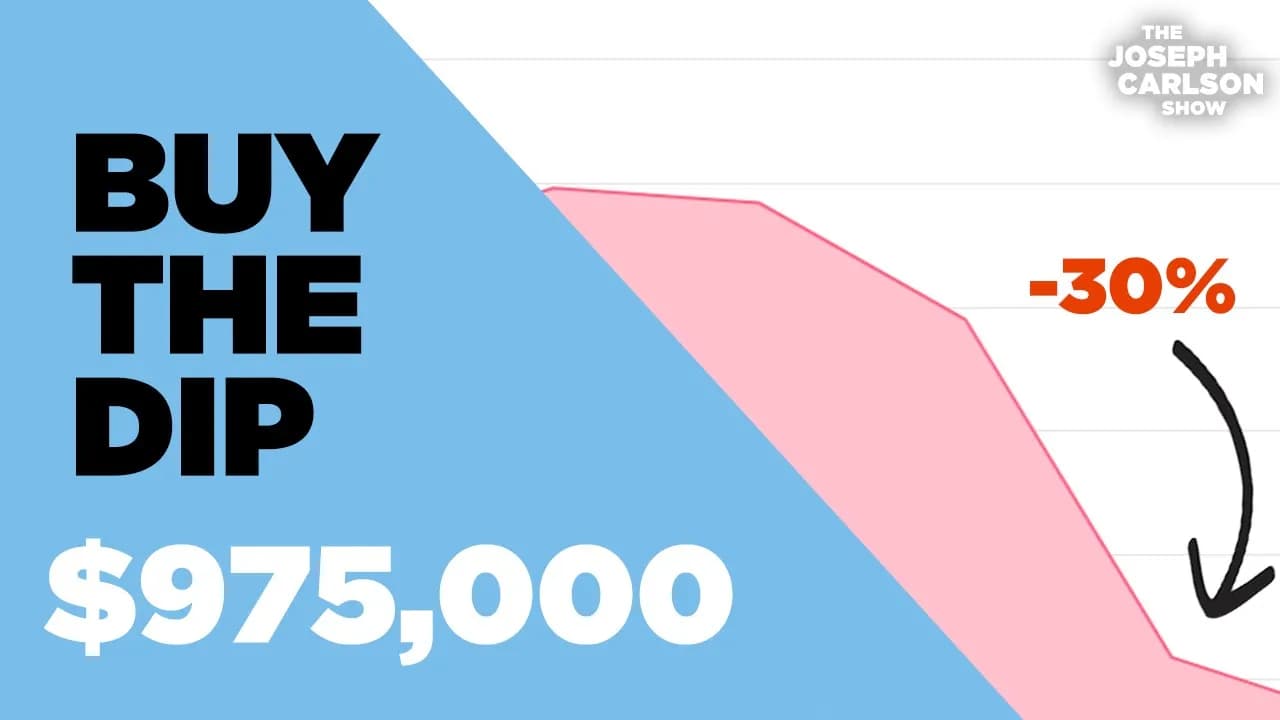
Ackman first invested in Netflix in 2022 after the post-pandemic rally at the highs of $350 per share (pre-split). He invested approximately $1.1 billion into Netflix and sold it for a 40% loss within a few months, losing $400 million. This investment was made when his portfolio was approximately $10.3 billion, representing roughly 10-12% position exposure.
"No one is right 100% of the time. Not even these so-called market makers or huge hedge fund managers."
After taking the 40% loss on Netflix, Ackman invested in Google, which turned out well. During the same period, Netflix ran up 650% after he sold. Ackman stated that the lesson learned was that he felt better about trusting his intuition and making decisions regardless of the outcome.
The example illustrates the importance of position size management. A $1.1 billion position out of a $10.3 billion portfolio represented approximately 10% exposure. This demonstrates that even large institutional investors can take significant hits, and the key is understanding how much exposure any single position represents relative to total portfolio size.
"Position size management matters."
The analysis notes that Ackman's AUM is estimated at $20-30 billion, though the specific portfolio discussed was around $10 billion at the time of the Netflix investment, now at $13-14 billion.
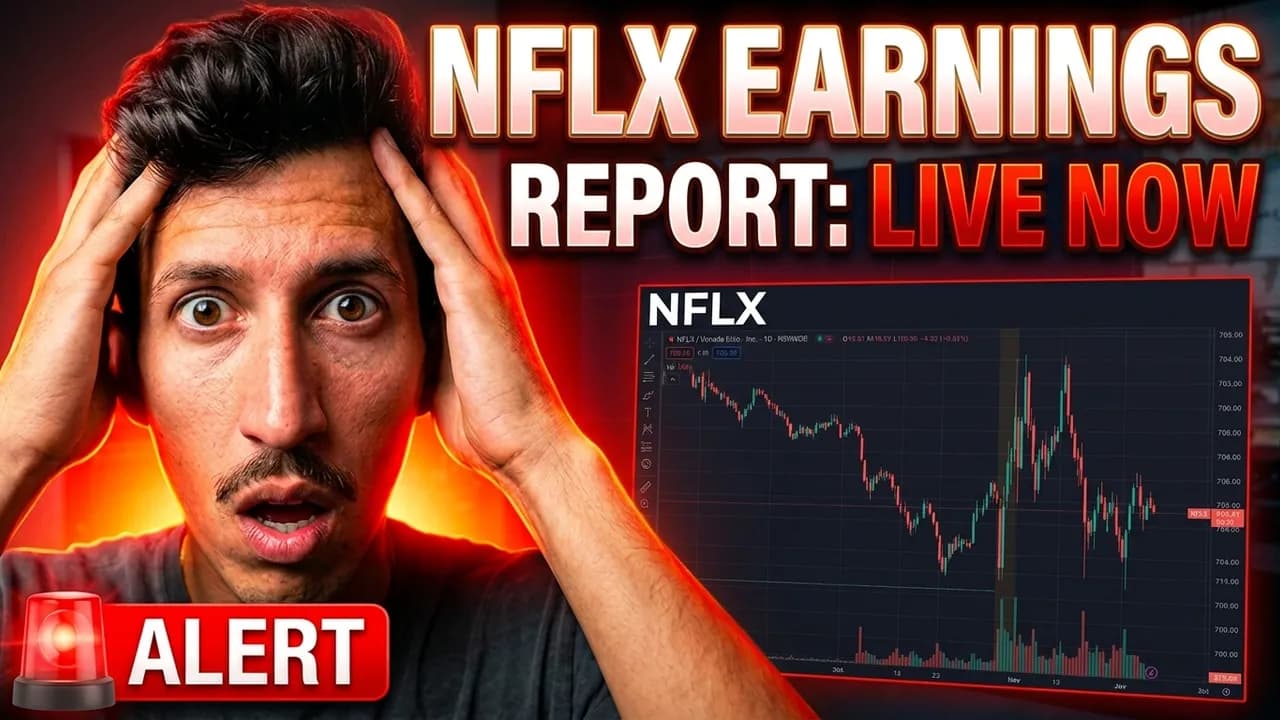
Netflix has formed lower highs and lower lows, with the overall direction remaining bearish. The stock has been trading in a strong descending pattern. After recently reporting earnings, there was a brief uptick, but the technical structure remains concerning with consistent lower highs and lower lows.
The stock fell 8.58% after market hours following Q2 results, dropping below 52-week lows below $70. This was in reaction to decelerating FX-neutral revenue growth of 11% in Q2 versus 12% in Q1, with guidance implying the weakest revenue growth in three years.
Using fundamental analysis, Netflix shows 12% upside based on fair value estimates. Analyst targets suggest a price range around $94, while the current price sits at approximately $78. Fair value is estimated at $87. The P/E ratio is 23.8 times earnings, which is not considered very expensive.
Netflix has $48 billion in revenue and $13.6 billion in net income, with both revenue and net income growing. The stock carries a beta of 1.51, reflecting significant price volatility.
Netflix lost bids to acquire Roku to Fox Corporation's $20 billion offer. The company faces intensifying competition from Amazon, Apple, Disney Plus, and YouTube, many of which can sustain streaming losses for broader ecosystems. Consumer subscription fatigue poses a persistent threat to pricing power and subscriber loyalty.
The bear case includes decelerating growth rates and the risk that the stock could continue falling. Based on recent lows, there is approximately 16% downside risk if the stock makes new lows around $64.
The recommended approach involves calculating risk-to-reward ratios before taking positions. Using a risk calculator with an entry at current levels around $78, a stop loss at recent lows around $64, and a price target at previous highs of $134 provides a framework for position sizing.
With 100 shares at approximately $7,800 investment, potential loss would be around $1,300 if stopped out, while potential gain would be approximately $5,600 if reaching the $134 target. This creates a favorable risk-to-reward ratio.
The strategy emphasizes starting with smaller position sizes (potentially 40 shares instead of 100) to limit initial risk to around $500 while maintaining upside potential of approximately $2,200. Additional positions can be added when market direction becomes more favorable.
"You can always add more to it when direction becomes favorable."
The analysis stresses that position sizing is crucial when investing in Netflix. Even with institutional backing from Ackman, the stock may not immediately turn higher if market sentiment or fundamentals continue to deteriorate. Risk management and position size management remain essential regardless of who else is investing in the stock.
The approach recommends being aware of downside risks rather than focusing solely on upside potential, allowing for more informed decisions about appropriate exposure levels based on the complete risk profile.
Keep Ricky Gutierrez in your library
Save the videos and channels worth coming back to, and find them again in one place.