Cold Immersion Is Even More Worthless Than We Thought? (New Study)
In a Nutshell
A new meta-analysis of 30 studies shows cold water immersion within an hour of exercise fails to restore strength or jump performance, with any soreness reduction or lower creatine kinase largely explained by bias. The practice still reliably blunts hypertrophy, eliminating the previous trade-off rationale of sacrificing muscle growth for faster recovery. Cold immersion is now contraindicated for both performance recovery and muscle-building goals, though it may remain a psychological preference.
These notes were generated by AI and may contain inaccuracies.
If the goal is solely to reduce post-exercise inflammation without concern for hypertrophy, muscle size, or strength gains, cold water immersion after training can reduce inflammation. Some people can tolerate up to 10 minutes in cold water for this purpose.
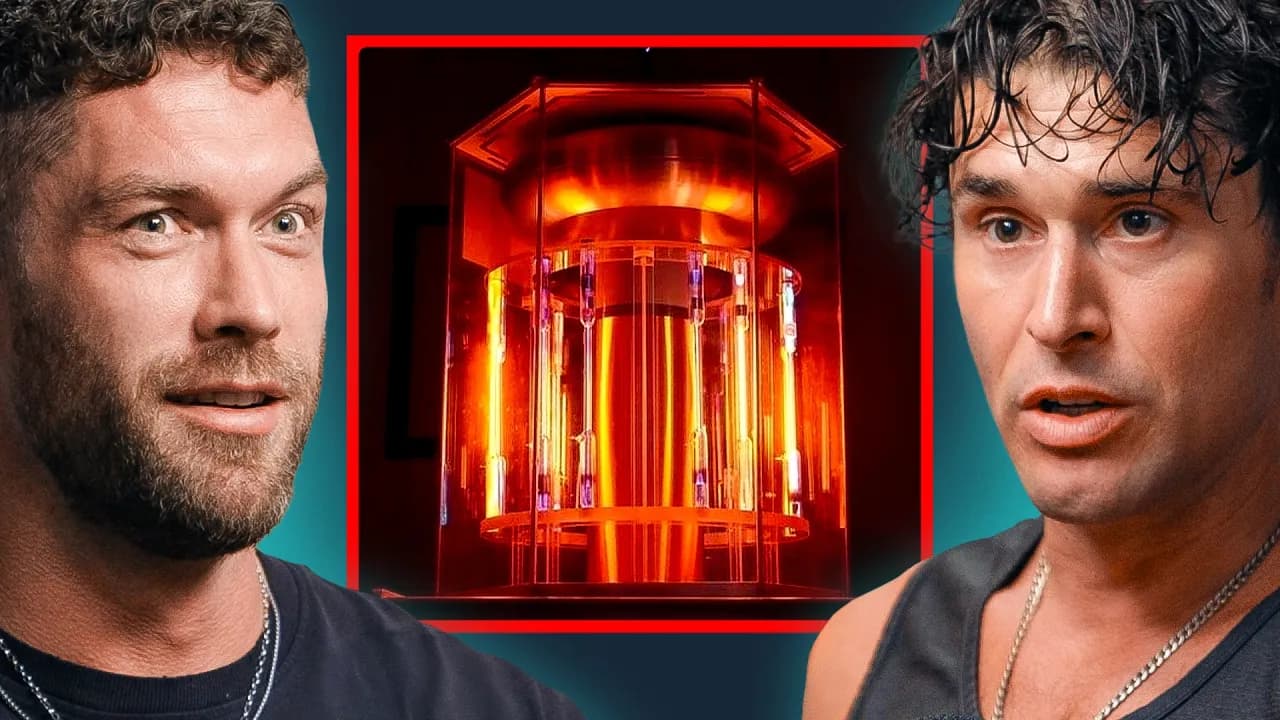
Cold water immersion involves immersing the body in very cold water, especially after workouts, with the goal of improving recovery. The practice is extremely popular despite appearing strange on paper. Health clubs now feature cold immersion tanks and cryo chambers. Professional sports teams worldwide routinely use cold immersion. Many people take cold showers at home, and health podcasters extensively discuss its supposed benefits.
Cold immersion is supposed to reduce the inflammatory cascade that occurs after training, enhancing recovery and allowing performance to return to pre-exercise levels or close to them. It may improve mobility and prevent the tight, sore feeling that impairs sports performance. It can potentially reduce perceived soreness, which may enhance performance if soreness and pain psychology are limiting factors.
Cold immersion may be especially useful for peaking and re-peaking athletes. For example, a soccer player in a one-day tournament playing three games, or a two-day tournament playing four games, could use cold immersion after each game to prevent stiffness and soreness from accumulating. The goal is to reach the final, most important game feeling less jammed up and tight than would occur without cold immersion.
Multiple literature reviews have definitively established that cold water immersion within approximately one hour after training for muscle growth reduces the amount of muscle growth over subsequent days. This effect is well-documented and not eliminated but reduced. The practice is therefore contraindicated for those prioritizing hypertrophy.
Cold immersion may still have value for powerlifters or weightlifters focused on neurological aspects rather than muscle size. Athletes training with heavy sessions back-to-back, or those participating in jujitsu, rock climbing, or similar activities where muscle growth is not the goal, might benefit from enhanced recovery between sessions. People do not rock climb to grow muscles, so if cold immersion enables better second sessions, it could be beneficial.
A new meta-analysis reviewed 30 randomized controlled studies involving 527 total participants. Studies ranged from 2008 through 2025. Most participants were male. The analysis examined whether cold water immersion within about an hour of exercise improves performance metrics compared to placebo or doing nothing.
Cold water immersion protocols varied significantly: temperatures ranged from 5 to 20°C, immersion durations from 6 to 25 minutes, and immersion depths from partial limb immersion to lower body only to full body up to the neck. Exercise modalities tested included high intensity interval training, conventional resistance training, endurance running, rugby, basketball, jujitsu, 10 km downhill running, and half marathon.
The primary performance outcomes measured were strength and jump height. Studies compared pre-exercise baseline measurements of strength and countermovement jump (vertical jump) against post-exercise measurements in both cold water immersion groups and control groups.
The meta-analysis found that cold water immersion does appear to help some people feel less sore after hard exercise. One sub-analysis showed lower creatine kinase levels, indicating reduced muscle damage, but this finding largely disappeared when publication bias statistical correction was applied. The analysis concluded that cold water immersion does not dependably reduce mechanical damage indicators from a molecular detection perspective.
Cold water immersion does not meaningfully restore strength or jump performance overall. Partial or lower body only immersion performed just about as well as whole body immersion across outcomes, which indicates that neither approach produces meaningful performance benefits.
Some individuals may genuinely feel better and experience performance enhancements from cold water immersion despite average results showing no benefit. The studies did not focus on local icing or cryo chambers specifically, though the mechanism of cold application is similar. The study population was almost exclusively male with very few females, limiting conclusions about effectiveness for women.
The era of using cold water immersion for performance recovery is over based on this comprehensive review. The previous rationale of accepting reduced muscle growth because of performance benefits no longer holds. Cold immersion should be avoided after training if muscle growth is the goal, though it could potentially be done hours later if desired.
If performance recovery is the goal, cold immersion probably does not provide meaningful benefits. Athletes should consider whether cold plunging is pursued for evidence-based performance enhancement or simply as a psychological preference. The science indicates cold water immersion likely does not improve recovery, does not affect performance, and does not help maintain performance capacity for subsequent athletic events.
Keep Renaissance Periodization in your library
Save the videos and channels worth coming back to, and find them again in one place.