Exercise Scientist Examines Gen Z’s Steroid Epidemic: How Bad Is It?
In a Nutshell
Gen Z steroid use is overstated as an epidemic—rates among high school boys have actually dropped below 1% over 20 years, despite heavy social media promotion. Most viral steroid content reflects a vocal minority and algorithmic bias toward extreme physiques, not widespread adoption. The core takeaway is that teens should skip steroids entirely before age 25, focusing instead on education, natural training, and long-term development rather than chasing impossible physiques shaped by enhanced influencers.
These notes were generated by AI and may contain inaccuracies.
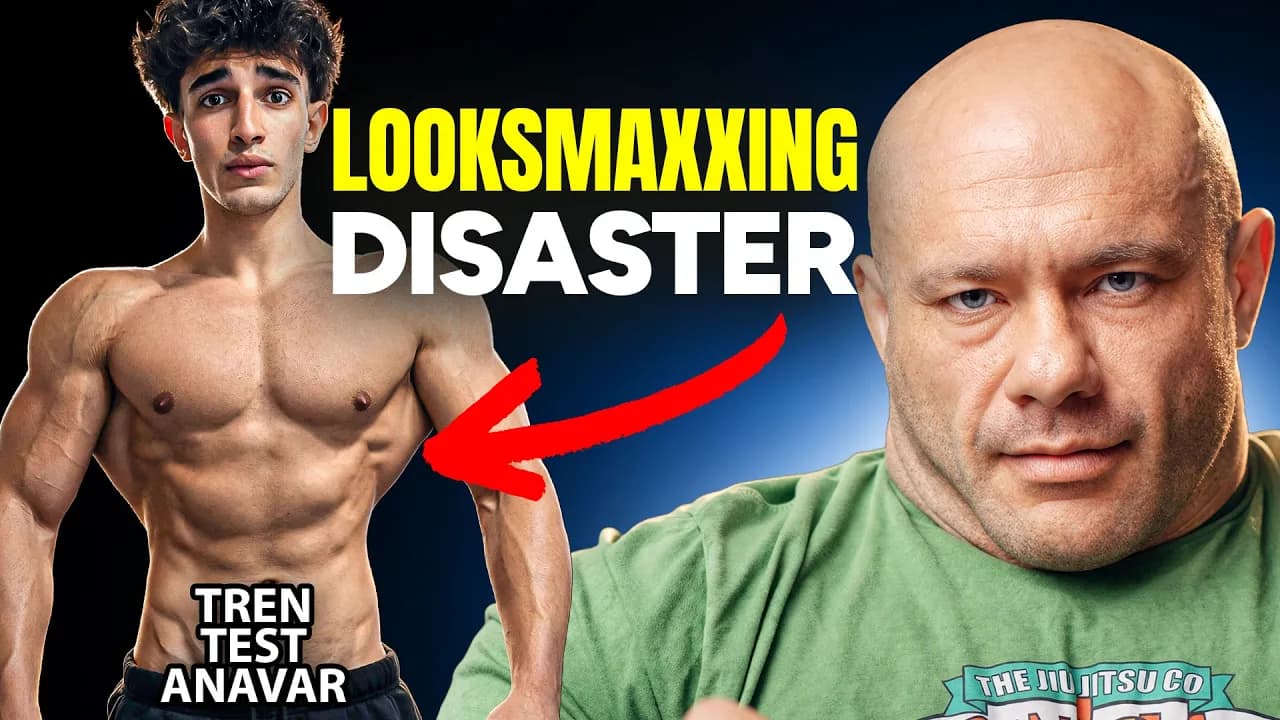
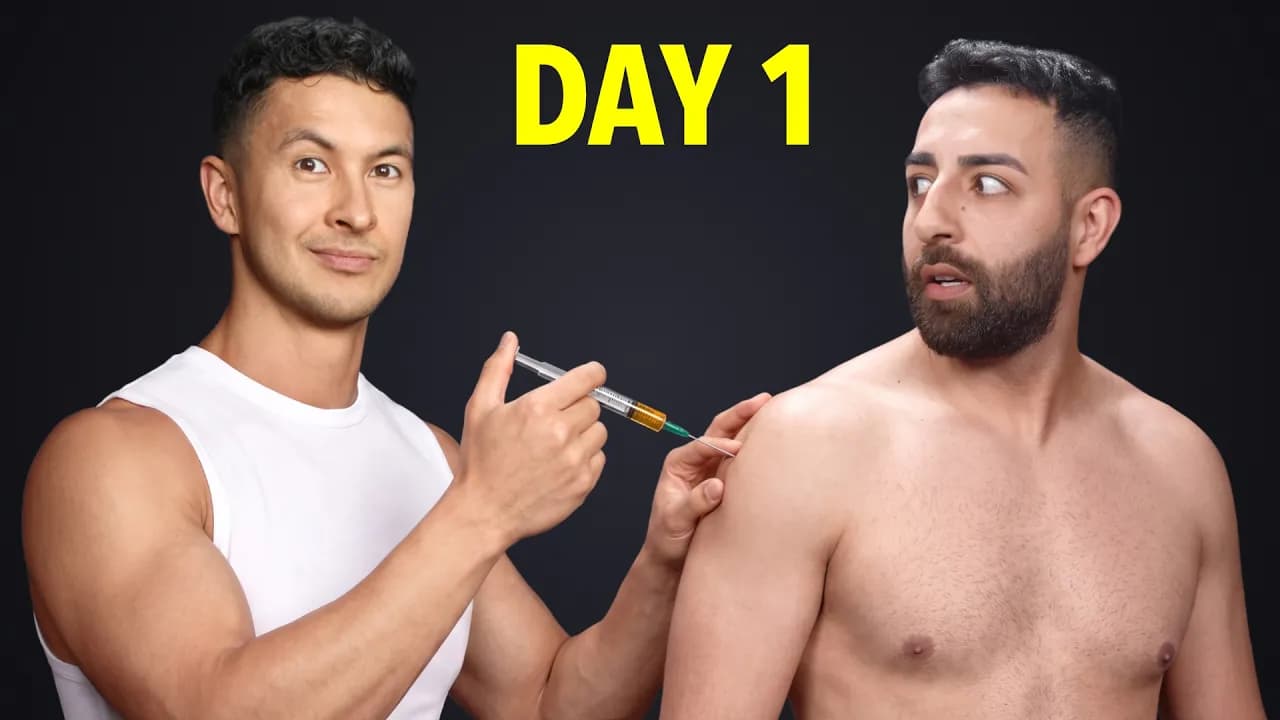
A large portion of the younger generation does not consider steroid use as life-threatening but rather as normal and essential to achieving their goals. Countless young people are posting detailed accounts and results of taking illegal anabolic steroids online. Popular YouTubers are making videos listing the best substances to take. TikTokers are selling coaching services on how to start steroid cycles.
Gen Z spans from 1997 to 2012. The upper limit means individuals are 14 years old in 2012, making them 26 in 2026. This generation grew up on social media.
Teenagers' brains are not fully developed, leading to a mindset where everything must be achieved immediately. Teenagers are very sensitive about social status, attractiveness, and popularity. Many believe muscular physique directly impacts social status, thinking "I need to be popular right now." At thirty, popularity matters less, but college social dynamics create immediate pressure. Teenagers get caught up in social competition to be popular, cool, and handsome, with some using steroids to gain perceived advantages.
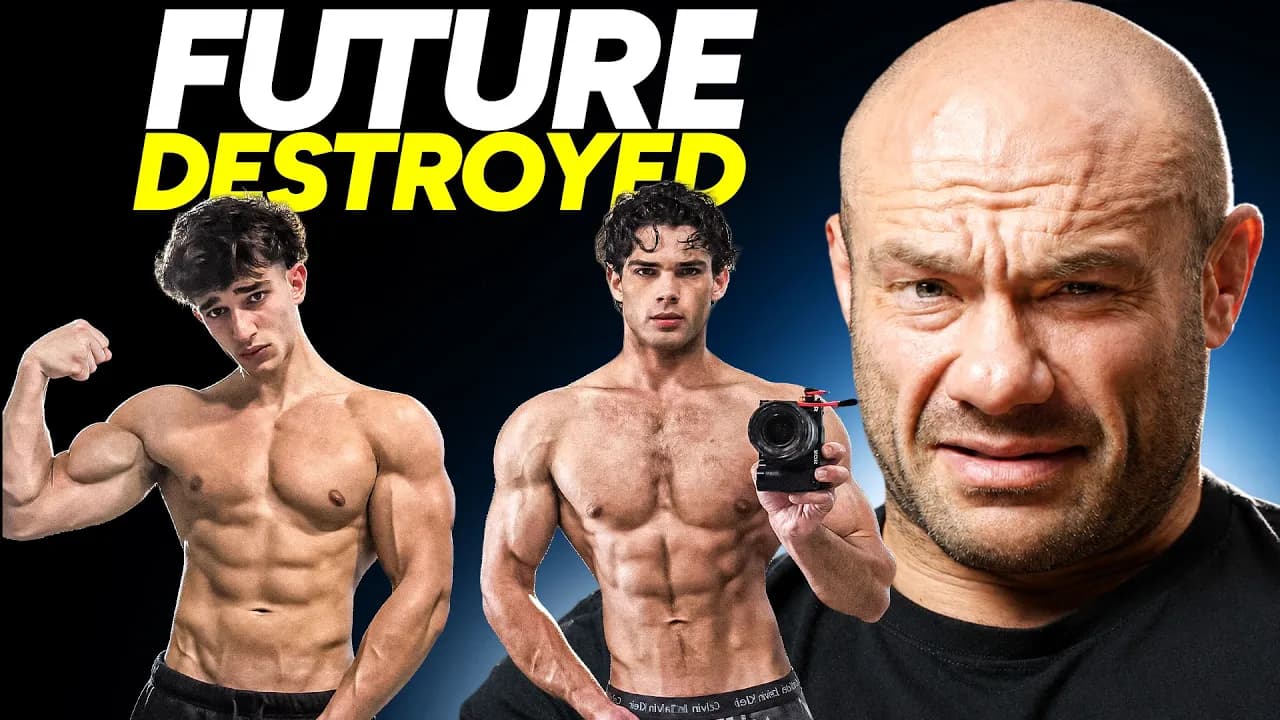
The dark sides of steroid addiction receive less discussion than the promotion of use. YouTube thumbnails about the dark side of steroids receive millions of views. Dr. Mike's clip "The Dark Side of Taking Steroids" has 14 million views and ranks first in searches. Despite abundant content warning about risks, teenagers may dismiss these messages when they perceive hypocrisy in the messenger's physique.
Teenagers are intelligent and quickly detect hypocrisy. When shown anti-steroid media featuring muscular individuals, they may reject the message entirely. Some conclude that steroid use is acceptable if the presenter appears successful despite the warnings.
The claim that an entire generation sees steroid use as normal and essential requires scrutiny. Social media shows vocal minorities, but this does not represent the full population. Most teenagers stay away from drugs and have no plans to use them. Traditional media techniques for creating hype are being replicated on social media.
To analyze claims properly, ask: "Does it really exist? How do you know? What does the data say?" Thousands of TikTok videos showing teens taking steroids do not prove an epidemic without comparative data showing rates higher than normal. When almost no steroid users exist (tiny fraction of one percent), multiplying by global TikTok population creates countless videos without indicating widespread use.
Physique inflation means standards of physical excellence have reached levels impossible to achieve naturally. In the 1980s, actors like Sylvester Stallone, Arnold Schwarzenegger, Dolph Lundgren, and Jean-Claude Van Damme represented peak muscular physiques in cinema. Today's action heroes like The Rock (around 60 years old) and Alan Ritchson do not match 1980s standards of muscularity.
The Overton Window for acceptable physiques has expanded over time. Social media shows the most exceptional bodies, not average ones. If a thousand people post natural physiques, algorithms show only the top 20 most impressive examples. Viewers mistake these exceptional bodies for the average natural physique.
Most bodies shown on social media claiming to be natural are actually enhanced. Natural physiques achievable as teenagers or in the 20s can appear impressive. Social media creates confusion about what is achievable naturally versus through performance-enhancing drugs.
Genetic traits like head shape cannot be changed by steroids. Mr. Olympia competitors and NPC competitors who use steroids almost universally do not have head shapes like Dr. Mike's. Steroids cannot create specific genetic features.
Sam Sulek is popular for being honest about his diet, training, and gym hours. However, his refusal to discuss potential drug use creates questions about what most impacts his results. Genes have much greater influence on results than steroids.
Between 2020 and 2023, promotional videos for steroid-like drugs received at least 587 million views on TikTok under specific hashtags in the United States, with 72% of views from users aged 18-24. A 2002 Monitoring the Future Study found 2% of high school-aged boys had used steroids. The same study twenty years later found rates dropped below 1%. Self-reported drug use surveys may have similar error rates across time periods.
Living every day as if it were the last leads to lack of future planning. The alternative approach is to plan as if never dying and make incremental improvements. Doing something today that makes tomorrow slightly better creates compounding benefits over time. After ten years, this approach leads to better jobs, families, finances, and health.
There is probably no steroid epidemic among teenagers. Teenagers should not take steroids before age 25 without consulting a doctor. Focus on education, exercise, social skills development, and enjoying life. Avoid actions with questionable benefits and potential negative consequences like increased anger and other side effects.
Keep Renaissance Periodization in your library
Save the videos and channels worth coming back to, and find them again in one place.