GET READY: BOND MARKET IS FLASHING RED!
In a Nutshell
Oil prices surged to $119.50/barrel (highest since the Iran war), driving gas to $4.50-$5.50/gallon, eroding consumer disposable income amid broader economic struggles. Bond yields hit alarming highs (30-year at 5%, 10-year nearing 5%), signaling red flags in an overextended, irrationally valued market overdue for correction, with the Fed unable to cut rates in rising inflation. Powell stands firm against Trump's attacks, but higher oil and yields spell pain for consumers; watch for potential sell-off.
These notes were generated by AI and may contain inaccuracies.
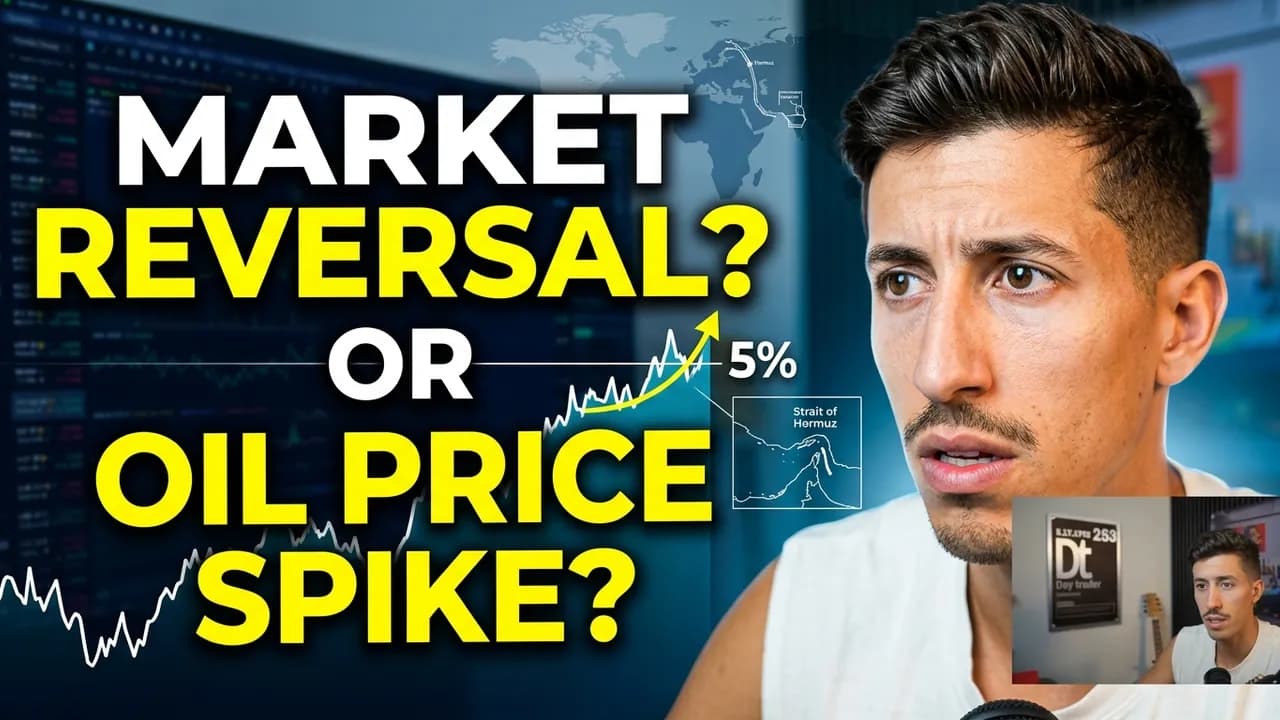
Oil prices hit the highest level since the start of the Iran war. Brent crude oil prices surged to $119.50 a barrel, the highest since 2022. UCO up 1.15%, USO gapped up overnight. The EIA called this the biggest energy security threat in history.
President Trump said Jerome Powell wants to stay as Fed Chair because he can't get a job anywhere else. Trump responds to federal officials like a six-year-old while oil prices reach these levels.
Jerome Powell stated in today's press conference that oil prices going up means more than paying at the pump—it's taking away disposable income from the average American. Gas prices rose from $2.50-$3 a gallon to $4.50-$5.50 per gallon, forcing spending on necessities.
Market sentiment shifted; a few weeks ago, there was concern about rising inflation and weak labor market, but markets ignored it for two weeks. US 30-year yield touched 5% for the first time since 2025, 11 basis points from an 18-year high. 10-year Treasury pushing closer to 5% is not a good sign for homebuyers—ask your lender.
Fed cannot cut rates when inflation is rising because cutting rates is inflationary, exacerbating the issue. Mag 7 companies performing well (Google up 6.95% after strong earnings, Amazon up 2.2%, Meta exceeded expectations but down due to capex/AI spending concerns, Microsoft down 1.3% despite strong earnings) does not reflect the broader economy.
Markets pushing to all-time highs while average Americans struggle to put food on the table, rent or own a home, or afford gas for essential vehicles. Oil prices at highest since Iran war; USO day chart shows levels not seen since around 2015.
Acknowledge red flags without panic—no intention of selling long-term investments fully. Markets are irrational, overextended, inflation rising, oil prices rocketing (passed to producers then consumers). Irrational market will eventually pop. Sentiment comes in waves; now concerns about bond market and oil at elevated levels.
Market may continue higher or break support and correct—correction long overdue in irrationally valued market. Discuss more in tomorrow's live trading session. Excited to see oil hold up and Trump's response.
Powell stated he will not leave the Fed until the case against him is fully resolved and not pursued. Impressed by Powell standing his ground—he's level-headed, soft-spoken, doesn't overreact. Trump's response hit his ego.
All politics aside, bond market and rising oil prices mean consumers will pay higher prices—not good. Markets gapped up, may sell off tomorrow into open—potential to open short positions in live trading session (second link below). End the year on a green note.
Keep Ricky Gutierrez in your library
Save the videos and channels worth coming back to, and find them again in one place.