How I Lost Weight By Eating 6,000 More Calories
In a Nutshell
Low-protein diets (around 9% of calories) increase daily energy expenditure by ~600 calories through microbiome-driven white-fat beiging. The gut bacteria trigger bile-acid signaling via FXR and FGF21 pathways, converting energy-storing white fat into thermogenic beige fat. A four-strain bacterial consortium (HU4) plus low-protein feeding produced greater fat loss and preserved muscle in mice, suggesting future probiotic therapies could replicate the effect without sustained protein restriction.
These notes were generated by AI and may contain inaccuracies.
Imagine burning 600 extra calories per day by changing just one thing in your diet. That amount of energy equals a chunk of pure fat. Controlled human trials suggest the effect is real. A self-experiment involving deliberate overeating led to weight loss instead of gain, producing a result that defied standard calorie math.
New data published in top journals prompted a re-examination of human energy metabolism. The investigation moved through controlled human trials, dietary fads, personal experimentation, and mechanistic studies. The goal is to explain how certain diets increase energy expenditure without added exercise.
Chapter structure:
- Chapter 1 covers the most surprising human trial of 2025
- Chapter 2 details a personal fat-loss self-experiment
- Chapter 3 examines a breakthrough paper in Nature on white-fat beiging
- Chapter 4 explores the specific microbial “fat-burning cocktail” identified by researchers
- Chapter 5 discusses implications for future metabolic therapies and immediate practical steps
Three separate controlled human trials showed that lowering protein intake to 9 % of total calories increased total daily energy expenditure by roughly 20 %, equating to about 600 extra calories burned per day. The increase occurred without extra exercise or lifestyle changes and was independent of whether the remaining calories came from fat or carbohydrate. No meaningful muscle loss was observed.
At the time the results appeared paradoxical because lower protein was expected to reduce metabolic rate.
Concurrently, an online “sugar diet” trend emerged in which participants consumed large amounts of sugar, fruit juice, dried fruit, and candy while keeping protein extremely low. Anecdotal reports described fat loss and improved exercise performance. The controlled-trial data lent plausibility to the reports, prompting further investigation.
Protein intake was halved from ~18 % to ~9 % of total calories. A sample day included buttery eggs, walnuts, coffee with cream, and keto ice cream (cream, yogurt, sugar-free dark chocolate, stevia). Daily calories were progressively increased; by the end of the experiment the subject was consuming a 500-calorie daily surplus.
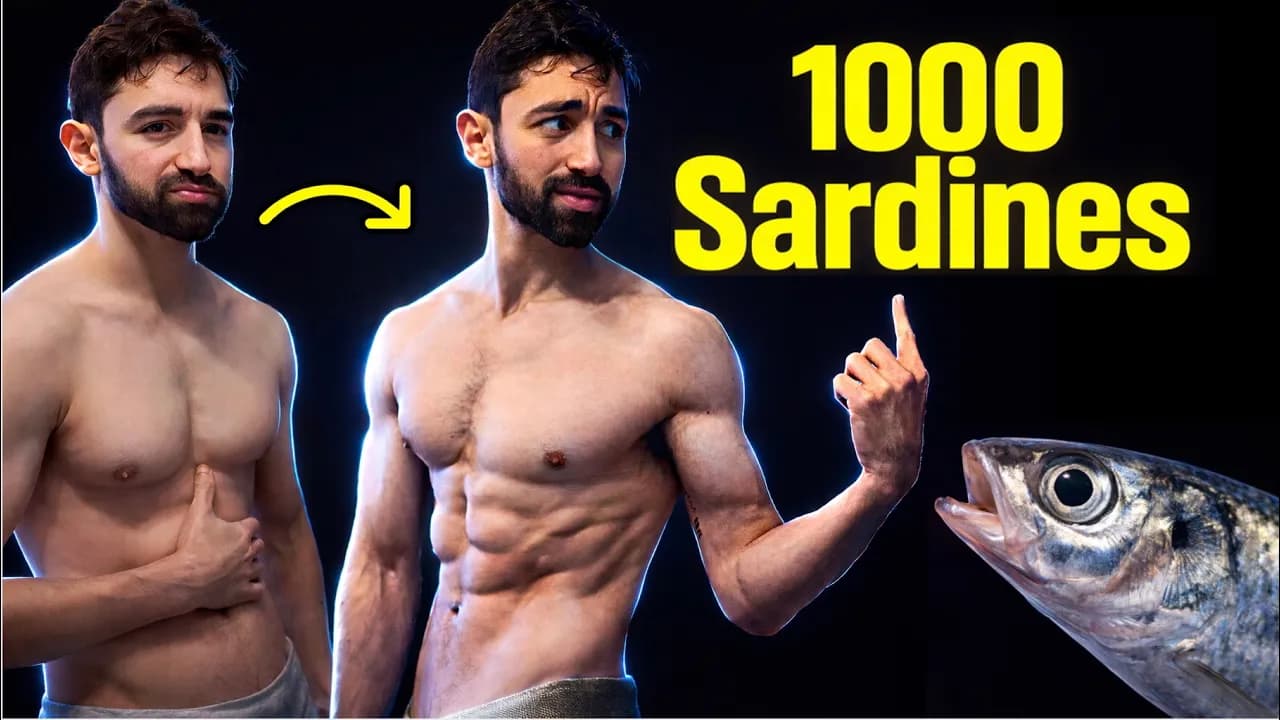
Over several weeks an estimated 6,000-calorie surplus should have produced weight gain, yet 6.4 lb were lost. The body therefore expended substantially more energy than predicted by caloric intake.
The experiment was not intended as a long-term dietary recommendation but as an n = 1 test of the metabolic phenomenon.
A study published in Nature investigated how protein restriction induces white-fat beiging (the conversion of ordinary white fat into a more metabolically active, brown-fat-like state). Three adipose-tissue categories are relevant:
- White fat stores excess energy
- Brown fat, derived from muscle stem cells, burns fuel rapidly via thermogenesis
- Beige fat is white fat that has acquired brown-fat characteristics
PET imaging (FDG) revealed large inter-individual differences: some participants showed almost no detectable brown/beige fat activity, while others displayed high glucose uptake in the same depots, indicating active thermogenesis even at rest.
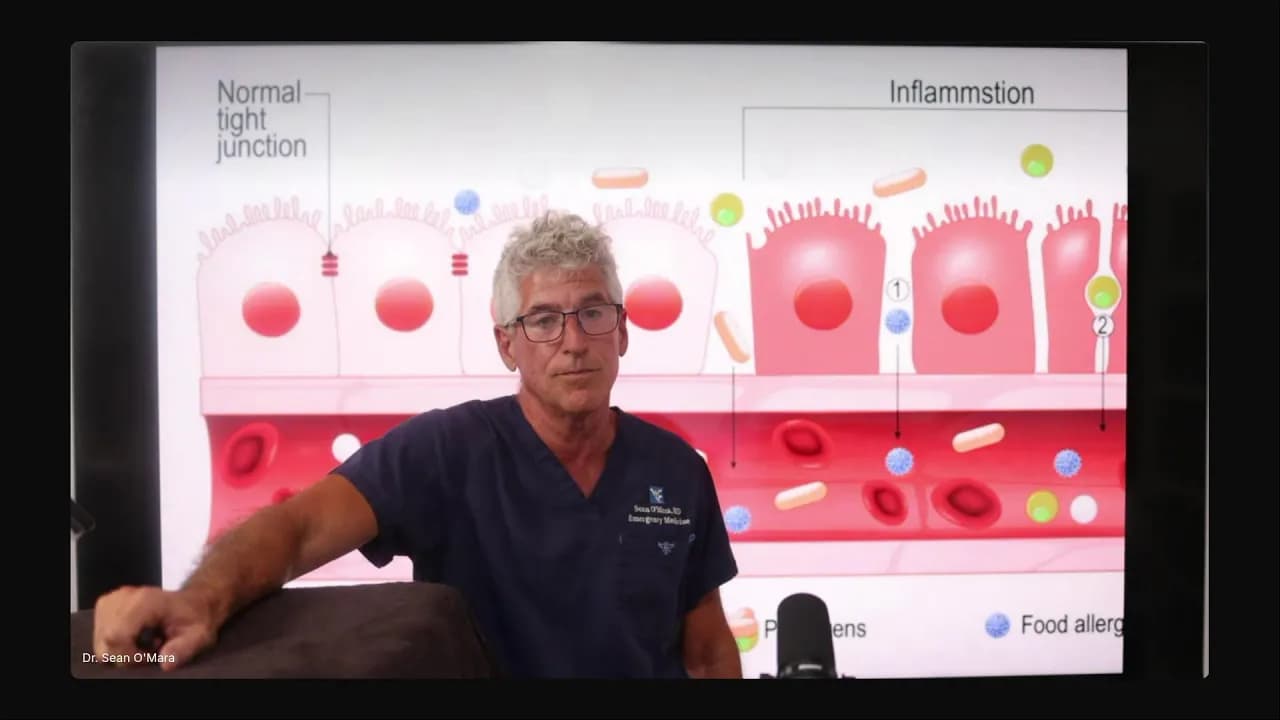
The researchers identified the gut microbiome as the key mediator. Low protein intake alters microbiome composition, which changes production of secondary bile acids. These bile acids activate two coordinated pathways—FXR and FGF21—simultaneously. Both pathways must be engaged for white-fat beiging and increased thermogenesis to occur.
Causality was tested via fecal microbiome transplants. Mice receiving microbiomes from humans with high beige-fat activity developed increased fat browning and thermogenesis; transplants from low-activity humans produced little effect.
Researchers isolated a minimal defined consortium of four human-derived bacterial strains (HU4). Administration of HU4 together with a low-protein diet in mice produced:
- Greater body-weight and fat loss
- Preservation of muscle mass
- Lower circulating triglycerides
- Lower blood glucose
Hormones such as FGF21 may additionally protect muscle during the metabolic shift.
The data suggest that the calorie-burning effect of protein restriction is microbiome-mediated and therefore potentially reproducible by targeted microbial interventions (probiotics or defined consortia) without requiring sustained low protein intake.
Current status: such therapies are not yet commercially available. In the interim, controlled personal experimentation remains informative.
Recommendations for anyone testing low-protein approaches:
- Use whole-food sources rather than a sugar-heavy diet
- Consider a low-protein ketogenic formulation; animal data show ketogenic diets increase mitochondrial size and abundance in brown fat, reduce lipid-droplet size, and raise energy expenditure
Broader microbiome-support practices:
- Time-restricted feeding (8-hour eating window, e.g., 10 a.m.–6 p.m.) to provide circadian cues
- Avoidance of ultra-processed foods, artificial sweeteners (sucralose, aspartame), and emulsifiers that disrupt the microbiome
- Regular inclusion of fermented foods: live-culture yogurt, sauerkraut, goat-milk kefir; consideration of natto for its nattokinase content
- Daily probiotic (two capsules of Winona Labs formulation) chosen for both strain quality and microplastic-binding capacity
Scientific progress often begins with results that contradict existing models. The observation that protein restriction can increase energy expenditure is one such result. Understanding the underlying mechanism—microbiome-driven dual-pathway activation leading to fat beiging—opens the possibility of future interventions that modulate human metabolism without replicating the original dietary trigger.
Keep Nick Norwitz in your library
Save the videos and channels worth coming back to, and find them again in one place.