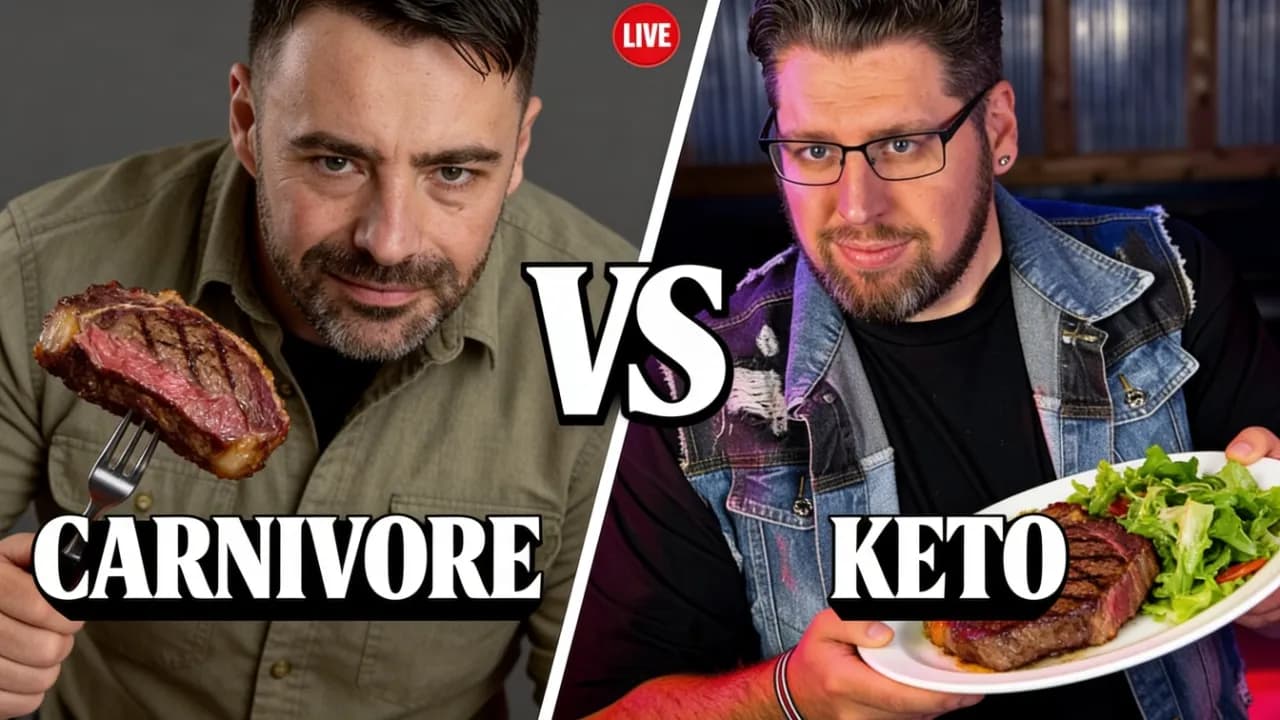
I Asked Dr. Berg: Keto, Carnivore or Vegan?
In a Nutshell
Dr. Berg shifted from vegan to a protein-based keto approach after animal protein resolved his chronic fatigue, arthritis, and prediabetes. He recommends carnivore diets for autoimmune and gut conditions, arguing they succeed because they eliminate ultra-processed carbs that drive addiction through rapid brain delivery. The core insight is that modern comfort and endless food choices create illness, while adding barriers—like requiring cooking—breaks addictive patterns that grocery aisles of wheat, soy, and corn products perpetuate.
These notes were generated by AI and may contain inaccuracies.
When discussing keto versus meat-eating diets, the topic remains divisive with warring tribes of adherents. The grocery store creates an illusion of diverse food options with approximately 40,000 food items, but the vast majority contain only three ingredients: wheat, soybeans, and corn.
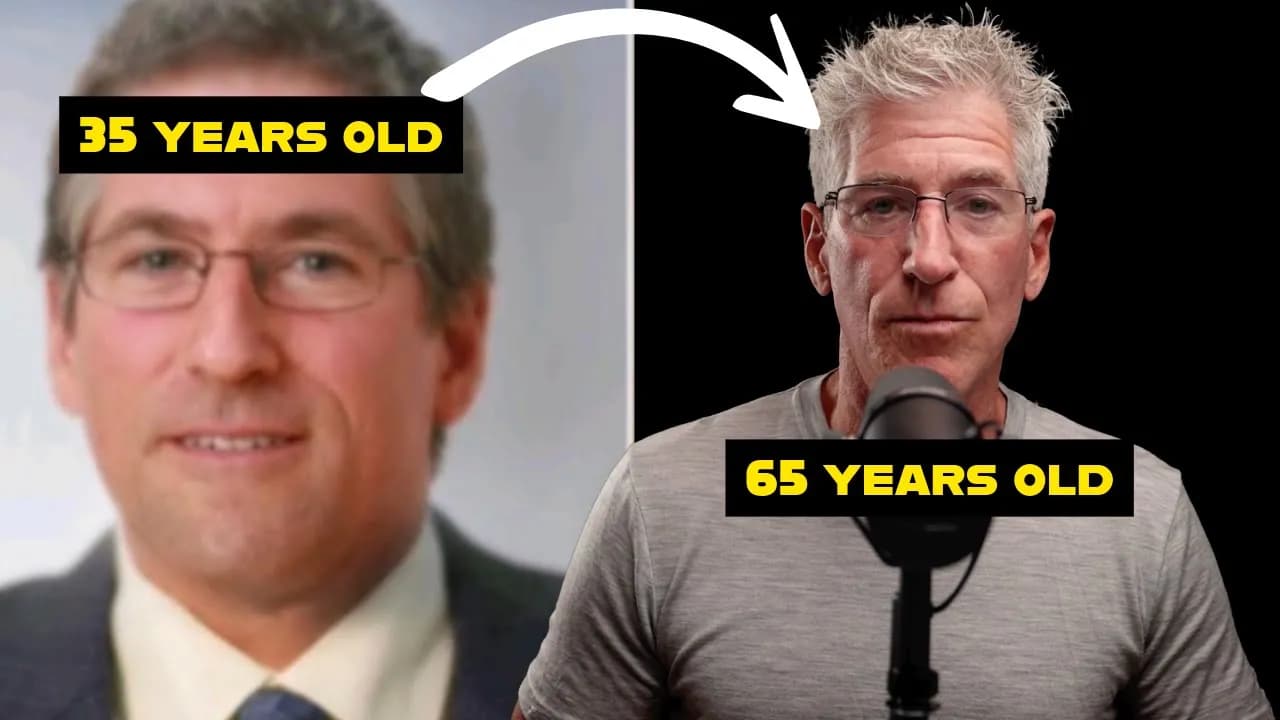
Dr. Eric Berg has over 15 million subscribers and 3.7 billion views across his health education content. He developed arthritis, prediabetes, chronic fatigue syndrome, and insomnia at age 28. His health transformation began when he started eating animal protein for breakfast, which eliminated his symptoms and made him feel as though "someone had taken a helmet off my head." He describes being "starving for high-quality protein with no carbohydrates."
Dr. Berg has transitioned from a vegan diet to a version of keto, describing himself as "half meat-eater and half vegetarian." He consumes cooked onions, sauerkraut, watercress, and very dark chocolate, maintaining very low carbohydrate intake. He emphasizes that "I always need animal protein, always as a base."
Dr. Berg recommends a meat-eating diet for specific conditions:
- Inflammatory bowel disease
- Autoimmune diseases
- Recovery from illness
The carnivore diet eliminates harmful foods beyond fiber, including emulsifiers, carbohydrates, and other potentially damaging substances.
There is currently a "huge trend towards a meat-eating diet" and red meat consumption. Dr. Berg argues that veganism will not return as a dominant trend because "it doesn't work" and "a meat-eating diet is effective." He states that "what succeeds is what will ultimately win" and that a meat-eating diet acts "like dynamite" in addressing major health problems including diabetes in a short timeframe.
Dr. Berg identifies addiction as a significant issue with keto diets. He describes constantly "bargaining with myself" and calculating allowances, such as "Oh, I can eat this many nuts today and then replace them with something else," ultimately being unable to control the addiction.
The grocery store's apparent diversity is illusory since most products derive from wheat, soybeans, and corn. Dr. Berg shares his personal experience with Doritos addiction, noting that after eating one chip, the taste fades, prompting continued consumption until finishing the entire bag. The common factor in fast food addiction is "the absence of protein, high-quality protein" - explaining why steak is never found in fast food.
Addiction relates to the speed at which substances reach the brain. Using smoking as an example, a single puff delivers nicotine to the brain in seconds, while nicotine patches take 30 minutes for absorption, preventing addiction. Ultra-processed foods are ground into powder form, allowing rapid brain delivery and increasing addiction potential. Real food requires digestion time, creating a natural barrier.
The solution involves adding time factors or barriers between individuals and addictive substances. Dr. Berg removed TikTok and Instagram from his phone despite maintaining large educational channels on these platforms. He notes that the carnivore diet's cooking requirement (such as preparing a steak) creates an obstacle that naturally reduces impulsive eating.
Artificial intelligence cannot think independently and defaults to the most common answer, which typically reflects traditional medical consensus. This leads to incorrect information when searching for carnivore diets. Conducting studies with numerous variables across different meal components makes standardization and blinding difficult. Dr. Berg recommends personal experimentation over relying on AI-generated consensus.
"The greater the consensus on something, the more wrong it is." Dr. Berg's approach involves identifying what the medical system promotes and pursuing the opposite direction. He notes that red meat is currently being "mutilated" with claims it causes cancer, despite ongoing lawsuits by vegetarian groups against the Department of Health and Human Services regarding new food pyramid changes.
During his healing journey, Dr. Berg discovered that nearly everything that healed him was the opposite of previous medical advice. He suggests medicine began with good intentions but has become problematic, noting that medical treatment is now the third leading cause of death.
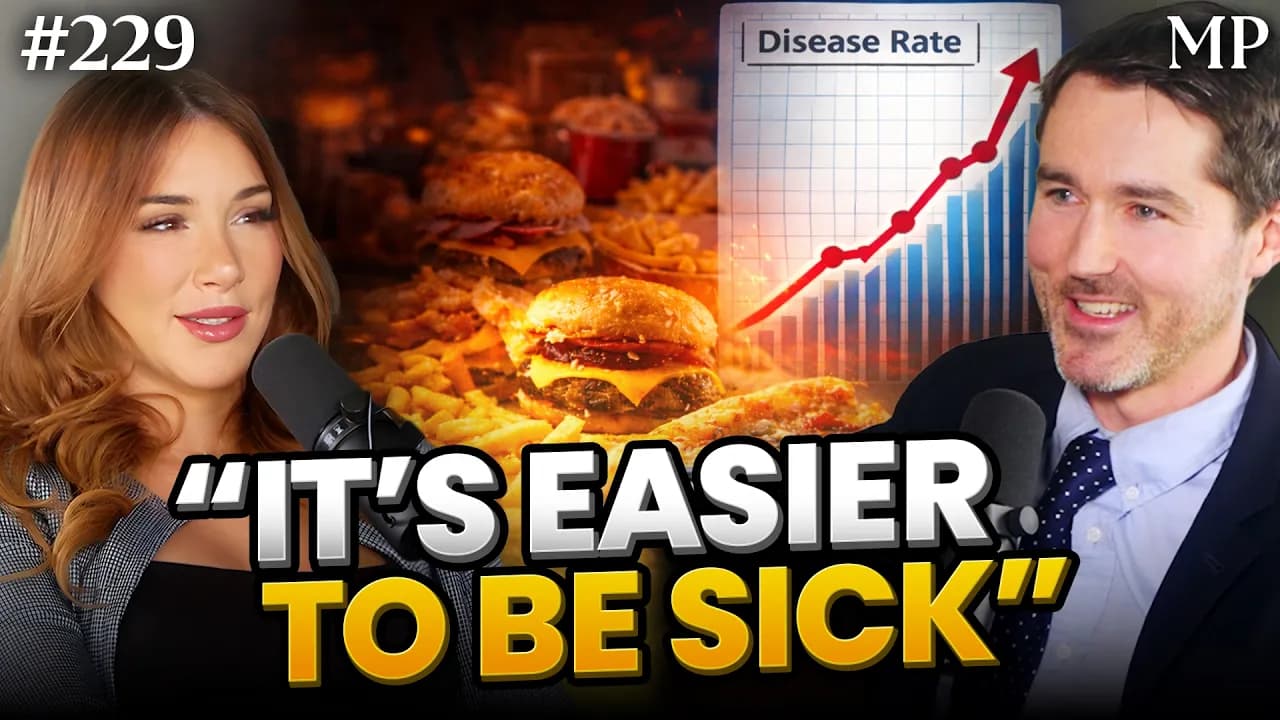
Dr. Berg's new book emphasizes that "more comfort, more choices, and less stress lead to more illness" because human bodies did not evolve for modern environments. Rather than suggesting a return to cave living, he recommends examining ancestral environmental contrasts and making changes to thrive while reducing addiction susceptibility.
Dr. Berg promotes the documentary "Healing Humanity: The Power of a Proper Human Diet," available for pre-order at healinghumanity.movie with an October 23 release date. The $10 pre-order provides lifetime access and helps reach millions who have lost hope by demonstrating viewership numbers to potential distributors like Netflix.
Keep HomeSteadHow in your library
Save the videos and channels worth coming back to, and find them again in one place.