I faked my phone's death
In a Nutshell
YouTuber fakes his phone's death to break addiction after realizing 90% of his time is spent refreshing analytics instead of creating. Going phoneless initially causes withdrawal and reading struggles, but leads to deeper focus, writing for hours, and becoming invested in books. The core takeaway: tech is engineered to bypass mental safeguards and turn users into passive consumers, while intentional disconnection restores agency and real engagement.
These notes were generated by AI and may contain inaccuracies.
The speaker describes having a common addiction that runs in the family, characterized as a way to connect with people and share stories. The behavior involves stepping outside, taking out the phone, and relaxing. It can be done anywhere, including in the bathroom in the morning or sneaking it out during dinner at a restaurant. The speaker mentions doing it around kids, recounting a conversation with his four-year-old daughter who asks why he always does it and whether it feels good. He responds affirmatively, and she expresses excitement about doing it when older. He sets a boundary of at least age 15. He admits to letting her try it a couple of times.
He demonstrates taking out his phone and performing a pull-to-refresh action, describing the sensation positively. He mentions trying to get addicted to cigarettes at age 36 as a hobby, contrasting this with attempting to learn piano, which he has pursued for five years without reaching proficiency in Clair de Lune to impress his wife's friends.
The speaker identifies as a YouTuber, previously a software developer, and states he has processed the career transition through the five stages of grief and reached acceptance. Being a YouTuber means the numbers control the individual. YouTube provides an app that displays real-time metrics of one's worth as a human being. Casinos are legally required to allow patrons to leave, but this app accompanies the user home. Refreshing causes numbers to change and new comments to appear, including one comparing his appearance to Rasputin.
Ten percent of the job involves creating content while ninety percent involves refreshing. He began losing his mind, staying up at 2 a.m. googling on his phone, including searching who Rasputin was. Rasputin is described as a Russian mystic close to the emperor. Additional details include surviving multiple assassination attempts involving poisoning, drowning, and shooting before being shot point blank three times in the head.
The speaker describes reaching a breaking point, going to the bathroom, plugging in clippers, and contemplating shaving his beard. He hit rock bottom, noting a strange comfort in knowing one cannot fail more than that point. He identified the phone as the starting point for change but anticipated family concern if he went phoneless, with his mother potentially bringing home-cooked meals.
He decided to fake his phone's death. Step one involved draining the battery by playing YouTube at maximum brightness on 5G until the device overheated. He notes it died doing what it loved. Step two consisted of texting friends and family from his wife's phone, announcing he lost his phone and requesting they send Instagram posts to his wife for verbal description during drives.
The first morning without the phone felt bizarre. He recounts a dream of waking, reaching for the phone, opening X, and scrolling, with his brain reacting positively. Upon waking, he questions whether the brain views the phone as a drug. Subsequent days proved difficult, with digestive health declining. He notes difficulty taking bathroom breaks without the phone, referencing content and caffeine as previously essential companions.
He attempted reading a book, selecting Gone Girl from the shelf as the only fiction available, since Winston Churchill's autobiography seemed unsuitable. Reading proved painful due to descriptive passages about oak trees, ruffling leaves, sweltering sun, and broad-shouldered characters. He questions the term broad shoulder, stating he has never observed a man and thought about shoulder width in that manner, calling it a lie writers tell each other.
Four days into phone-free life, with nothing else to do but read Gone Girl, the speaker became invested in the plot, questioning Amy's whereabouts and whether Nick killed her. He compares his investment to coverage of missing white girls on Nancy Grace. He attempted to promote reading to his wife, describing it as exercising the brain versus being a bystander to light waves on Instagram. She responds by noting he has been on the couch for six hours reading about events that never happened. He replies that book readers generate worlds while Instagram users receive light passively. She reminds him to fix her bike chain, which remains unfixed.
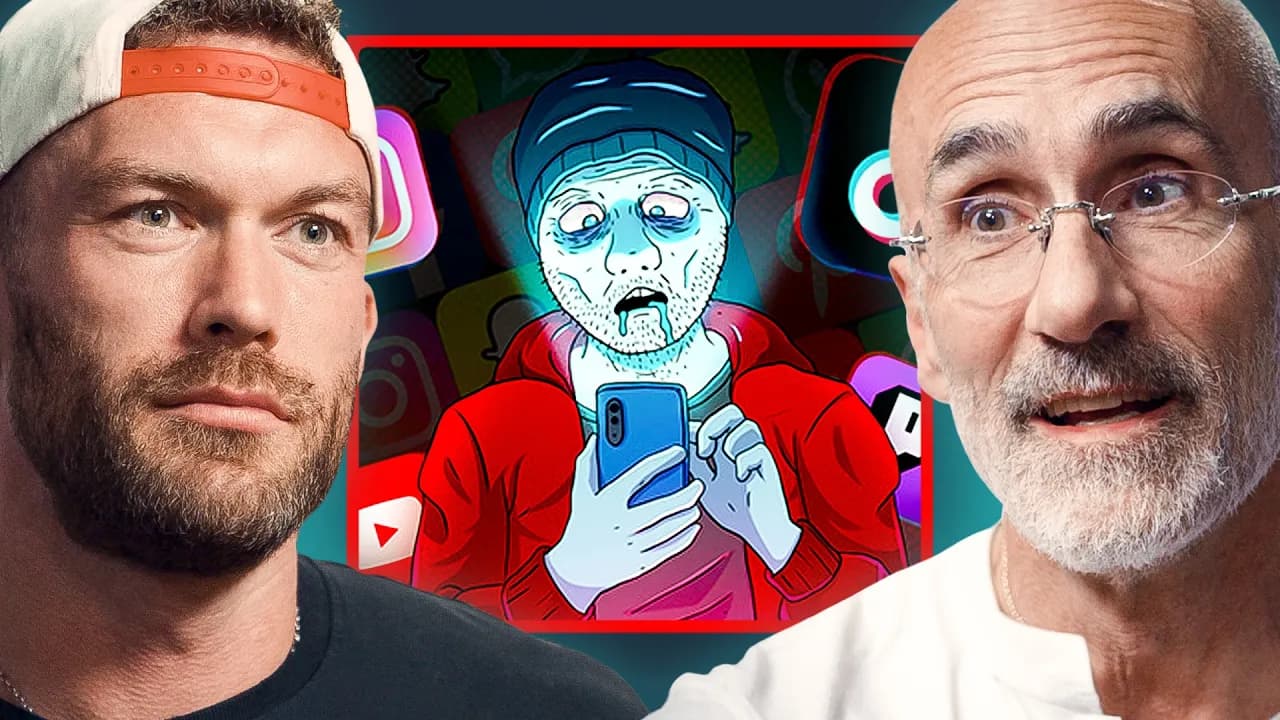
Without the phone's constant checking impulse, the speaker wrote from 8:30 p.m. to midnight, an unprecedented duration. He references a recent podcast, possibly Joe Rogan, discussing nostalgia for simpler 1990s life versus arguments that current quality of life and standard of living are higher due to technology, with people more informed and connected. One speaker concedes the point while the other describes tech addiction as an IV drip into the bloodstream, creating zombies, unlike cigarettes which explicitly warn on packaging.
The speaker mentions his daughter watching Bluey, Peppa Pig, and Doc McStuffins, repeatedly asking to watch when bored. He explains to her that watching makes one a bystander of physics and encourages pedaling a bicycle rather than riding as an Uber passenger. She responds by requesting a cigarette.
Big tech studies user movements to identify habits and designs products that bypass brain safeguards against addiction. In contrast, Proton Mail's team respects the human experience through encryption, ensuring only the user holds keys to read thoughts. The speaker uses Proton's full suite including email, Docs, Password Manager, Drive, and VPN, calling it one of the best software deals. Proton offers an easy switch feature to import old emails from Gmail and continue using the Gmail address without leaving Proton. He recommends signing up via the link in the description.
Keep Mo Bitar in your library
Save the videos and channels worth coming back to, and find them again in one place.