It Started: The US Debt Bomb Just Imploded
In a Nutshell
US bond yields have surged above 5%, making government borrowing far more expensive and creating a debt spiral that crowds out spending while pressuring stocks, housing, and corporate activity. Rising inflation, higher oil prices, and massive Treasury issuance are the key drivers pushing yields higher, with Japan reducing its appetite for US debt. Investors now face a choice between locking in risk-free 5% Treasury returns or staying exposed to volatile assets in an economy built on cheap money that is rapidly reversing.
These notes were generated by AI and may contain inaccuracies.
Bond yields have risen above 5% for the first time since the great financial crisis. Mortgage rates are skyrocketing while the stock market is falling. The US federal budget is on an unsustainable path. The government is now paying more than 5% interest to borrow money for the next 30 years. The economy was built on cheap money for the last 15 years, with homes becoming more expensive because people could borrow more and stocks rising because investors had nowhere else to put their money. This system is now reversing.
Bond yields represent the return investors demand for lending money to the government. The United States issues Treasury bonds when it needs money, offering a fixed interest rate with repayment of the original investment at the end of the term. This is generally viewed as a risk-free rate of return since the government is unlikely to default. Investors, pension funds, endowments, banks, and institutions purchase Treasury bonds as a safe place to store money.
Bond prices and bond yields move in opposite directions. When investors buy bonds, bond prices go up and yields go down. When investors sell bonds, bond prices fall and yields rise. For example, a bond costing $100 that pays $5 in profit yields a 5% return. If investors buy heavily, the price might rise to $125 for the same $5 profit, dropping the return to 4%. If demand is low, investors might pay only $80 for the same $5 profit, creating a 6.25% return.
When investors can earn a risk-free 5% return, they question why they should buy overpriced stocks, real estate, or lend to struggling companies unless the return is meaningfully higher than 5%. The United States is the largest borrower in the world. Higher yields make maintaining the national debt more expensive. When loans come due, the government must refinance at higher interest rates, which costs more money, requiring more borrowing and creating a cycle that continues until something snaps.
Inflation
Last week, CPI jumped 3.8% year-over-year, the highest reading since May of 2023. PPI, which measures wholesale inflation, rose 6% year-over-year, the fastest pace since 2022. This indicates inflation is returning faster and stronger than expected.
Oil Prices
Conflict in the Middle East caused oil prices to spike past $100 a barrel. With the Strait of Hormuz still not fully operational, oil prices are expected to go even higher. Higher oil prices affect shipping, trucking, manufacturing, food production, and other sectors throughout the economy.
Government Debt Issuance
The United States is running roughly $2 trillion a year in annual deficits. The Treasury must constantly issue new bonds to raise money for debts. Japan, the largest foreign holder of US Treasuries at 1.2 trillion, has less incentive to buy US debt because their own Treasury yields have reached their highest level ever in history.
1994 Great Bond Disaster
Yields were low and inflation was under control. The Federal Reserve started raising interest rates faster than expected, causing the bond market to collapse. The yield on a 30-year Treasury spiked from under 6% to above 8% in a matter of months. Mortgage rates increased 30%. Bond investors lost over a trillion dollars.
2023 Banking Crisis
The 10-year Treasury briefly passed 5%. Banks experienced massive unrealized losses from bonds purchased when rates were lower. The stock market fell over 10%, with some banking stocks falling as much as 50%.
According to Yahoo Finance, in each of the four times the 30-year yield neared or broke 5% over the last few years, stocks took a short-term hit but recovered once yields dropped back. Historically, 5% acted as a ceiling. Today, concerns exist that 5% may become the floor.
1. Government Debt Spiral
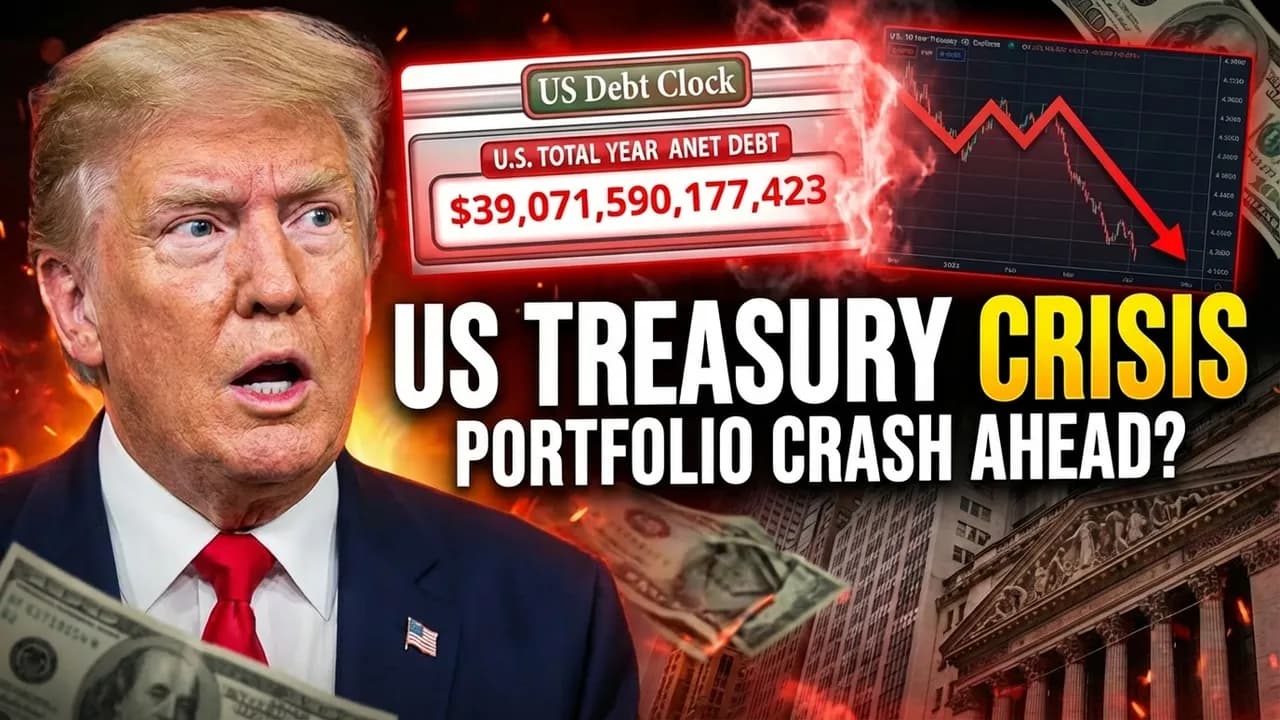
The United States already pays over a trillion dollars a year in interest on the national debt. Every 1% increase in yields adds tens of billions of dollars to interest payments. This crowds out other spending, widens the deficit, requires more borrowing, and increases interest rates further.
2. Stocks Under Pressure
When the government pays 5% risk-free, stocks become less appealing. The stock market has historically averaged 7% but with volatility. High-growth tech companies are hit hardest because higher rates make future earnings worth less compared to returns available today.
3. Housing Market Freeze
Anyone who bought in the last two years and locked in a rate above 6% is likely underwater on their mortgage when accounting for commissions and closing costs. Homeowners with 3% mortgages from years ago are reluctant to move and take on new mortgages at 6.5% to 7%. This keeps inventory locked up, maintains sticky prices, and makes it harder for first-time home buyers.
4. Corporate Slowdown
Higher borrowing costs cause companies to delay investment, pause hiring, and experience compressed earnings. The economy grinds to a standstill while recession odds increase with every basis point.
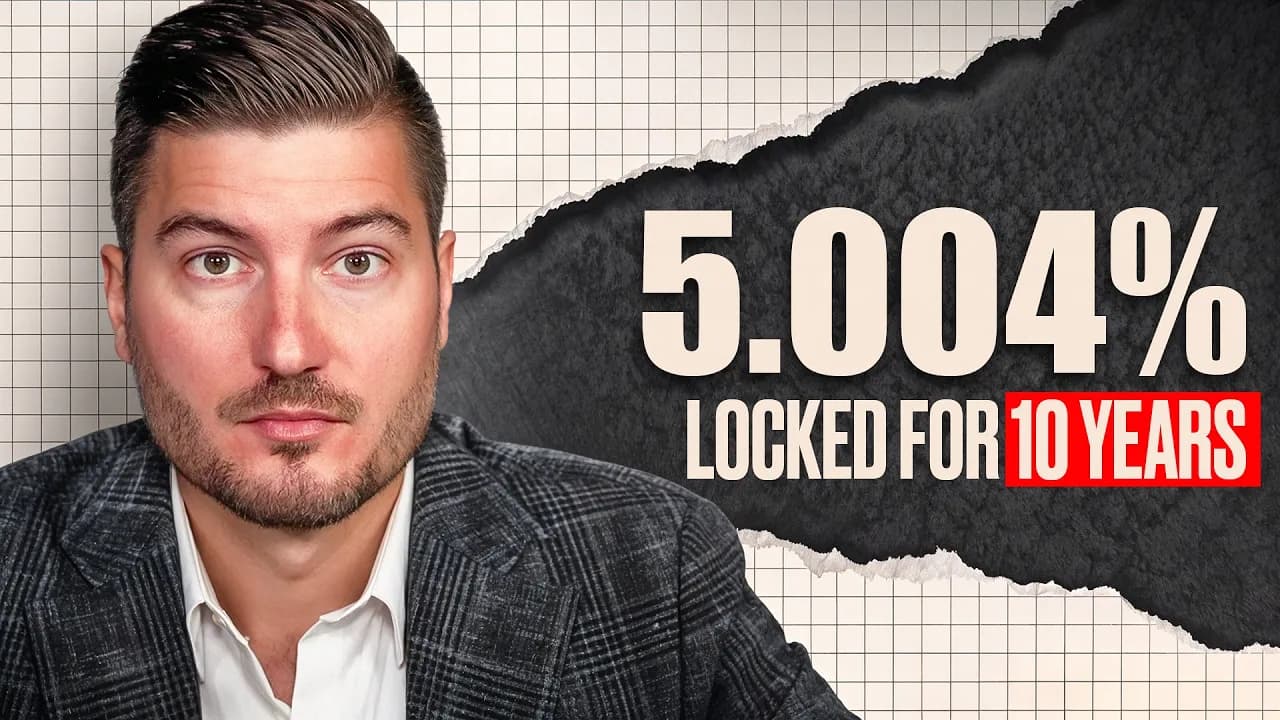
Treasuries now paying a risk-free 5% return may be appropriate for retirees, people saving short-term for a house, or those wanting liquidity on the sidelines. However, inflation, rising government debt, and money printing are expected to erode the 5% return over time. Long-term over 10 to 20 years, investors could earn significantly less than by investing in the stock market. Treasuries preserve capital and generate income but do not maximize wealth. Stocks have historically offered higher returns to compensate for additional risk.
Short-term treasuries such as three-month, six-month, or one-year bonds are closer to cash and valuable for flexibility. Long-term bonds such as 10-year or 30-year bonds can lose significant short-term value if yields continue rising.
UK yields hit the highest level since 1998. Japan's yield reached its highest level ever in history. The US 30-year yield is at levels not seen since 2007. Rate hikes are back on the table and the bond market is breaking. This situation differs from 2007 because it is slower and affects everything simultaneously.
Higher bond yields mean the government pays more to borrow, mortgages stay higher for longer, companies refinance at higher rates, stocks compete with guaranteed 5% Treasury returns, and consumers have less money after paying for credit cards, auto loans, insurance, and rising prices.
The most realistic outcome is a slow constriction of the financial system rather than a sudden crash. Either inflation subsides and yields come back down on their own, or yields keep rising and the Federal Reserve must step in. If the Fed lowers rates too soon, inflation could worsen. If they wait too long, higher rates could damage the economy.
Stay flexible. Do not take on too much leverage or debt. Do not assume high interest rates will disappear tomorrow. Do not put money needed in the short term into long-term bonds that could be volatile. Do not sell stocks simply because they are falling and fear sets in. Historically, moments of panic are when the market begins pricing in a solution.
Keep Graham Stephan in your library
Save the videos and channels worth coming back to, and find them again in one place.