Ready for the Next Crash? Here's Your Game Plan
In a Nutshell
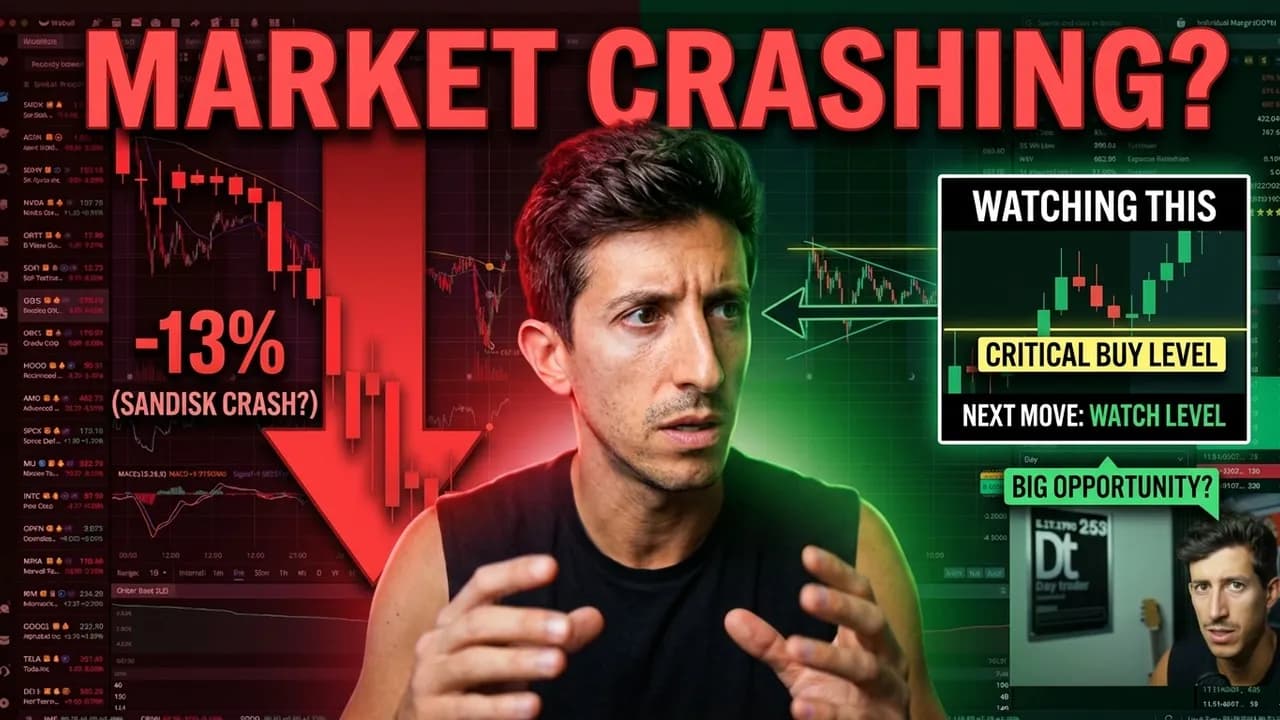
Markets are rallying on relief despite bearish catalysts like rising oil prices, Fed officials open to rate hikes, and major overseas market crashes in Japan and South Korea. At overbought levels (NASDAQ 729-730), avoid adding exposure or using leverage—trim profits instead to prepare for pullbacks. Focus on risk management and waiting for confirmation rather than fighting the trend.
These notes were generated by AI and may contain inaccuracies.
Happy Thursday. Markets are pushing higher despite bearish news. NASDAQ showed lower highs and lower lows during pre-market due to overseas developments, then rallied at the open. The team waited for confirmation rather than getting impulsive on the gap up. Markets are now consolidating and showing signs of rejection.
Fed Chair Kevin Walsh is reportedly prepared for a September rate hike if inflation rises. Inflation is set to rise for July. Oil prices are rising and represent the biggest contributor to inflation. The June inflation drop was attributed to a 60-day ceasefire, but conflict resumed on July 7th when Trump and Iran began attacking one another again, pushing oil prices back toward $100 a barrel.
Multiple Fed officials are open to raising rates, which is not bullish. Japan experienced a crash with 13.6 trillion yen wiped from the market as the Nikkei fell 1.3%. The peace deal announced by Trump has not been signed as scheduled and keeps getting pushed back. The Japanese market continues facing negative catalysts that were pressing issues a week or two ago.
South Korea's market plunged 4.6%. SKHY is down 10.4% and Samsung is down 6.3%, which is terrible for chip companies. Many investors in these markets are heavily leveraged.
NASDAQ tends to get rejected around the 729-730 or 720-730 range historically. At these elevated levels, it's important to assess whether adding to positions makes sense versus trimming based on downside potential. The red flags are presenting themselves, so caution is warranted without being scared to be invested, but without using leverage.
Having money on the sidelines allows welcoming pullbacks rather than fearing them. Markets rally and correct with high volatility given current conditions and upcoming earnings reports.
SanDisk was down significantly, recovered substantially, and is now incredibly overbought. If NASDAQ falls, SanDisk will likely fall 7-8% with it. When chip companies fall, they negatively influence SKHY through a domino effect. SKHY is currently down 3.6% on the day, and further declines of 5-6% would be problematic for leveraged traders in South Korea.
There is significant gap down potential based on current highs recovered from, with no good news supporting the move—it's described as a relief rally. Things can get worse before they get better.
There's nothing wrong with long-term investment in these companies, but at overbought levels, avoid overexposure and overleveraging. Trimming profits at overbought levels prepares for pullbacks and allows taking advantage of opportunities when they occur.
The importance of waiting for confirmation rather than fighting the trend was emphasized. Direction needs to become favorable before striking. Some traders went long when direction favored them, while others are waiting to short. The focus should be on managing and mitigating risk rather than always making money.
Shorting carries greater risk and is not designed for beginners.
Keep Ricky Gutierrez in your library
Save the videos and channels worth coming back to, and find them again in one place.