Stock Trading Ban Passes House Senate Vote Could Sink It
In a Nutshell
Congressional stock trading ban passed the House but faces likely Senate failure due to an attached voter ID requirement Democrats call a "poison pill." The bill excludes the president and administration officials while imposing strict limits on congressional members, spouses, and children trading individual stocks. Tesla fell 4.25% on razor-thin margins and stagnant revenue, while ServiceNow gained 5% despite being oversold.
These notes were generated by AI and may contain inaccuracies.
A congressional stock trading ban has passed the House and is now heading to the Senate. The bill bans congressional members from insider trading with details including spouses and kids being banned from buying individual stocks, public notice required before selling existing holdings, and penalties of at least $2,000 or 10% of the trade plus paying back any gains.
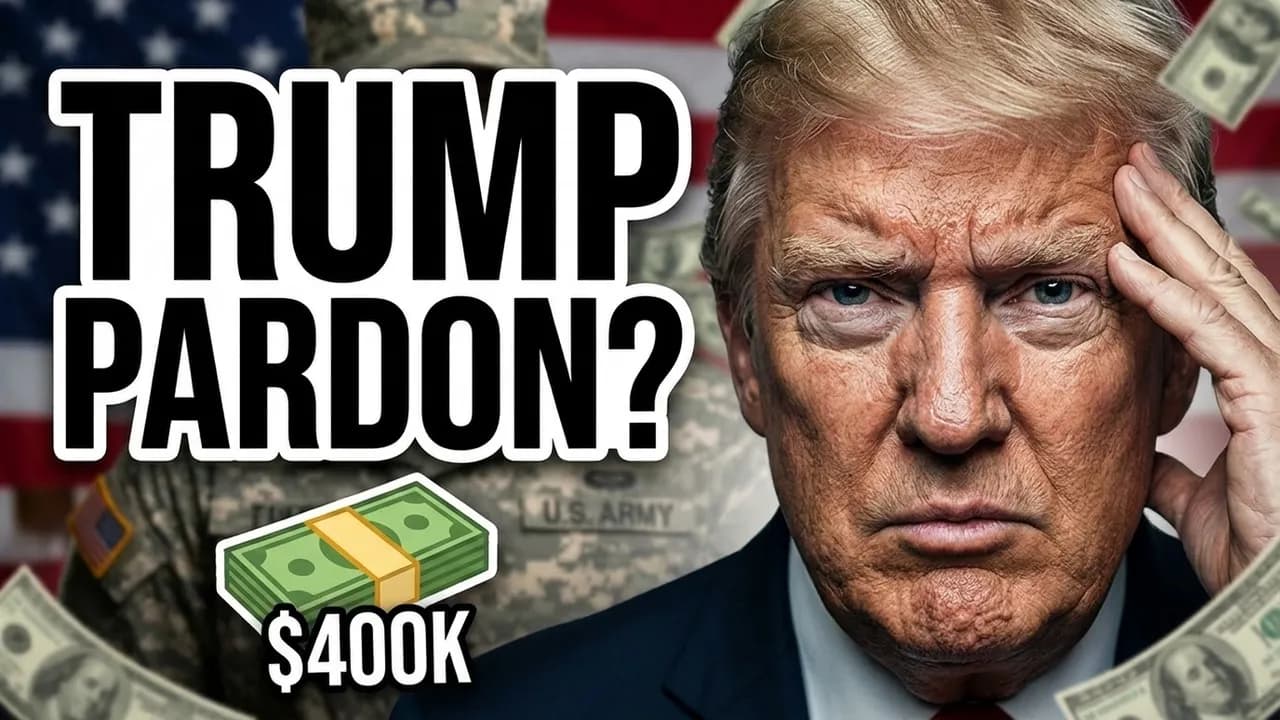
The president and administration officials are not covered under this bill. The speaker believes this is a significant omission, particularly during the current administration, citing examples of the president enriching himself while in office through cryptocurrency investments and company investments ahead of major announcements, which represents complete conflict of interest and insider trading.
The bill now requires 60 votes to pass in the Senate. Despite broad co-sponsorship, it passed mostly along party lines with some Democrats supporting it as a step forward but criticizing it for not going far enough. A voter ID requirement from the Save Act, mandating proof of citizenship for federal voter registration and photo ID, was attached to the bill.
Democrats are calling the voter ID requirement a "poison pill" that could sink the bill in the Senate. The speaker agrees with requiring federal-issued IDs for federal voter registration but notes this has nothing to do with the original congressional trading ban. The speaker argues Republicans campaigned on straight bills with no fluff, and this added provision represents the type of "funny business" they promised to avoid.
The speaker believes the bill was structured with the voter ID provision knowing Democrats would never support it, potentially to create headlines showing Democrats voting against the trading ban. Nancy Pelosi is mentioned as an example of politicians who want to enrich themselves through insider trading. The speaker states all politicians are corrupt, including Trump, and that this represents the "swamp" of corruption.
The speaker expresses frustration that politicians divide Americans against each other when they just want to live good lives. The speaker believes politicians are the problem, not the American people, and that politicians should leave citizens alone rather than taking their money.
Four companies reported earnings today: IBM gapped up then gave back gains, Google gapped up then gave back gains after releasing capex spending plans, and Tesla sold off 4.25% further. ServiceNow pushed up 5% and is noted as being incredibly oversold but previously bearish.
Tesla is trading at over 300 times earnings with razor thin margins around 1%. The company has not grown revenue since 2023 despite strong delivery numbers. Government subsidies and the $7,500 tax credit no longer exist, forcing Tesla to lower prices and become more competitive, which has eaten into margins. The speaker believes Tesla needs Optimus robot and robo taxi success, otherwise the market will eventually demand results that are not currently present.
Tomorrow's earnings include Intel, Nokia, and American Airlines. The speaker plans to livestream some coverage and will discuss these in the live trading session at market open.
The speaker trades live every morning at market open. Access requires a one-time payment for lifetime access with the signup link in the description. A preview of previous sessions is available before signing up.
Keep Ricky Gutierrez in your library
Save the videos and channels worth coming back to, and find them again in one place.