Stocks Are About To Take Off, Here’s why
In a Nutshell
Markets have surged 12-17% since the March 30th dip amid global tensions like war and oil spikes, with sentiment indicators at extreme fear signaling a bullish turnaround; the speaker's portfolio of high-quality stocks (Google +105%, ASML +101%, Amazon +62%) validates buying dips. Tom Lee predicts strong gains ahead as retail chases returns and downside risks fade, bolstered by robust US economy, Moody's solid earnings, Meta's innovative employee data capture for AI, Google's cost-effective TPU chips challenging Nvidia, despite Anthropic's Mythos tool being easily hacked. Investors should lean into quality tech amid detachment from bad news and historical crisis recoveries.
These notes were generated by AI and may contain inaccuracies.
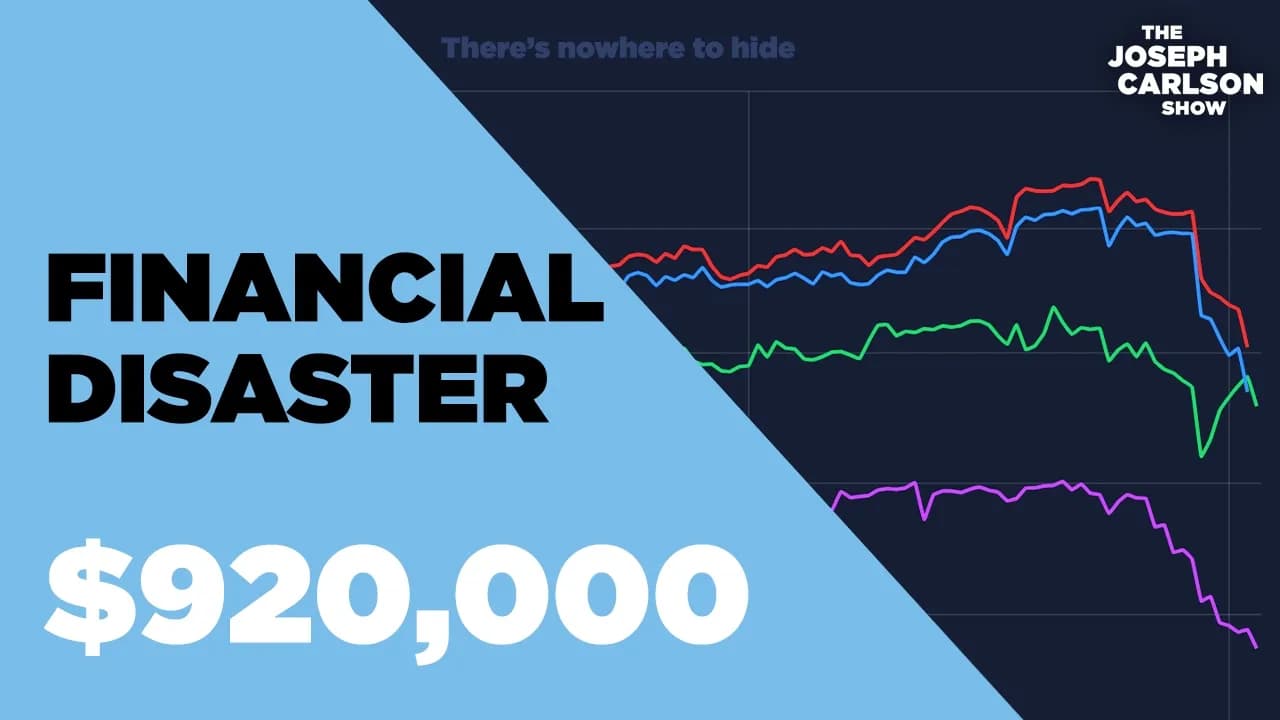
After a rough start to the year, markets are recovering. Portfolio has zigged and zagged but is back to start. War ongoing, Iran firing on ships and seizing vessels, yet market ignores it. Nasdaq up 1.3%, S&P 500 up almost 1%, Dow racing back up. Investors complacent or oblivious to world events despite war coverage.
Discussing investor detachment from news. Tom Lee on why market will race up rest of year, predicting best months. Moody's earnings results. Google unveils AI chip competing with Nvidia. Meta capturing employee mouse movements and keystrokes for AI training. Fail of the week: Anthropic's Mythos hacked by Discord users.
NASDAQ 100 up 17% since March 30th in 3 weeks. S&P 500 up 12% since March 30th dip. March 30th was one of best times to buy stocks, data supports it. Bullish during dip, especially peak of it.
Increased negative comments during dip: fear of war, Trump destroying market, oil spikes. 9% dip but most negative sentiment ever on channel. When everyone thinks it worsens, turnaround starts. CNN Fear & Greed Index at extreme fear on March 30th, now major indices up 18% weeks later.
Wall Street Journal: US economy weathers crises quickly with Washington help. Massive US oil/gas output shields from 1970s shocks. Using strategic oil reserves to lower gas prices. Pattern of buying dips works: COVID pandemic, last year's tariff turmoil, any past crisis/war.
'Trump chickens out' or 'taco trade': anchoring negotiation high then compromising moderately. Investors expect this pattern. Skeptics say markets detached, risky, driven by yolo strategies, momentum, algorithms, oblivious to bad news.
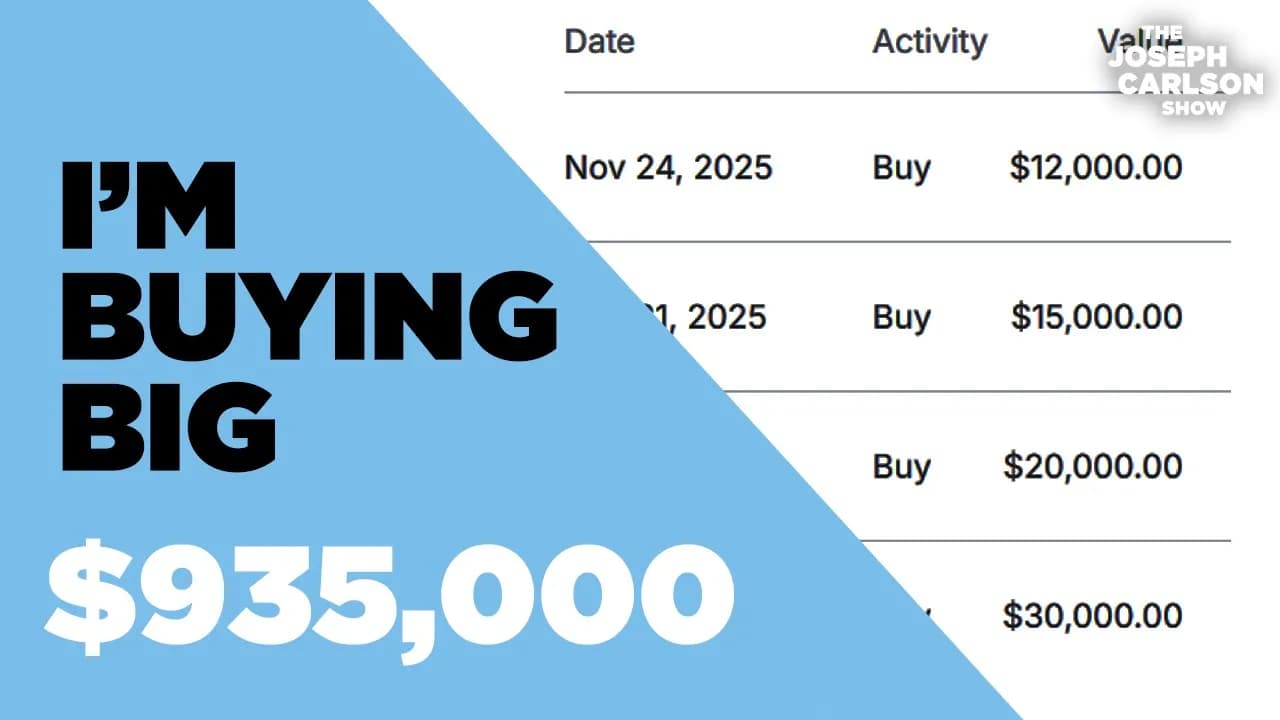
Always buy high-quality companies on fear, leaning in more on dips. Strategy working. Google top position, up $102,000 (105%). Mastercard 12% position, up 12%. Meta down $4,000 (2.37%), strong buy, just getting started. Amazon up 23% past year ($62,000 gain, 62%), heading above $300/share. ASML up $63,000 (101%). S&P Global up $20,000 (19%). Netflix up $50,000 (72%), fell 13% post-earnings, expects full recovery. Microsoft in green long-term, fantastic buy, will compound above market. Costco up 133% plus special dividends, too expensive to buy, holding. Smaller: Moody's up 20%, Intuit down 11% (low valuation, recovery but time needed vs AI), Texas Roadhouse great, Duolingo down 55% ($22,000), held at $100/share base, remain bullish.
Individual investors cautious pre-war, sold software stocks (Mag 7 down), record inflows to software but not overall market. Software recovered little, still down YTD. Didn't buy big tech (QQQ outperformed S&P). Hedge funds bought dip later, now downside risks removed, adding risk. Retail now chasing returns post-recovery. Surprised retail didn't buy dip unlike tariffs. Policy puzzlement, fear of gas spikes, recession, economists warning oil to $200/barrel.
Opposite view: avoid software/AI, not war/oil. Retail chasing rally, consumer stronger, earnings estimates higher, US position strengthened by supply chain exposures. World investors buy US as growth index. Handful of top companies in US: one Amazon, one Meta.
Decision-grade data for large decisions, reliable unlike hallucinating dashboards. No AI disruption in analytics; no changes to expectations. Investors realizing AI disruption less severe.
Installing software on US employee computers to capture mouse movements, clicks, keystrokes, screenshots for AI agents performing tasks autonomously. Improves replication of human interactions like dropdowns, shortcuts. "This is where all Meta employees can help our models get better simply by doing their daily work."
Tracking not new (firewalls, activity), but depth is: every movement. Data not for performance reviews, but doubtful amid layoffs (8,000 recently). Self-filtering: employees quit voluntarily, aiding layoffs without payouts. Unique proprietary dataset of human-computer interaction, advantages Meta regardless.
Unveiling TPU v8 and TPU AI for AI training/inference, with Google DeepMind. For AI agents reasoning, multi-step workflows. Customized silicon for power efficiency/performance. Like Amazon/AMD chips, focus on price-performance. Specialized for inference, high memory bandwidth, not general GPUs. Attack Nvidia margins on inference by offering cost-effective alternatives. Nvidia king of GPUs, but hyperscalers incentivized to cut costs. 'Good enough' chips shift workloads.
Mythos can identify/exploit vulnerabilities in every major OS/web browser. Limited to select providers via Project Glasswing. Hacked by private Discord channel guessing URL from naming convention. Group just plays with it, not havoc. Hyped dangers/security, but accessible via simple guess during media tour.
Keep Joseph Carlson in your library
Save the videos and channels worth coming back to, and find them again in one place.