The End Of The Petro-Dollar
In a Nutshell
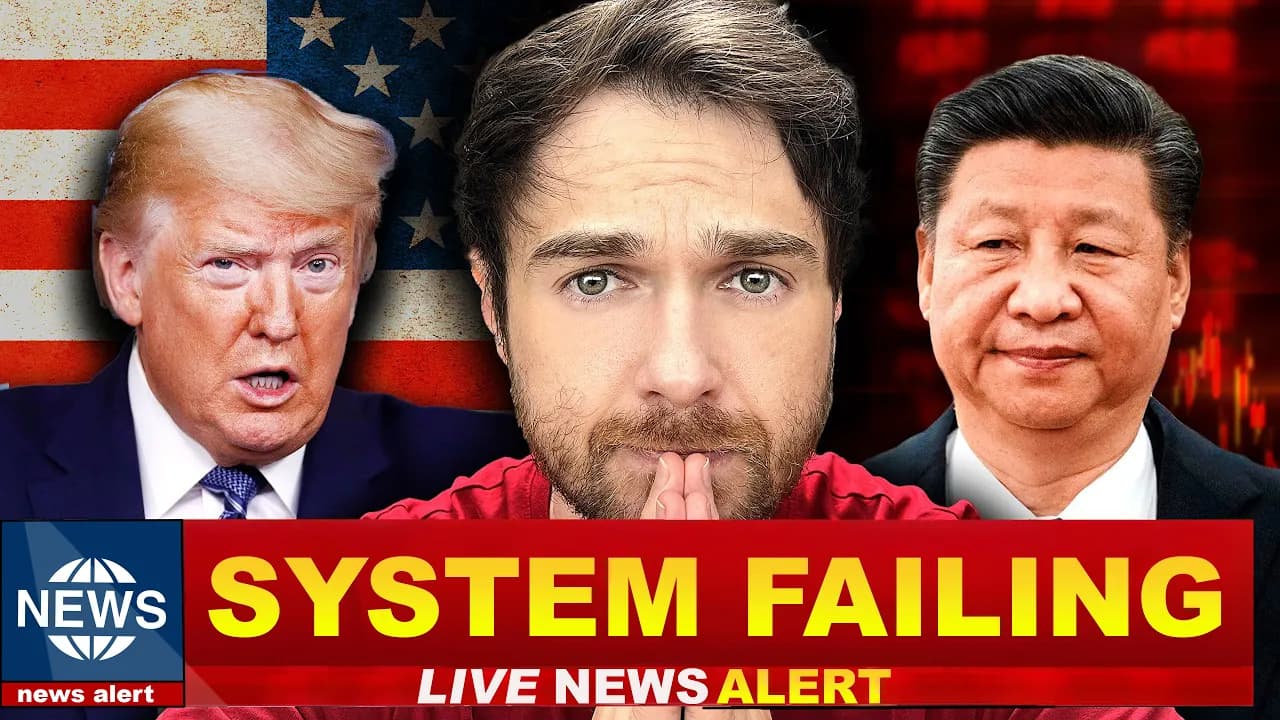
UAE's withdrawal from OPEC amid the Iran war, which closed the Strait of Hormuz, threatens the 50-year petro-dollar system—originally a secret 1974 US-Saudi deal pricing oil exclusively in dollars recycled into Treasuries—exposing Gulf states' leverage via $2T+ in US assets and demands for dollar swap lines to avert sales. China gains as UAE inks $100B+ deals and pushes yuan oil pricing, accelerating dollar reserve decline (from 72% to ~50% of global FX) toward gold and yuan alternatives, while US missile shortages highlight industrial weaknesses. Potential outcomes include oil spikes to $170/barrel, global inflation from disrupted fuel/fertilizer, recession, and market corrections akin to 2000/2021 bubbles.
These notes were generated by AI and may contain inaccuracies.
United Arab Emirates, founding member of OPEC since 1967, withdrawing from OPEC and OPEC+ effective May 1st. Energy minister states it eases meeting changing demand. Major blow to OPEC during Iran war triggering global energy crisis. Markets react to supply shock: gas at pump at record high, paper price for barrel of oil over $100.
For first time in over 50 years, US threatened by close ally UAE. Days before announcement, UAE warned of using yuan or other currencies if low on dollars amid Iran war. Threat: "you guys started this war, and if we run short on dollars, we're going to start pricing our oil in yuan and potentially start selling off your assets."
US response: "Please don't do that." Scott Bessent, Treasury Secretary, offers dollar swap lines to "prevent the disorderly sale of US assets."
Mr. Secretary, can you talk about this request and whether or not uh you expect to support it? >> Many of our Gulf allies have requested swap lines. uh you would have just read about the UAE and swap lines whether it's from the Federal Reserve or the Treasury are to maintain order the in the dollar funding markets and to prevent the sale of the uh US assets uh in in a uh disorderly way. <<
GCC collectively holds over $2 trillion in US assets. US admits Gulf States hold enough to destabilize markets if sold. US provides cheap dollars via swap lines to prevent sales.
Distraction: President eyes taking over Cuba "almost immediately."
We'll have one of our big maybe the USS Abraham Lincoln aircraft carrier, the biggest in the world. We'll have that come in stop about a 100 yards offshore and they'll say, "Thank you very much. We give up."
Story about power and leverage, affecting gas prices, gold, Bitcoin, US dollar, next phase of global monetary system.
Hi, my name is Andre Jick.
To understand, go back 50 years to financial system built in secret now coming apart.
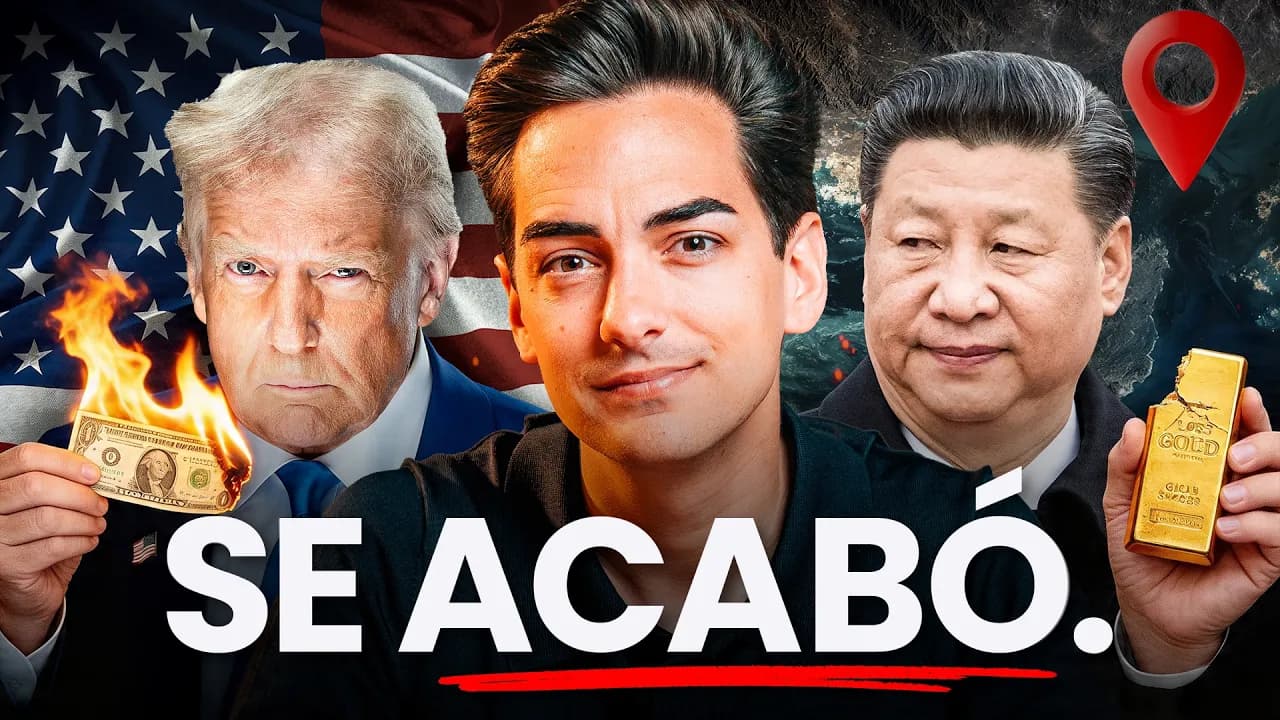
1971: President Nixon closes gold window. US dollar no longer backed by gold, now fiat paper.
Oil nations question selling finite resource for infinitely printable currency.
1974: Secretary of State Henry Kissinger flies to Saudi Arabia, makes secret deal (revealed by Bloomberg FOIA in 2016): Saudi Arabia prices oil exclusively in US dollars, recycles dollars into US Treasury bonds (lending back to US). In return, US provides military protection and weapons.
Petro-dollar system: Creates structural global demand for dollars—every country needs dollars for oil. Dollar backed by oil, enforced by OPEC managing supply to keep dollar pricing intact.
Now 2026, dollar as oil reserve currency challenged. Economist Luke Gromen (corrected from Grman/Grumman/Growman): OPEC only needed where reserve currency lacks anchor. In gold-backed world, no cartel needed. Fiat dollar backed by trust requires OPEC to keep oil prices stable/high.
Oil producers may prefer competitors offering gold-backed money for finite resources. UAE testing this.
Petro-dollar agreement expired 2024 after 50 years. Saudi Arabia let it expire. Video made June 10th, 2024; media called misinformation, but it happened.
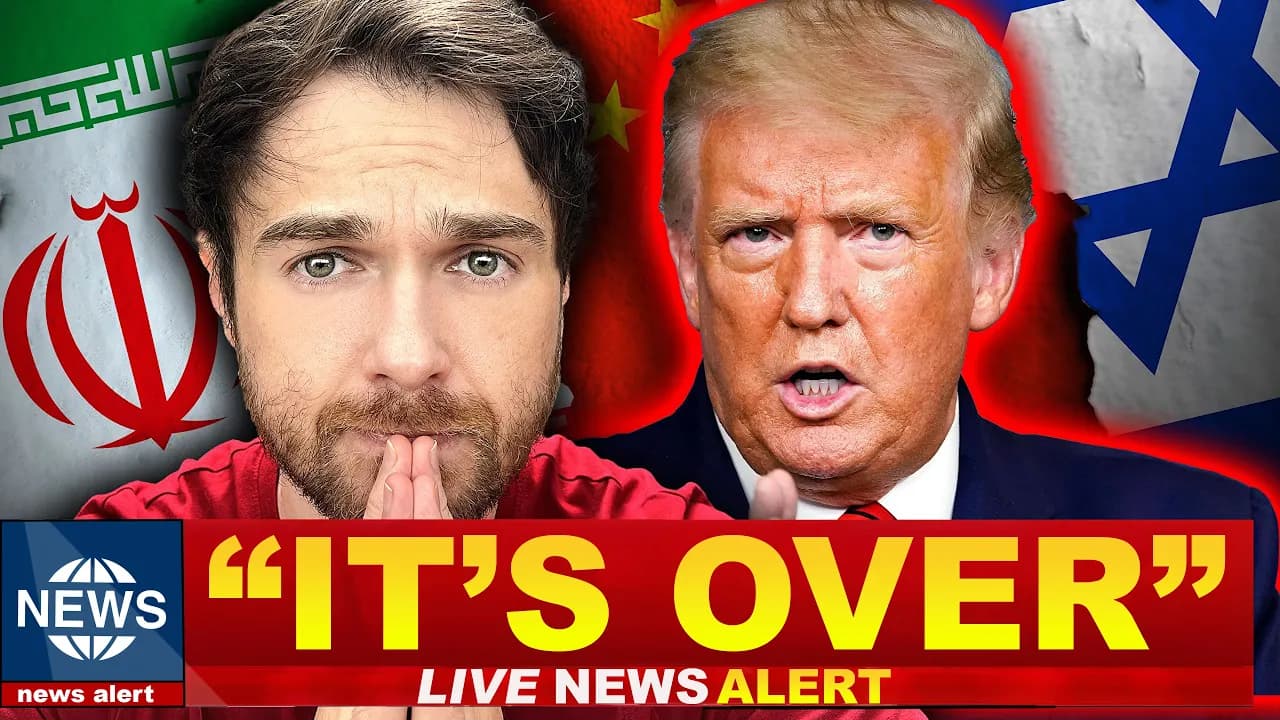
Iran war started February 28th this year, crisis for petro-dollar countries.
Strait of Hormuz: 20% of world oil/gas supply (Saudi Arabia, UAE, Kuwait, Qatar, Iraq). Iran closed it, halting Gulf exports.
Saudi Arabia: Needed $100/barrel pre-war for government spending, exporting 7 million barrels/day. Post-closure, needs $170/barrel for same revenue. Paper price suppressed via futures market, so bleeding money. External borrowing over $100 billion in trailing four quarters—record high.
World's biggest oil exporter borrowing dollars to survive. Currencies pegged to dollar, need dollar reserves buffer. Reserves draining threatens monetary system. Economy shrinking (oil correlates perfectly with growth).
War started by ally US. Gulf response: Demand dollars via swap lines, threaten selling US treasuries/stocks.
China winning.
Sponsor: Ground News app shows same story from hundreds of outlets, bias labels (left/right/center). Example oil story: Left frames as "crisis" (fears of escalation); right as US exports "soaring to record highs"; center: oil up 7% no spin. Use ground.news/jick for 40% off Vantage plan.
China timeline:
- April 14th: UAE crown prince meets Xi Jinping.
- April 15th: UAE-China sign 24 trade/investment deals, trade over $100 billion.
- April 19th: WSJ publishes yuan threat.
- April 22nd: Scott Bessent agrees to swap line before Senate.
- April 28th: UAE leaves OPEC.
UAE locked China deals first, leveraged for US concessions.
Trump on CNBC: UAE "good country and good ally," likely gets swap line.
Is there some type of swap possible um to currency swap with the UAE to help if they need it? ... >> It is, but it's been a good country. has been a good ally of ours. You know, they're very good for this country. So, yeah, if I could help them, I would. <<
Scott Bessent endorses swap lines to maintain dollar funding/order, prevent disorderly US asset sales—admits Gulf leverage.
Bessent calls China "unreliable trading partner" (rare earths refusal).
Luke Gromen: US demands China speed missile production against itself and buy bonds to finance it.
China controls 60% global rare earth mining/processing (for US missiles/jets). US depleted missile stockpiles, can't replace for 5-6 years.
CNN: US military significantly depleted stockpile of key missiles during Iran war... shooting at rate exceeding production.
US can't fight war with paper assets; relied on printing/recycling dollars instead of making things. China built infrastructure (mines, ports, rare earths, CIPS alongside SWIFT).
Speeds dollar decline. 2001: 72% global FX reserves in dollars. Now 50s%—not monopoly. Replacing: gold (bigger central bank share than treasuries, fastest buying pace in 50 years).
Trust lost: US froze Russia's $300 billion reserves 2022. Central banks rotate to gold.
China builds yuan system: Clearing in London, Dubai, Singapore, Hong Kong, Switzerland. BHP shifts commodity sales to yuan. Iran sells oil to China in yuan years; India/Russia experimenting.
Investors demand higher Treasury yields (10-year up). At 4.4%, bond market influences policy:
- March 22nd: Yields to 4.4% after Trump bomb threat; backs off.
- March 24th: Hits 4.4%, Trump peace deal.
- March 25th: Iran denies, yields higher.
- March 26th: Hits 4.4%, Trump pauses strikes.
Above 4.4%, Treasury market dysfunctions, bad for economy.
Energy crisis: Swap lines to Asia stabilize short-term but turbocharge commodity inflation if Hormuz closed—bonds revolt.
Iran fights economic war.
Two bad endings:
- Iran collapses: Oil offline long-term, spike triggers recession into weak bond markets.
- Supply chain collapses first: Global inflation spike, recession.
US plan: Ceasefire, blockade to submission. But Russia supplies Iran, China buys oil; keep Hormuz closed.
Inflation: Fuel, fertilizer (Hormuz 1/3 world fertilizer, feeds 3.5 billion people). Clearing mines: 6 months.
Luke Gromen's FFTT adjusted Buffett metric (market cap / GDP minus federal debt): Above 100% three times in 70 years (2000 dot-com, 2021 everything bubble, now). Prior drops: 25-47%, recovery 2-13 years. Good for gold vs stocks.
Markets price perfection: AI boom, quick war end. Complacent/optimistic. Speaker cautious, holds more cash but invested. Premium membership for personal portfolio.
Premium: Smaller updates (e.g., Fed meetings—predicted accurately), personal investments, early access, extra videos. Link below.
Smash like, subscribe.
Keep Andrei Jikh in your library
Save the videos and channels worth coming back to, and find them again in one place.