THE FED JUST RESET THE MARKET - Stocks Hit All-Time-High, Interest Rates Skyrocket!
In a Nutshell
The market is pricing in a possible Fed rate hike for the first time in over three years, pushing borrowing costs sharply higher across mortgages, credit cards, and corporate debt. Rising rates are squeezing variable-rate borrowers and the government’s $40 trillion debt load, while cash holders and those locked into low-rate mortgages benefit from higher yields and inflation-eroding debt. Despite the repricing, long-term stock and housing prices have historically continued rising through rate-hike cycles, suggesting the economy—not the rate changes themselves—remains the dominant driver.
These notes were generated by AI and may contain inaccuracies.
The market is pricing in the chance of an upcoming rate hike for the first time in more than 3 years. This means the entire financial system is about to reprice. Mortgage rates have already begun going higher. Credit card debt becomes more expensive. Every single borrower gets squeezed. The only people coming out ahead are those sitting in cash getting paid higher interest.
The Federal Reserve raises interest rates to help combat inflation. The higher those rates go, the more expensive it is to borrow. The more expensive it is to borrow, the less people spend, and therefore the slower prices rise. In very small doses, inflation is actually encouraged, and when it's under control, it could actually be a good thing. The United States has really done their best to maintain a safe, stable, and consistent inflation rate of two to three percent over the last 25 years.
Inflation is beginning to grow out of control. Oil prices recently surpassed $100 a barrel. Other countries have begun dumping US treasuries, pushing the long-term rates higher. With inflation now returning in a way that almost no one thought was possible a year ago, the Federal Reserve is forced to step in, threaten higher interest rates, and almost crash the market in a way to rebuild stability.
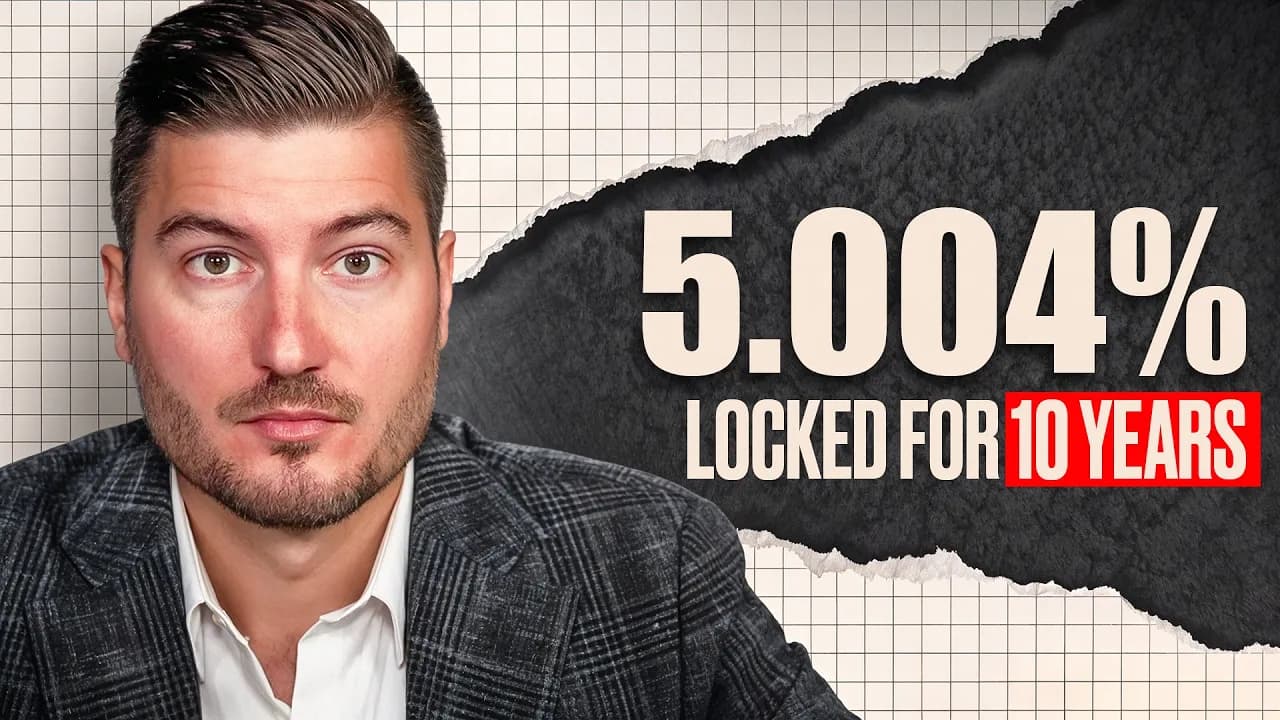
As interest rates increase, stock prices generally decrease because the higher cost of borrowing eats away at the value of future cash flow. Stock market valuations go down. The higher interest rates go, the more bond yields increase and the less appealing everything else looks in comparison. Why take the risk in the stock market to maybe make 7% when you could get a guaranteed return from the government at 5% with pretty much no risk whatsoever.
A study broke down investors into two categories. One considered the choice between a risk-free return at 5% or a risky return at 10%. The second group made the choice between a risk-free return of 1% or a risky return of 6%. In both scenarios, the risky investment pays the exact same 5% more, but the results were vastly different. Low risk-free returns cause significantly more risk-taking for higher yielding investments. When risky investments offer substantially more compared to the risk-free rate of return, investors are more likely to go for it. The difference between earning 5% risk-free and 10% with a risk is double. But going from 1% to a 6% return is a five times difference. When you view this in proportion, it makes the riskier investments seem a lot better than they actually are, which drives up the price.
Since the 1960s throughout rate increases and decreases, the stock market has continued to trend higher, regardless of what the Fed does. Since 2017, even as the Federal Reserve increased interest rates, the market defied the odds and just kept going higher. When looking at real rates, which is the current interest rate minus inflation, higher real rates could actually be positive for stock prices, causing them to increase. Higher interest rates usually coincide with a really strong economy and a lot of expansion. The negative outcomes are usually the result of a recession or a similar economic shock, but it's not the interest rate increases themselves.
76% of the time, stocks increase by an average of 6.2% in the next 6 to 12 months. In the following 12 months, they increase by an average of 14.3% 81% of the time. If there is a stock market decline, history shows that it's usually about 7 to 12% give or take.
Mortgage rates have nearly tripled, going from 2.8% at their low to as high as 7%. These are some of the highest mortgage rates seen since the mid 2000s and the highest rates in the last year. A $300,000 loan would cost $1,265 a month at a 3% interest rate in 2021, but today the exact same loan would cost $1,900 a month at a 6.5% interest rate. The higher interest rates go, the more expensive it is to finance a property, the more buyers get priced out and the less likely sellers are to move. Home sales are slowing due to rising costs. However, home prices are not coming down. Rising interest rates are usually associated with a fairly strong and resilient economy, meaning home prices in those markets continue going higher.
There have only ever been a handful of times in history that mortgage rates went up and housing prices went down. Even with a lag effect, the correlation between the two is almost non-existent. Inflation and economic conditions affect the housing market significantly more than interest rates do. Higher interest rates do slow housing activity, but it doesn't crush prices. For sellers and homeowners, rising interest rates makes homes more expensive to purchase, but it doesn't decline in value proportionally. For buyers, purchasing a property this year is going to cost more. Mortgage rates aren't directly tied to what the Federal Reserve does, but there is some sort of an impact, meaning payments are probably going higher.
As of today, the market's pricing in more than a 40% chance that on September 16th, there will be a 25 basis point rate hike. Several Federal Reserve Board members have already voted in favor of the increase. From their perspective, inflation isn't going away, employment's still pretty strong, and the market's frothy, so it could handle a rate increase right now. If asset prices fall in the process, then so be it. The market's already begun implementing higher interest rates today without the Federal Reserve even voting on anything.
The Federal Reserve only controls short-term borrowing, or basically what banks charge other banks anytime they lend each other money. Longer-term rates, including those that impact mortgages, corporate borrowing, the general economy, and stock market valuations, are largely determined by the bond market with supply and demand. Those interest rates have been going up significantly over these last few weeks. Other countries have begun selling their US holdings as a way to raise extra capital, pushing those interest rates even further than expected. The Federal Reserve didn't technically have to raise interest rates to accomplish their objective. The bond market effectively did it for them and pushed interest rates, putting downward pressure on everything else without the Federal Reserve really doing a single thing. This shows that investors do not believe the Federal Reserve is doing enough to accomplish lowering inflation.
Higher interest rates don't affect everyone equally. The people who are probably going to have the worst time are anyone with variable rate debt, including short-term mortgages, open lines of credit, and personal loans. If it's not locked in, payments could go up significantly without any warning whatsoever.
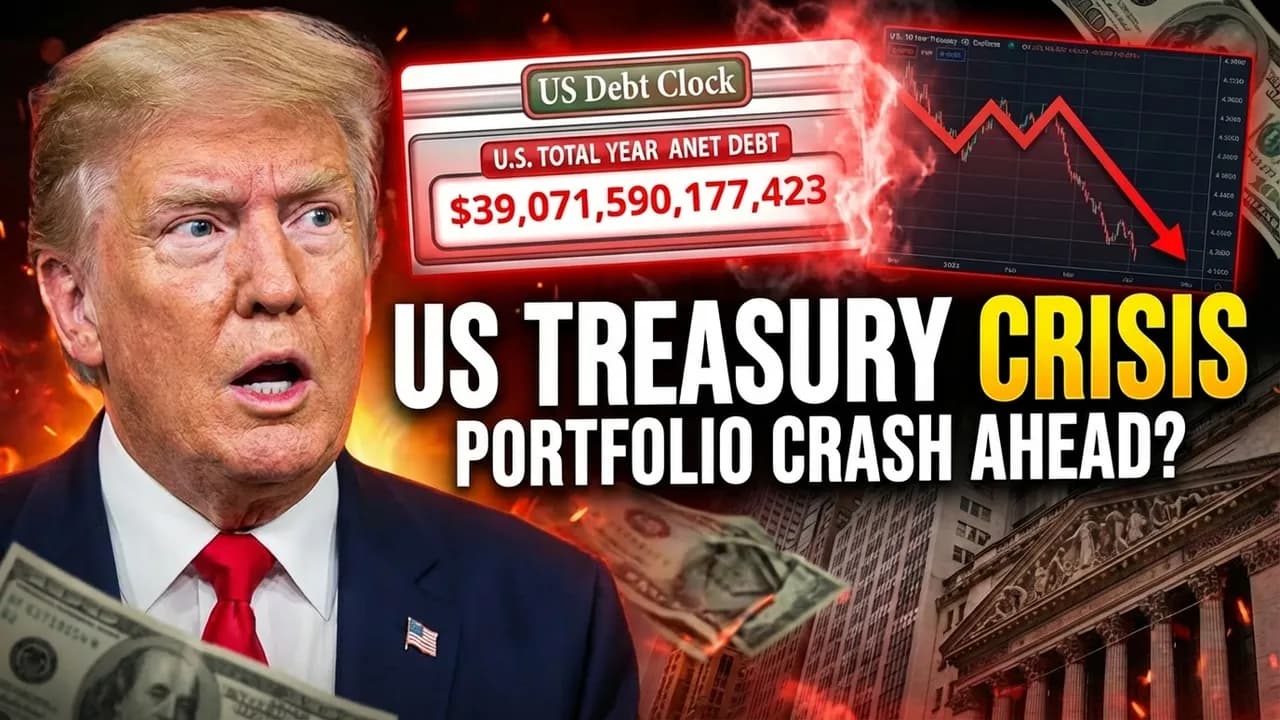
The second loser is the United States government. The single most leveraged borrower on the planet is Washington, sitting on almost $40 trillion worth of national debt. Interest payments alone are projected to hit a trillion this year, which is more than spent on Medicare, national defense, and it's the second largest line item on the entire budget. All of the debt that was locked in between 0% to 1% five years ago is now coming up for renewal in 2026 when interest rates are substantially higher, which means the government is probably going to have to print a lot more money.
The third loser is anyone who's looking for a job in the next few months. Rising interest rates at the same time that the labor market is cooling usually results in hiring freezes. There's not usually mass layoffs, it's just nothing. This typically doesn't show up in headlines because there's no report to show that they just didn't hire anyone that month.
The first winner is anyone sitting in cash. There are many great high yield savings accounts that pay a pretty significant amount of money compared with a few years ago. Anyone who has extra cash sitting there could be earning a lot more money than they did in the past.
The second winner is anyone who's locked in a low interest rate mortgage. For the last few years, this has been called the golden handcuffs. It is going to be more expensive if you pick up and move and buy something else with a new mortgage. But it is one of the best assets to keep on the books. If you're fixed for the next 25 years at an interest rate below three and a half to 4%, you're sitting in a perfect spot right now while inflation eats away at the balance of the loan.
The third winner could be just anyone watching. High inflation and rising costs are not a sign of a healthy, balanced economy. If higher interest rates are able to reduce that growing cost, eventually markets should begin to normalize, which would benefit most people. A complete market reset is needed to balance things out that are just insanely overpriced and overvalued. This could be a way to get everything back on track in a way that's just a lot more sustainable.
Keep Graham Stephan in your library
Save the videos and channels worth coming back to, and find them again in one place.