The Most Powerful Addiction on Earth
In a Nutshell
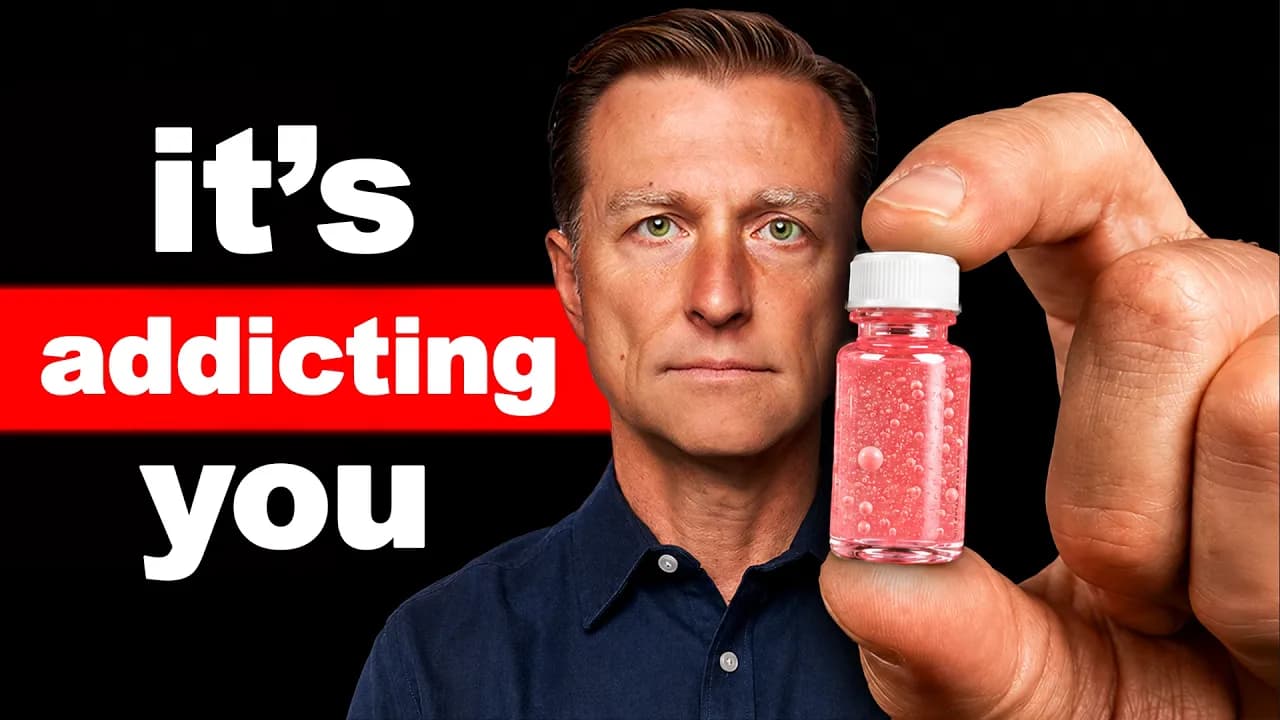
Addiction potency is driven by delivery speed—how fast a substance or behavior reaches the brain—not the item itself. The brain’s dopamine system escalates craving while pleasure fades, shifting use from seeking reward to escaping withdrawal stress. The most practical fix is to insert friction and delay: limit phone checks to a few times daily, move the device out of reach, and otherwise slow access to the addictive trigger.
These notes were generated by AI and may contain inaccuracies.
The most powerful addiction on planet Earth depends on whether the criteria is what kills the most people, what hooks the most people, or what is hardest to walk away from. Addiction is not about a chemical or drug itself. It is the inability to control use, needing something regularly, and being unable to stop. The key variable determining addiction strength is how fast molecules reach the brain.
Coca leaf chewing takes 20 to 30 minutes for effects to reach the brain. Snorting cocaine takes less than a minute. Crack injection reaches the brain within seconds. Real food requires chewing and digestion time. Ultra-processed foods like Cheetos break down almost instantly into powder, satisfying the mouth without satisfying the gut while flavor chemicals explode in the brain rapidly. Nicotine patches are rarely addictive due to slow absorption, but vaping delivers nicotine faster, and smoking delivers it fastest through lungs into blood. Lottery tickets are played weekly or less frequently, while slot machines allow dozens of spins per hour. Scrolling TikTok is less engaging than a movie theater experience. Pornography is more immediately accessible than developing real relationships.
Dopamine is not a pleasure hormone. It drives pursuit toward pleasure and creates wanting. Opioids are the body's natural chemicals responsible for liking and experiencing pleasure. In addiction, satisfaction never occurs. The process begins with a want level of plus five, followed by smoking that produces plus five pleasure. Over time, dopamine levels rise while pleasure response decreases. The amygdala, which affects emotional stress, becomes involved. The pattern shifts from using to obtain pleasure to using to relieve pressure created by the addiction itself. Dopamine continues rising, increasing want and drive while pleasure diminishes. Focus narrows to the addictive substance or behavior. The world revolves around obtaining relief from addiction-created pressure.
Dopamine creates the sensation of opening the refrigerator after dinner, looking at food while already satisfied, yet feeling drawn to something else.
Tobacco kills the most people through lung cancer and heart disease caused by smoke entering the bloodstream and damaging arteries. Tobacco also hooks people most rapidly, with addiction beginning after two days of smoking in children as young as six years old. Opioids including heroin, morphine, and fentanyl are the hardest to walk away from once started. Morphine received in a hospital setting created immediate recognition of its potential for repeated use. Alcohol is among the most dangerous substances to quit, as hardcore alcoholics quitting cold turkey risk delirium tremens requiring medical treatment. Ultra-processed food is the hardest addiction to avoid because it is constantly available, and people reach for it when tired, hungry, stressed, or bored.
Checking texts, emails, and social media feeds steals the most hours of life. The average person checks messages 130 to 160 times daily. Teenagers receive over 250 notifications daily. This behavior consumes 4 to 4.5 hours per day, totaling 61 days per year or approximately 10 years of life. Each check produces a dopamine spike. In 2023, distraction-affected crashes killed over 3,275 people in the United States.
Willpower and mindset alone are insufficient. The solution is adding time between the person and the addictive stimulus. Cell phones can be configured for three notifications daily with a personal policy of checking emails and texts only three times per day. The phone should be placed somewhere requiring physical effort to retrieve. This prevents the device from controlling daily life and reclaiming the ten years otherwise lost to checking.
Keep Dr. Eric Berg DC in your library
Save the videos and channels worth coming back to, and find them again in one place.