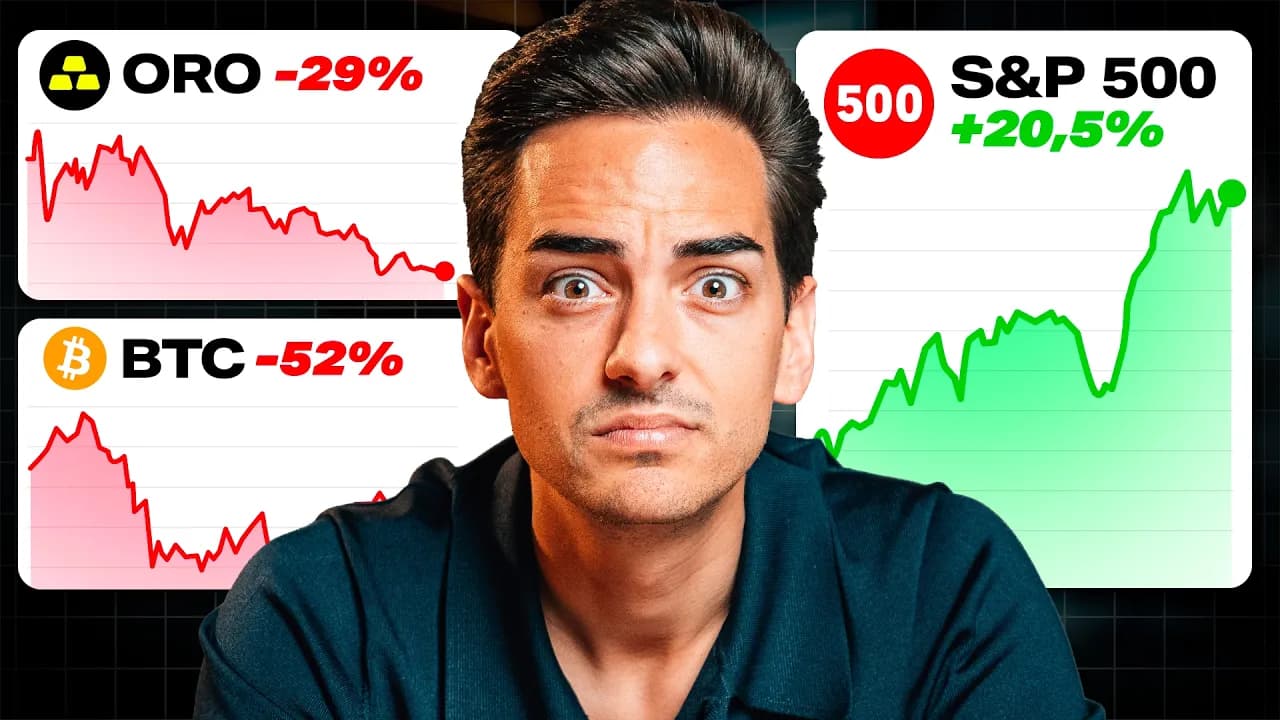
The New Fed Chair's Plan To Reset The Entire Money System (Nobody Is Ready)
In a Nutshell
New Federal Reserve Chair Kevin Worsh plans to shrink the Fed's $6.7 trillion balance sheet, eliminate forward guidance and the dot plot, switch from core PCE to trimmed-mean inflation measures, and make Fed independence conditional on hitting targets. The bond market is pricing in higher long-term rates and possible rate hikes due to persistent inflation and skepticism about his ability to control it. Savers and banks stand to gain while borrowers, growth stocks, and the government face higher borrowing costs and market volatility.
These notes were generated by AI and may contain inaccuracies.
The new chair of the Federal Reserve is openly calling for a complete regime change at the institution that controls the cost of money in America. If implemented, this could reset the Fed's balance sheet, how much it intervenes in the markets, the way they calculate inflation, and even the way interest rates affect savings, investments, and mortgages.
For the first time in 75 years, former Fed chair Jerome Powell will not be stepping down. This means both Kevin Worsh and Jerome Powell will serve simultaneously with very different philosophies. The last time a similar situation occurred was in 1948 when President Truman personally requested the Fed chair stay on longer. Powell is staying citing unprecedented legal attacks. This is the most unusual transition of leadership in three quarters of a century.
Kevin Worsh has repeatedly stated he would implement a regime change shortly after appointment. During recent Senate hearings, he outlined a four-part plan.
The Fed currently sits on $6.7 trillion in bonds and mortgage-backed securities purchased during COVID and the 2008 financial crisis. Worsh believes this is too large and stated that taking down the balance sheet by a couple trillion dollars over time would turbocharge the real economy. A smaller balance sheet would mean less market distortion and lower inflation risk premium. Critics argue this could cause the stock market to fall while raising interest rates simultaneously.
For the last 14 years, the Federal Reserve has issued a dot plot showing where each voting member expects interest rates to go. Worsh wants to eliminate this and reduce annual meetings from eight to four. He believes a Fed that talks less and acts more is healthier for the economy. Critics say this makes it impossible for markets to adjust to new information, leading to more abrupt sell-offs and rallies.
Jerome Powell's Federal Reserve used core PCE as its primary inflation gauge, stripping out food and energy. Kevin Worsh wants to switch to trimmed averages, dropping the most extreme price changes to get a cleaner read on underlying inflation. This could make inflation appear lower than it actually is, allowing further interest rate cuts.
Jerome Powell treated Federal Reserve independence as non-negotiable. Kevin Worsh states that independence must be earned by hitting targets. This is causing many to question his intentions, especially since he was appointed by Trump who wants lower interest rates.
Anytime you log into your brokerage, move money, or check your account balance on public Wi-Fi, you expose your data on networks you don't control. Identity theft is skyrocketing, making your internet connection potentially your weakest link.
Surf Shark VPN Features
A VPN encrypts online data, protects personal information, masks your IP address, and prevents hackers from identifying your location and download history. Surf Shark allows users to virtually travel anywhere globally, swap locations back to the United States when traveling abroad, and access content unavailable locally. The clean web feature blocks ads, trackers, malware, and phishing attempts. Surf Shark does not track, store, or monitor online activity, with no connection or activity logs. Use code graham at surfshark.com/gram for an extra 4 months free with a 30-day money-back guarantee.
Even if the Federal Reserve lowers interest rates, they only impact short-term borrowing. Long-term rates affecting savings accounts, mortgage rates, auto loans, and investments are dictated by the bond market through supply and demand. Investors demand higher compensation when they anticipate more inflation and volatility. Currently, the market is pricing in the likelihood that Kevin Worsh will raise interest rates as his first policy move because inflation is growing out of control.
Investors observe higher oil prices, inflation not fully priced in, and the Fed wanting to change how it measures inflation. The bond market does not believe the Fed's statements. Higher Treasury yields mean more interest on the $39 trillion national debt, leading to bigger deficits, more borrowing, and a cycle of higher interest rates.
The biggest losers include those with debt. Credit card rates already exceed 20% and will not decrease. Mortgage rates are hitting 7% again, hurting first-time buyers. Growth stocks suffer because when interest rates rise, future profits become worth less in today's dollars, causing high-multiple tech stocks, AI plays, and speculative names to be repriced lower. Housing stays frozen as Worsh's plan to reduce the Fed's balance sheet includes selling off mortgage-backed securities.
The government loses as higher Treasury yields increase interest payments on national debt, creating a cycle of bigger deficits and more borrowing.
Winners include savers. The 30-year Treasury is above 5%, the highest in nearly two decades. Those with money in high-yield savings accounts, CDs, or short-term Treasuries benefit. Banks win as higher interest rates allow them to charge more for long-term loans while paying less for short-term deposits. Bank stocks are already showing profits from this dynamic. The dollar is getting stronger, allowing overseas purchases and travel to stretch further.
The market is no longer pricing in rate cuts and is beginning to price in the chance of a rate hike. Coverage of Kevin Worsh has been dramatic on both sides. He inherited an economy with 3.8% inflation, $106 oil, a divided Federal Reserve, and a bond market already calling his bluff. The regime change rhetoric will not change the numbers unless inflation meaningfully comes down.
Worsh entered during oil prices spiking from Middle East conflict, which is outside his control. However, the market does not believe he will be tough on inflation. The recommended approach is staying diversified, keeping 20% of portfolio in cash earning between 3% and 4%, and continuing to dollar cost average. Avoid betting on lower interest rates coming anytime soon and avoid overleveraging on anything dependent on rates declining within the next 12 months. The next Fed meeting is June 17th.
Keep Graham Stephan in your library
Save the videos and channels worth coming back to, and find them again in one place.