The Oil Shock Is About To Explode
In a Nutshell
The Strait of Hormuz closure has cut 8-13 million barrels of daily global oil supply (15-20% offline), far exceeding spare capacity, creating a massive paper oil price ($100/barrel) vs. physical ($130-160/barrel) gap that will soon converge as contracts force buybacks at real-world rates. Asia faces immediate shortages with emergencies and shutdowns, followed by Africa/Australia/Europe, then the US by late April, triggering inflation, food/fertilizer crises, bond yield spikes, and recession worse than 1973/1990 oil shocks. Markets remain disconnected with stocks at highs despite consumer sentiment lows; physical reality will dominate, draining reserves and hiking gas/grocery prices.
These notes were generated by AI and may contain inaccuracies.
Somebody shorted the oil market by hundreds of millions of dollars exactly 20 minutes before Trump announced everything was going to be great. This has happened at least three times since the war began, forming a pattern. The back-and-forth about the Strait of Hormuz being open or closed manipulates stock markets. Last Friday, the Strait was said to be open, causing paper oil prices to drop and markets to rally to a new all-time high. Over the weekend, it was revealed the Strait remains closed, with ships routed back and no ships allowed to pass.
A virus is infecting the world's gas infrastructure. Dozens of energy pipelines have caught fire or exploded since March across the world. Due to restricted energy flow, warnings of a bad recession emerge. The International Monetary Fund warns of a worldwide recession if the Middle East war doesn't end soon, with energy and food prices spiking and stunting global economic growth.
The US imports more crude oil than it exports: 6.3 million barrels per day in, 4.1 million out, net importer of 2.2 million barrels daily. This confusion causes oil prices to show two numbers: paper price and real-world physical delivery price, with a $35 gap—the biggest ever recorded.
Brent futures (paper price) at around $100/barrel. Dated Brent (physical delivery 10-30 days out) over $130/barrel, up to $120-160. The gap exists because those needing oil now pay whatever it takes, while paper markets pretend everything is fine. Paper markets suppress psychological impact, per JP Morgan chart since 2008 showing prices usually $1-5 apart, now massively divergent. Last similar gap was during COVID demand collapse; this is a supply emergency.
Peace talks failed, war continues, but White House claims victory and stocks rise. Data shows issues worsening, effects not yet at US gas pumps.
Hi, my name is Andre Jick. The war's effects are like Interstellar's hidden tsunami: markets seem fine now, but something massive approaches. Key questions: severity of oil shortage, which regions hit first, global bond market impacts, investment market effects despite strong stocks.
Strait of Hormuz handled a fifth of world's oil/gas daily. World uses 100 million barrels/day at full capacity; 8-13 million missing daily (equivalent to half US's 20 million/day usage), ongoing for weeks. Total loss: 780 million barrels—twice the US Strategic Petroleum Reserve (SPR) of 400 million barrels (already half empty pre-war).
US spare capacity: 1 million bpd. Venezuela: under 1 million. Canada (Pacific): under 1 million. Total alternatives: 2.8 million bpd vs. 8-13 million shortfall. Reserves will run out. Global supplies likely deplete mid-to-late April (current time: mid-April).
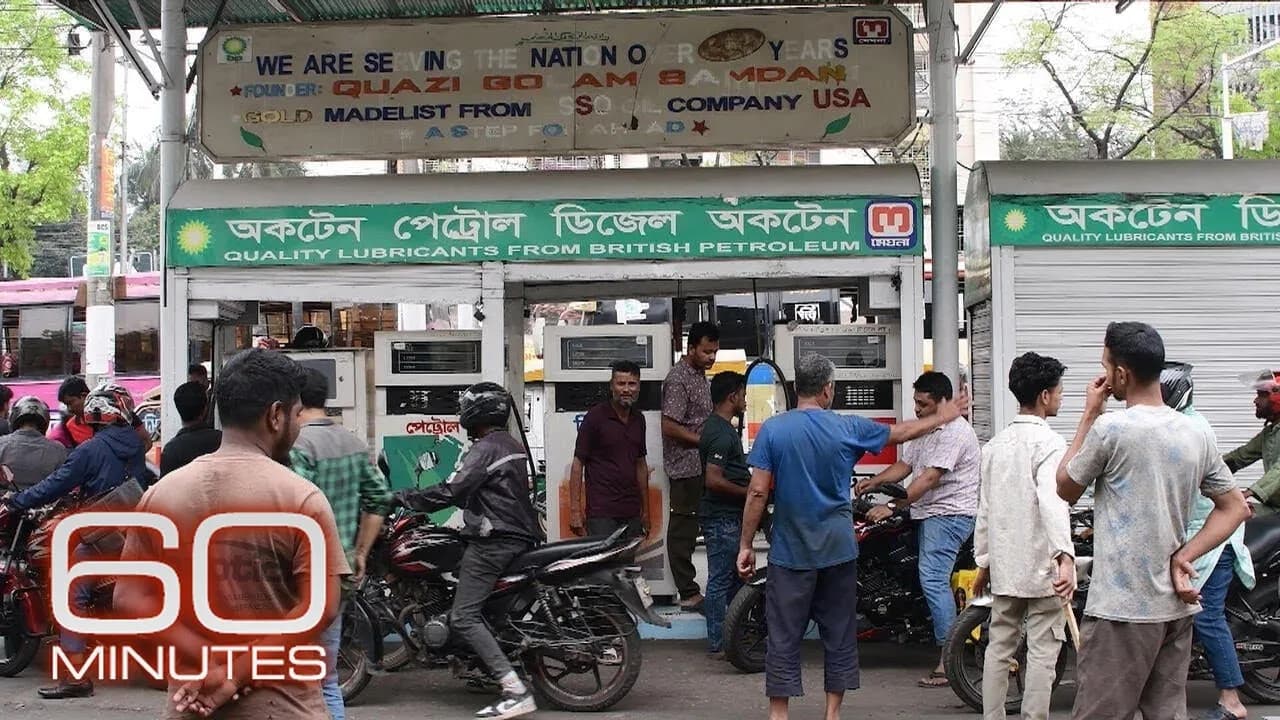
Asia hit first/hardest: deliveries stopped April 1st, sources 80% oil from Persian Gulf, now only 6% of pre-war volumes.
- Philippines: national emergency, gas prices doubled.
- Indonesia/Vietnam: work-from-home to conserve fuel.
- Thailand: fishing industry (1% economy) shutting down, marine fuel up 250%.
- Japan: bus/ferry services slowing due to shortages.
- India: stopped LPG for commercial use to protect households; Mumbai 20% hotels/restaurants shut by early March.
Africa last deliveries April 10th: Ethiopia, Zimbabwe, South Sudan diluting petrol, restricting electricity. Australia: last shipment April 19th; released reserves, cut fuel taxes, national security plan. Europe: deliveries stopped April 10th, reducing demand: "How can we reduce the demand? Because of course, the least expensive energy is the energy that is not used."
US last in line: deliveries stopped April 15th; final crude to Texas April 1st, California April 8th. Buffer gone. Last tanker cleared Hormuz February 28th, arrives final destination ~April 20th—pre-closure barrels exhausted, physical/paper prices converge.
Despite failed ceasefire, paper prices fell due to huge short positions placed around announcement (under investigation). Shorts in oil futures require delivery or closeout. Theory: ceasefire engineered for shorts to exit before physical reality forces prices up. Chris Martinson: whoever dumps paper futures can't deliver; US government/proxies suppressing price, only for ~1 more week. Selling promises at $100 knowing no delivery = short squeeze when contracts due, forcing buyback at physical prices ($130-140+), converging prices fast.
Chart compares 1973 (Arab embargo, 7% supply offline, oil +300%, stocks -52% over 23 months, 7-year recovery, inflation 12.3%), 1990 (Gulf War, 7% offline, oil +75%, stocks -21% recovered 4 months, mild recession, inflation 6.3%), now (15-20% offline >double prior, oil futures +100%, physical +200%, 7 weeks duration no end).
1973 markets calm post-embargo/ceasefire (S&P +2.3% Oct 1973), then -40% more. No models for 300% oil spike. Current: S&P near highs vs. University of Michigan Consumer Sentiment at lows—gap unprecedented; historically, consumers right.
Urea (common fertilizer from natural gas via Hormuz) prices rising to 2022 Ukraine war levels, causing food price crises. Energy up Feb 2022, food followed year-long.
10-year yields since 2008: US 4.3%, UK 5%, Germany/Japan up; China down (lowest vs. US/UK/Japan/Germany in 20 years)—safe haven shift. US yield base for mortgages/car loans/credit; 4.6-4.8% debt servicing crisis point. Oil shock → inflation → Fed can't cut → yields high → debt spiral.
Theory: disrupt Gulf/Venezuela oil to hurt China/Russia more than US, drain reserves, US dominates via shale. Reality: US burned cruise missile inventory in 5 weeks; rebuild needs China-controlled rare earths/tungsten. Trump China trip focuses on supplies, potentially for oil.
Possible quick ceasefire/Hormuz reopen, but evidence (JP Morgan, bonds, fertilizer, history, messaging) points to paper vs. physical divergence ending soon—can't print atoms. Physical reality wins historically. Expect higher gas/grocery prices/inflation. See preparation video for details.
Keep Andrei Jikh in your library
Save the videos and channels worth coming back to, and find them again in one place.