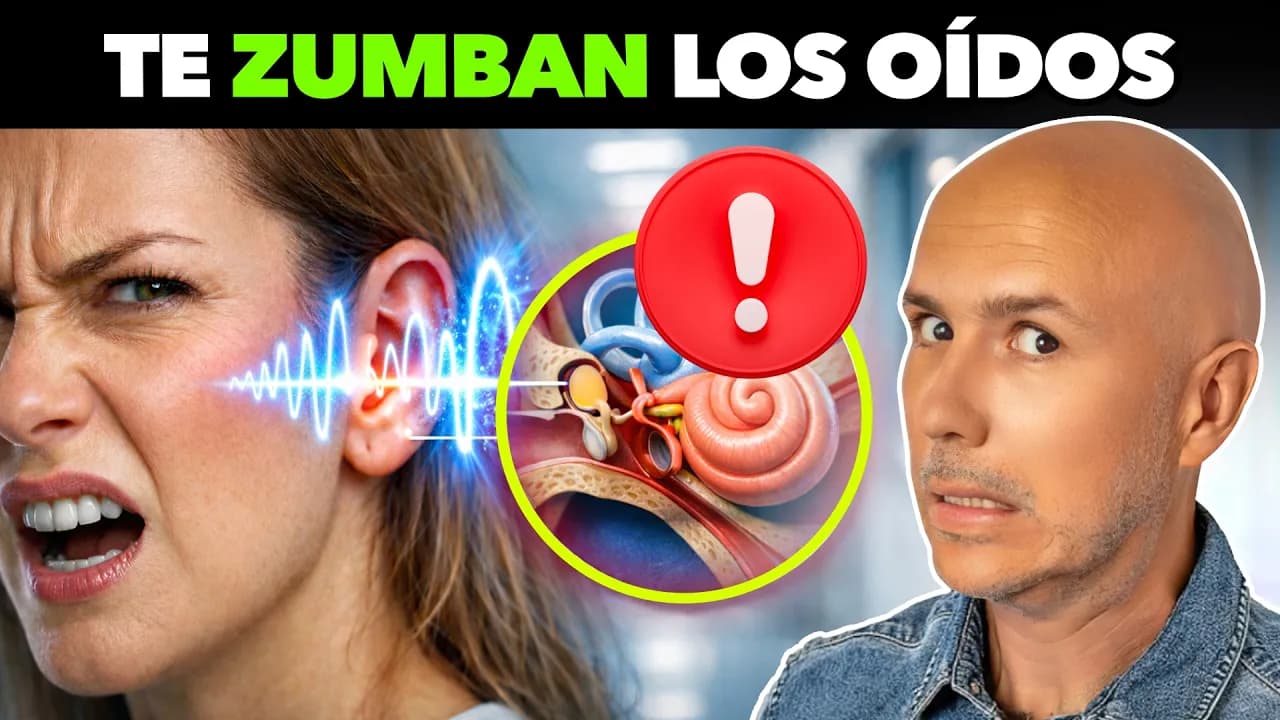
The Real Cause of Tinnitus (It's Not in Your Ears)
In a Nutshell
Tinnitus is a brainstem phantom sound triggered when the inner ear's high-energy demands aren't met, not an ear problem. Vitamin B1 (allithiamine, 50 mg 3–4× daily) powers mitochondrial ATP in the inner ear and enables GABA braking; refined carbs, diabetes, alcohol, PPIs, metformin, and stress all deplete B1 and worsen ringing. Pair allithiamine with magnesium glycinate; standard thiamine HCl or benfotiamine won't reach the brainstem.
These notes were generated by AI and may contain inaccuracies.
Tinnitus does not originate from the ears. Medical professionals often state that nothing can be done because they focus on medicine and managing symptoms with medication rather than nutrition.
Cutting the auditory nerve was a past treatment for tinnitus, but the ringing continued despite resulting deafness. The actual ringing occurs as a phantom sound in the brainstem, not the inner ear.
The inner ear contains a tiny but powerful battery requiring 150 mV to power it. This tissue has the highest energy demand of any tissue in the body. Energy is pulled from the bloodstream, so bloodstream fuel problems appear in the inner ear.
When inner ear energy drops, the brainstem compensates by turning up the volume, creating phantom noise rather than reduced hearing. This phantom sound is perceived as static, hissing, or buzzing, similar to a microphone with the gain turned up.
The brain's built-in brake pad is GABA. A B1 deficiency simultaneously shuts off the power supply in the inner ear and shuts down the brakes. B1 powers energy into the battery and helps make GABA function. B1 is the antidote to racing thoughts during sleep.
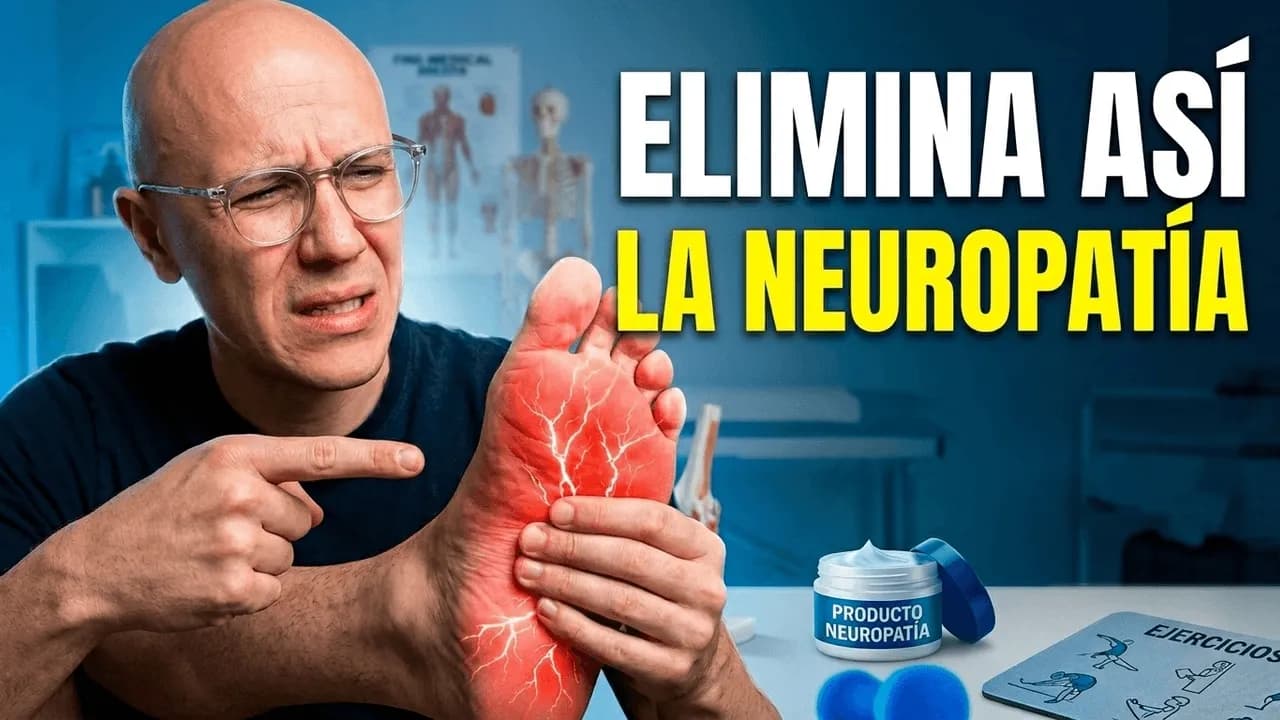
B1 functions as the spark plug for mitochondrial energy, especially in high-energy tissues like the inner ear and retina. People with diabetes experience retina problems due to B1 deficiency. Peripheral neuropathy in the feet is also a B1 deficiency.
Severe B1 deficiency (beriberi) presents tinnitus as an early symptom. Studies show people with beriberi and tinnitus can reverse the condition by taking B1. This works through biochemistry in mitochondrial energy pathways.
Thiamine HCL does not penetrate the blood-brain barrier into the brainstem. Benfotiamine, though fat-soluble, does not cross the blood-brain barrier. The correct form that reaches the brainstem is allithiamine, derived from garlic.
For severe ringing in the ears, 50 mg of allithiamine taken three or four times daily is recommended. The RDA for B1 is less than 2 mg, which is considered inadequate.
Refined sugar and starches increase B1 requirements for metabolism. Hidden carbohydrates in bread, pasta, cereal, crackers, biscuits, waffles, and pancakes deplete B1. Food labels add back thiamine hydrochloride, which does not cross the blood-brain barrier.
Diabetics have severe B1 deficiency. One study found that diabetes increases tinnitus risk by six times. Diabetes involves excess sugar that depletes B1. Alcohol also creates B1 deficiencies.
Antacids (PPIs), metformin, and certain antibiotics deplete B1. Chronic stress increases B1 requirements significantly.
Herpes simplex virus can attack the inner ear and go in and out of remission. Stress triggers the virus from remission, creating inner ear damage. This explains why tinnitus fluctuates with stress levels.
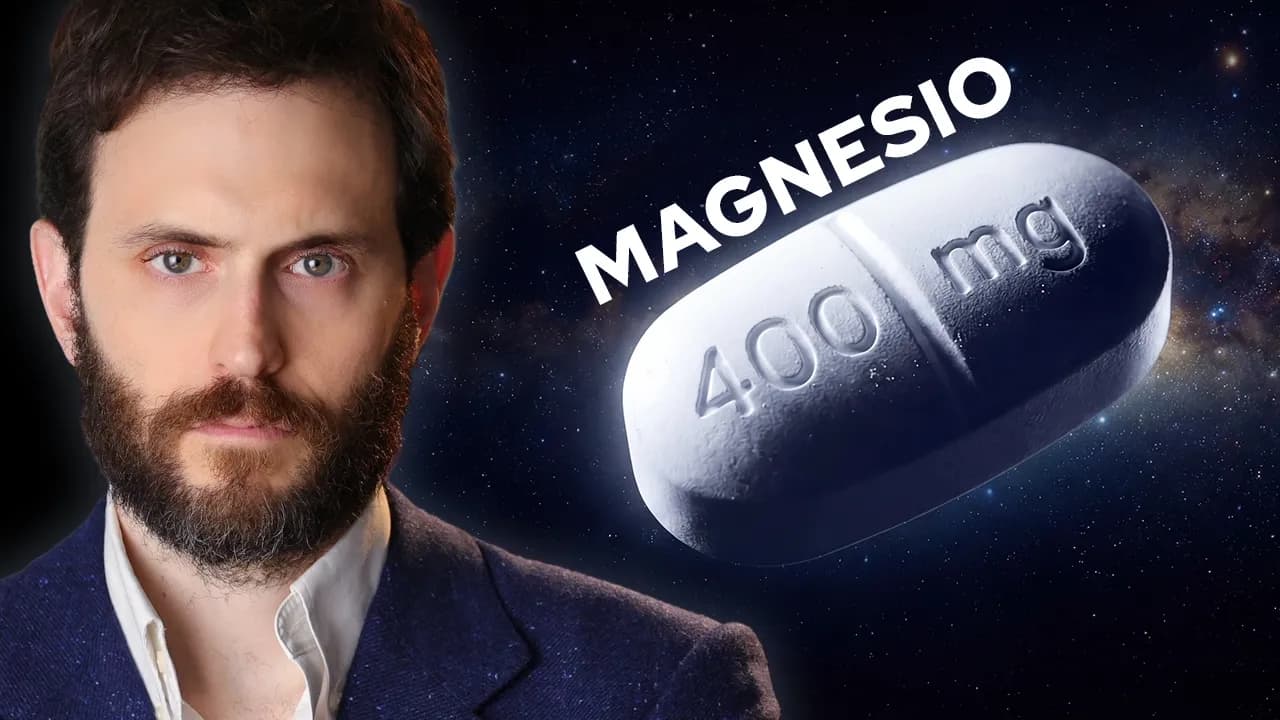
Literature on B1 and tinnitus shows mixed results because studies often use wrong B1 forms or participants have magnesium deficiency. Magnesium is difficult to test as most exists deep in cells. B1 biochemistry depends on magnesium, so magnesium glycinate should be taken with allithiamine.
A free download provides a daily routine and checklist used to maintain youthful energy at age 60.
Keep Dr. Eric Berg DC in your library
Save the videos and channels worth coming back to, and find them again in one place.