The Real Reason Your Sleep Sucks (It's Scary)
In a Nutshell
Modern humans have underdeveloped jaws from post-agricultural diets, causing narrow airways, chronic mouth breathing, and low nighttime oxygen levels that trigger insomnia, anxiety, and depression. The core fix is restoring nasal breathing and airway space through palatal expansion, nose strips, side-sleeping, and tongue exercises, which can dramatically raise oxygen saturation. Even small airway widening yields outsized gains because airflow scales with the radius to the fourth power.
These notes were generated by AI and may contain inaccuracies.
92% of people suffer from a breathing problem related to jaw structure. 95% of modern humans did not grow their jaws to normal size, resulting in poor breathing that negatively affects the brain. The tissue inside and around the nose has an important function, yet most people experience breathing difficulties due to underdeveloped jaws.
Weston Price was a dentist who traveled around the world documenting the lives of different tribes and groups of people. He observed that when people changed their diet from what was appropriate to their ancestors, the health of their mouths and teeth deteriorated significantly. This resulted in malocclusion, where teeth do not align properly and do not fit in their mouths.
There is a global epidemic where people need braces, teeth do not fit properly in mouths, and wisdom teeth require extraction. The fossil record shows clear evidence of how human faces changed after the agricultural boom, with jaws becoming smaller, teeth becoming closer together, and front teeth protrusion changing.
When the agricultural boom occurred and humans shifted from mainly eating meat as hunter-gatherers to consuming vegetables, carbohydrates, and foods not suitable for ancestors, jaw structure changed significantly. Even people following meat-based diets now were eating traditional American diets previously, and their ancestors did the same, resulting in smaller jaws across the population.
This has significant impact on breathing. Many people have been turned into mouth breathers due to altered jaw structure. The airway structure changed, and even if breathing through the nose, the airway may not be wide enough to receive valuable health benefits.
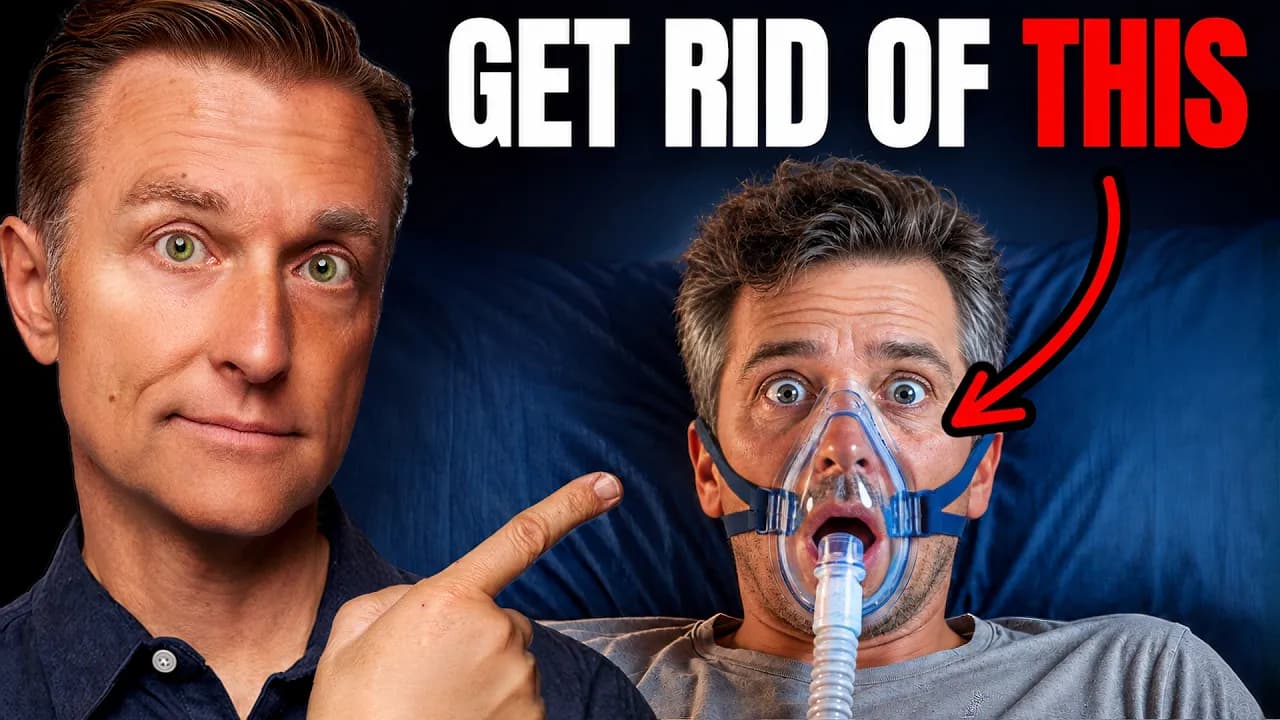
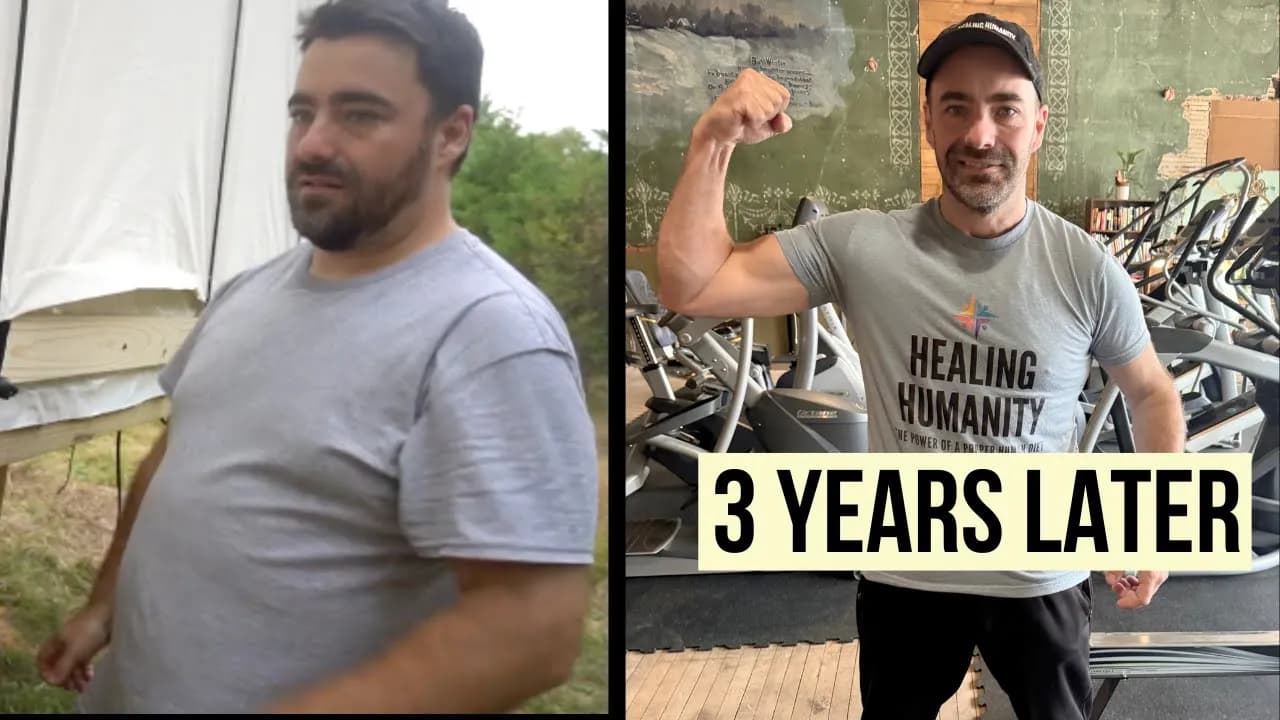
A man tracking his health discovered he was waking up several times during the night due to sleep apnea. He was not overweight and followed a keto diet. Using blood oxygen saturation tracking with a pulse oximeter during sleep, he found his oxygen levels dropped to the fifties at night, despite normal readings of 98% during the day.
When oxygen levels reached their lowest points, he suffered terrible nightmares. He would wake up not having slept well, leading to depression and anxiety the next day. This occurred because he breathed through his mouth due to jaw and teeth misalignment altering his breathing structure.
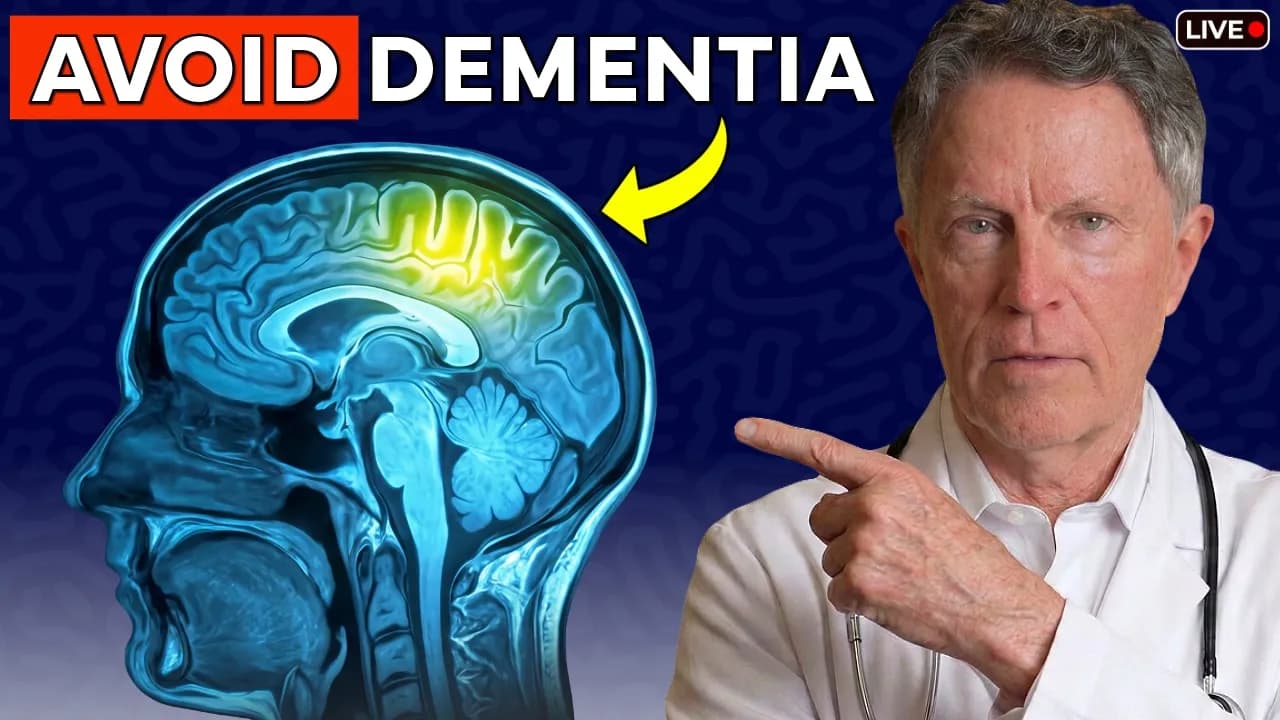
Breathing through the nose produces nitric oxide, which helps widen blood vessels. Mouth breathing does not produce nitric oxide, causing partial blockage and insufficient oxygen intake. When oxygen decreases, less oxygen reaches the brain, causing inflammation and side effects including insomnia, depression, and anxiety.
The man underwent treatment involving a metal device attached to the roof of his mouth that was surgically implanted. The device was rotated slightly each day to widen the mouth, not for cosmetic reasons but to change mouth structure and allow more oxygen intake. This addressed the mouth breathing problem that caused reduced oxygen reaching the brain.
Following a keto diet with carnivore eating helped for two reasons. First, in ketosis the brain and heart prefer ketones to function, which are more efficient. The brain and heart can work more efficiently despite oxygen deficiency from mouth breathing, compensating for low blood oxygen saturation.
A small change in airway diameter leads to significant changes. Using the example of a straw as a cylinder, the amount of flow through a tube is exponentially related to the radius raised to the fourth power. A small change in radius from one to two affects flow by a factor of 16.
Inflammation from unsuitable diets causes the airway tube to decrease slightly, almost imperceptibly, but this creates enormous changes in oxygen flow. The man's blood oxygen saturation was in the fifties, but without inflammation it might have been in the sixties or seventies.
According to fossil records, ancestors had no malocclusion problems where teeth did not align properly. Modern humans have narrower faces, requiring braces and wisdom teeth extraction because teeth no longer fit in mouths. This is not just a cosmetic issue but literally distorts airways.
Humans were designed to breathe through their noses since the dawn of history, but this no longer happens for most people. The problem extends beyond sleep apnea to oxygen saturation and overall performance, contributing to exhaustion, mental confusion, and constant fatigue beyond diet alone.
Tongue exercises are supposed to help over time. Dentists can take molds of mouths and create devices that gently push teeth outwards over time, reducing likelihood of mouth breathing. These are non-surgical options.
Nose strips open nostrils slightly and were found very useful. The mathematical relationship between radius and flow means opening nostrils slightly may increase blood oxygen saturation by 5 or 10%. The strips serve as reminders to breathe through the nose and encourage nasal breathing practice.
Sleeping on the side prevented oxygen saturation from dropping below 75%, while sleeping on the back caused drops below 50%. When lying on the back, the airway is compressed as the tongue falls back, putting more pressure on the airway.
Small steps can improve the enormous deficiency most people suffer from without knowledge: nose strips, sleep position changes, tongue exercises, and palatal expansion devices. These address the airway distortion affecting oxygen intake throughout the day.
Keep HomeSteadHow in your library
Save the videos and channels worth coming back to, and find them again in one place.