The Skeptic Who Cried at Tony Robbins and Made a Netflix Film
In a Nutshell
Joe Berlinger, a skeptical New York filmmaker, attended Tony Robbins' intimate "A Date with Destiny" seminar expecting nothing transformative, but a childhood memory exercise triggered overwhelming tears and a profound realization about his own emotional barriers. The resulting independent documentary captures raw breakthroughs like Dawn Watson's escape from an abusive sect, while Robbins reveals he reads 15-page intake forms for every participant and deliberately suppresses his own emotions onstage to help others. The core message is that sustainable happiness requires internal change through facing pain directly, not waiting for external circumstances to improve.
These notes were generated by AI and may contain inaccuracies.
Joe Berlinger initially did not want to make the documentary about Tony Robbins, nor did his wife. The setting of "A Date with Destiny" is private and limited to 5,000 people compared to the typical 15,000 in stadium events. The idea of placing cameras in this intimate environment initially met resistance.
Tony Robbins originally invited Joe Berlinger to a seminar. Robbins was impressed by Berlinger's character and kind soul, but sensed that Berlinger was not as happy as he could be. Robbins had not known that Berlinger was holding documentary events at the time.
Joe Berlinger initially considered himself a skeptical and tough New York journalist. He viewed the event as self-help and was hesitant about sharing feelings with others. Despite his reservations, he accepted the invitation due to Robbins' kindness. While traveling from John F. Kennedy Airport to Palm Springs, California, Berlinger questioned why he was attending the event.
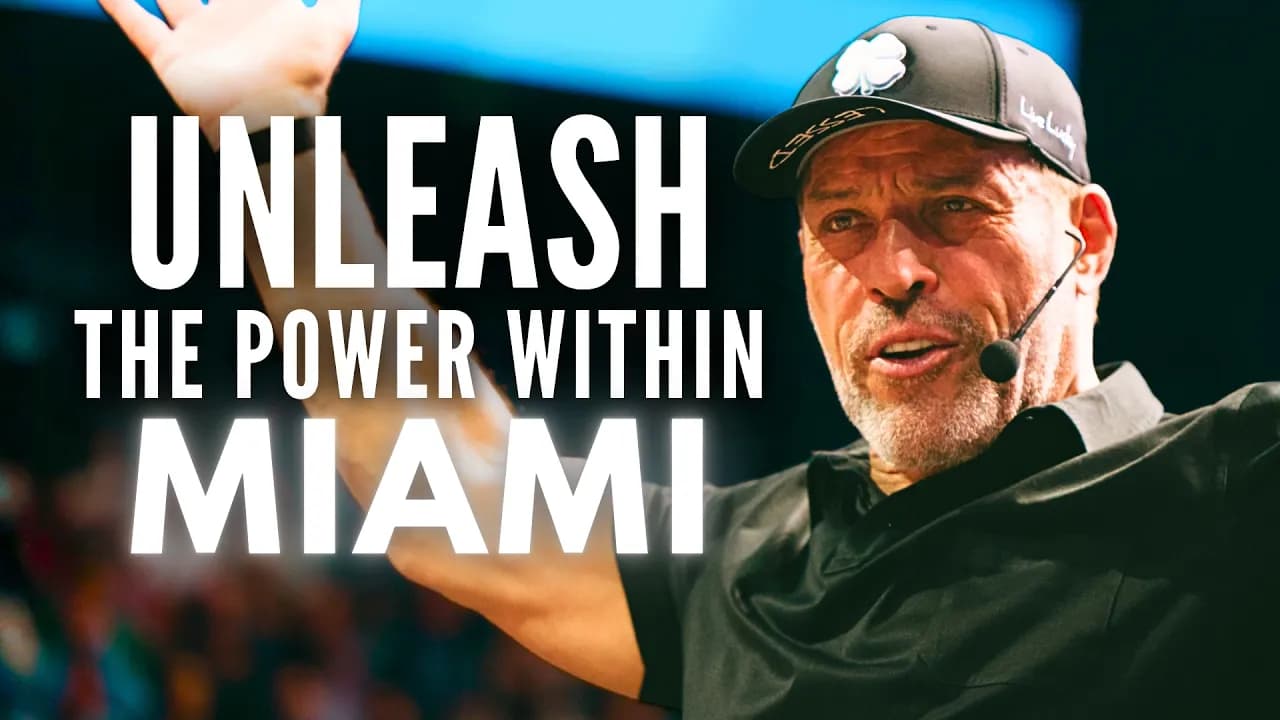
After the first two hours, Berlinger felt the experience was not right for him, particularly the dancing and emotional sharing. The turning point came during an exercise that takes participants back to their earliest childhood memories. This exercise involves remembering repressed memories as a key to healing. In front of 2,500 people, Berlinger closed his eyes and participated, and when he opened them, he was overwhelmed by tears.
"I'm someone who hasn't cried at that time for a very long time. I felt light at that moment, and I thought: 'My God, if this is able to make me feel like this even for a minute, then I must give it its due.'"
Berlinger realized that his lack of confidence had led him to judge the event harshly and put up barriers. He ended up having a life-changing experience. The meeting was social, not a sales pitch for a movie, and Robbins had been kind enough to invite him.
After attending the event, Berlinger found it very cinematic and pursued Robbins for two years to make the film. He proposed an approach that would not analyze the event but rather involve viewers in it, treating it like a rock music movie - a "concert of human emotions."
Berlinger emphasized that the film is completely independent and that he pursued Robbins until he agreed to participate. The documentary has impacted many lives through Robbins' courage, commitment, determination, and perseverance.
Robbins describes "A Date with Destiny" as a very impactful and transformative program. He believes this is what he was born to do. In every event, there are two or three standout experiences that are beautiful and unforgettable.
One memorable participant was Dawn Watson, who was stuck in a religious group or sect that was abusing children. At "A Date with Destiny," there is an evening segment called "Suicide Night" because in any hall with 5,000 people (or 2,200-2,500 in earlier events), there are at least twelve people contemplating suicide, sometimes as many as twenty-four.
Before people attend "A Date with Destiny," they fill out forms with approximately 15 pages of questions. Robbins reads all of them, which takes weeks to complete. Some people hand them in the night before, requiring him to stay up all night reading. This deep preparation allows him to understand patterns and reach as many people as possible during interventions.
Dawn Watson attended "A Date with Destiny" in 2014 and described it as one of the most amazing experiences of her life. Since then, she has been working on internal work and created her own method based on her experiences and what she learned from Tony Robbins. She helps people understand that the only way to get through pain is to move forward through it and face it head-on.
Dawn reports seeing life through completely different eyes. She is in love and has a wonderful person in her life with whom she shares a beautiful relationship. Being in a state of vulnerability and honesty with someone is described as truly amazing.
One of Joe Berlinger's favorite moments in the movie was after Dawn's transformation when he wanted to go back and see Robbins, who was shedding tears. Robbins' security team was protecting him and didn't want Berlinger to go back into the room, but Berlinger insisted. The resulting spontaneous and genuine interview became his favorite moment in the movie.
People frequently report that the movie helped them through difficult times, including cancer and divorce. Berlinger notes that despite dealing with dark topics like unfair condemnation and polluting corporations in his other work, this film was special because it highlights something positive and transformative.
Robbins explains that when people see him on stage, he shows his emotions, but when people are hurting, he feels it without allowing himself to feel it completely because then he wouldn't be able to help them. After breakthroughs, he might go backstage and feel overwhelming emotions and tears because it seems as if grace has manifested itself.
Robbins has been doing this work for 33 years and has completed 85 cycles of "A Date with Destiny." He states that this happens every time and doesn't believe he is exaggerating.
The gift for Robbins is not just seeing people change, but seeing people return home and maintain this change, making it benefit their families, friends, businesses, and clients. His principle is that "everyone teaches one another."
Robbins states that the idea that someday, with someone, or with something, one will accomplish something and then be happy is nonsense. Unless you can find happiness in any moment you go through, including times of challenge, you will not have a sustainable quality of life. The key is making a change within yourself by changing cognitive tools, beliefs, values, and rules.
The documentary reflects the community and friendship that has been built through the process. Beyond inner transformation, it's about finding people who share the same mindset and love. There is cooperation, solidarity, and a gathering of true brothers and sisters - a unique collective consciousness and family born through this process.
Watching the film and spending time together serves as a reminder that everyone is capable of creating a compelling future. If you really want things to be great, you have to master what's going on inside you.
Keep Tony Robbins in your library
Save the videos and channels worth coming back to, and find them again in one place.