The Stock Market Crash Has Begun - Do THIS ASAP!
In a Nutshell
The stock market is crashing amid escalating US-Israel-Iran conflict blocking the Strait of Hormuz and spiking oil prices, echoing historical panics like 1929, 2008, and 2020—but every major crash has been followed by massive recoveries (e.g., 815% post-Depression, 120% post-COVID). Panic selling locks in losses and misses rebounds; instead, protect wealth by dollar-cost averaging into quality stocks with a 20+ year horizon, staying employed, tracking expenses, and investing consistently. Be greedy when others are fearful, as data shows markets rise 5% on average six months after geopolitical shocks.
These notes were generated by AI and may contain inaccuracies.
Graham addresses concerns about the economy due to negative news. Markets are reacting, potentially wiping out profits in hours or days. Emphasizes protecting money, not just investing, and avoiding mistakes now.
Requests likes and subscriptions; shows picture of an elephant as thanks. Thanks sponsor Surfshark.
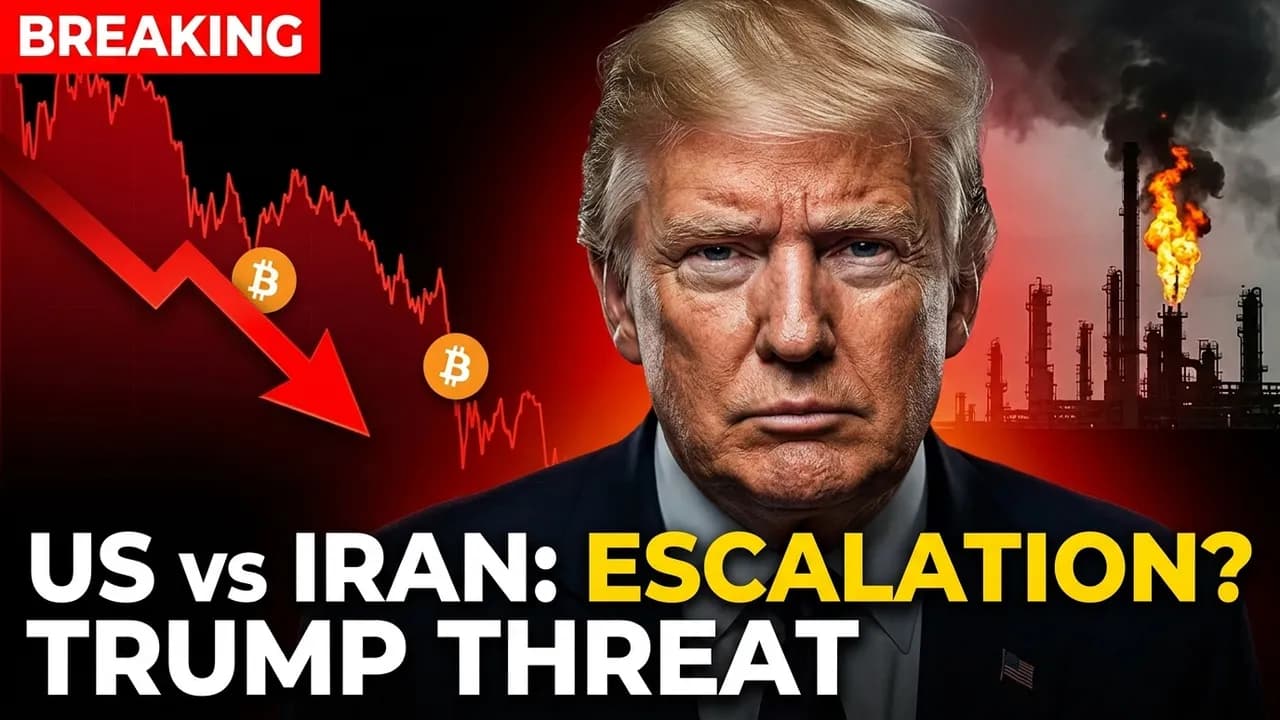
Started February 28th with US and Israel joint attack on Iran. Iran fought back, disabled shipping routes in Middle East. 20% of world's oil through Strait of Hormuz, now blocked, causing oil prices to skyrocket. Shipments delayed; costs for crude oil, natural gas, fertilizer soar. Markets initially didn't react, expecting quick resolution, but escalation today prices in prolonged conflict.
1907 Crash: Stock market crashed 50% after 1906 San Francisco earthquake; heavy insurance payouts led to gold withdrawals from banks, panic, economy collapse. Led to Federal Reserve creation. Market then surged 193% over next 4 years until Great Depression.
1929 Great Depression: Banks lent freely for investing amid rising market. When topping, mass selling, bank runs; banks lacked cash. Market dropped 83% over 3 years, 25% unemployment. Recovered in ~20 years with WWII employing 17 million unemployed; 14 years growth averaging 815% gain.
Post-WWII: Market dropped 22% over 6 months as veterans re-entered workforce, competing for jobs amid reduced government spending. Then 15-year increase of 935%.
1973-74: Nixon removed dollar from gold standard, causing inflation. Fed raised rates; market lost 40%. Next 3 years averaged 845% gain.
1987 Black Monday: Stocks dropped 22% in one day; short-lived, then 800% increase over next 13 years.
.com Bubble 2001: Frenzy in internet companies that didn't profit; bubble popped, 40-60% losses. Next 5 years: 110% growth until 2008.
2008 Great Recession: Banks lent too much to unaffordable mortgages; defaults, bank failures, 50% drop. Longest bull market followed until COVID.
COVID 2020: 30% fall; government printed money, 120% increase over next 5 years.
2025 Tariff Scare: Largest single-day losses ever; up 35% from bottom.
Economic uncertainty increases identity theft, fraud, data breaches. Lives online: banking, investing, taxes. Public Wi-Fi risky. Surfshark encrypts data, masks IP, prevents tracking of location/history. Swaps device location for global access (e.g., US content abroad, geo-locked shows). Clean Web blocks ads, trackers, malware, phishing. No logs. Use surfshark.com/gra, code 'graham' for 4 extra months free; 30-day guarantee.
Always a reason not to invest; events not unique. Chart shows sell-offs every decade over 80 years, but recovery follows. S&P 500 now at level from months ago, up 70% in last 5 years excluding dividends.
100-year chart: More green (profit) than red (loss) years; losses of 17%, 23%, 30%, 40%, but followed by multiple profit years. Panic selling misses gains.
Ryan Dietrich on Twitter: Every major geopolitical event since WWII, prices 5% higher on average 6 months later. February/March often worst months, then trends higher. Every geopolitical event followed by market increase.
Midterm years like 2026: Average intra-year pullback 17.5% since 1950 (vs. 11-13% other years). Data supports dollar-cost averaging, not panicking.
Investor psychology cycle: Buy high happily, excited to buy dip, then panic sell at loss, miss rebound, buy back high.
Seen in 2020, 2022, 2025; will happen again.
Proven method: Buy-and-hold over 20+ years. Short-term drops irrelevant unless retiring soon. Analogy: Wouldn't panic if TV price drops after purchase; buy another on sale. Same for stocks if not selling—buy cheaper.
History shows recovery; panic selling, stopping investment worst. Stay employed, invest consistently, long-term outlook = fine, likely more money.
Proactive: Track expenses, save/invest consistently.
Good time to invest with long horizon (not weeks/months). Stick to plan; test of willpower. > "Be fearful when others are greedy, greedy when others are fearful." (Warren Buffett)
Hit like, subscribe. New YouTube memberships: Extra weekly video on niche topics (other investments, alternatives, tax strategies like box spread for primary residence write-off). Click join button.
Keep Graham Stephan in your library
Save the videos and channels worth coming back to, and find them again in one place.