There's a Way Out of the Cholesterol-Statin Cycle
In a Nutshell
High LDL isn't the root cause of plaque—insulin resistance from refined carbs and sugar is. It drives triglyceride-rich particles, inflammation, and small dense LDL that damage arteries and form rupture-prone soft plaque. Statins lower the number but leave this process untouched; the fix requires cutting refined carbs, building muscle, tracking triglycerides/HDL/insulin, and using low-dose statins only as support.
These notes were generated by AI and may contain inaccuracies.
Live from Athens, Georgia, the Dr. Brewer Show focuses on plaque as the enemy, testing over guessing, and healthy arteries as the goal. Dr. Ford Brewer spent his career in preventive medicine, ran the program at Johns Hopkins, and now helps people avoid heart attacks, strokes, and early death. The show takes live calls at 888-632-6163.
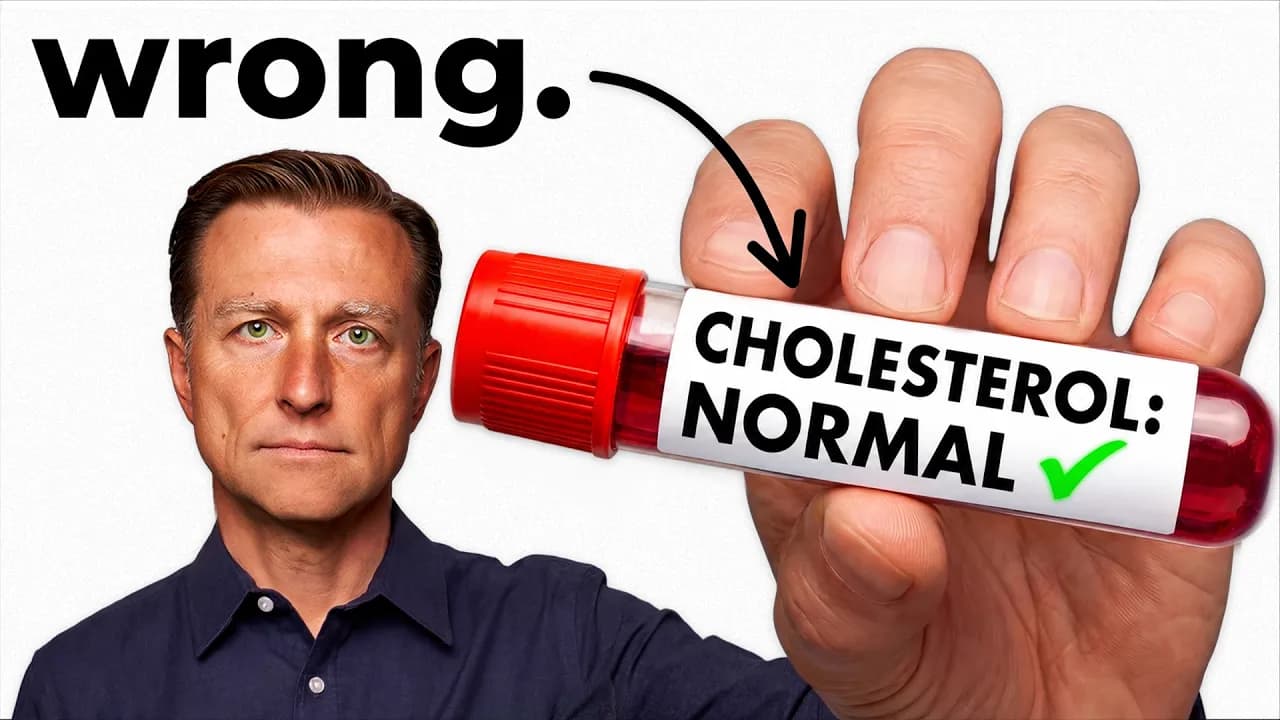
Many people over 60 have experienced this pattern: cholesterol tests return high, a statin is prescribed, and three months later the number remains elevated, leading to a higher dose. The conventional narrative states that high LDL requires lowering with statins, but this approach has a fundamental flaw. Cholesterol rides along with heart disease but does not cause it. Years spent chasing the LDL number while the real cause continues operating results in escalating statin doses without fixing the underlying arterial damage.
Triglycerides and blood sugar provide more information about heart attack risk than LDL, yet most people are never told this. The real drivers of plaque formation operate upstream from LDL.
Most people believe high cholesterol causes heart disease and that statins provide a simple fix. LDL is only one marker and not the most important one. The real damage begins upstream with insulin resistance. A diet high in refined carbs and sugar causes repeated blood sugar spikes. The body produces insulin to clear the glucose. Over years, cells experience prolonged insulin exposure, age, and become insulin-resistant as receptors stop responding effectively.
When insulin resistance develops, the liver produces excess triglyceride-rich particles. High insulin levels persist because receptors resist the signal, requiring more insulin for longer periods to lower blood sugar. Triglycerides climb, HDL drops as it is drawn into triglyceride-carrying particles, and healthy large LDL particles are converted into small, dense, dangerous LDL particles that can penetrate artery walls.
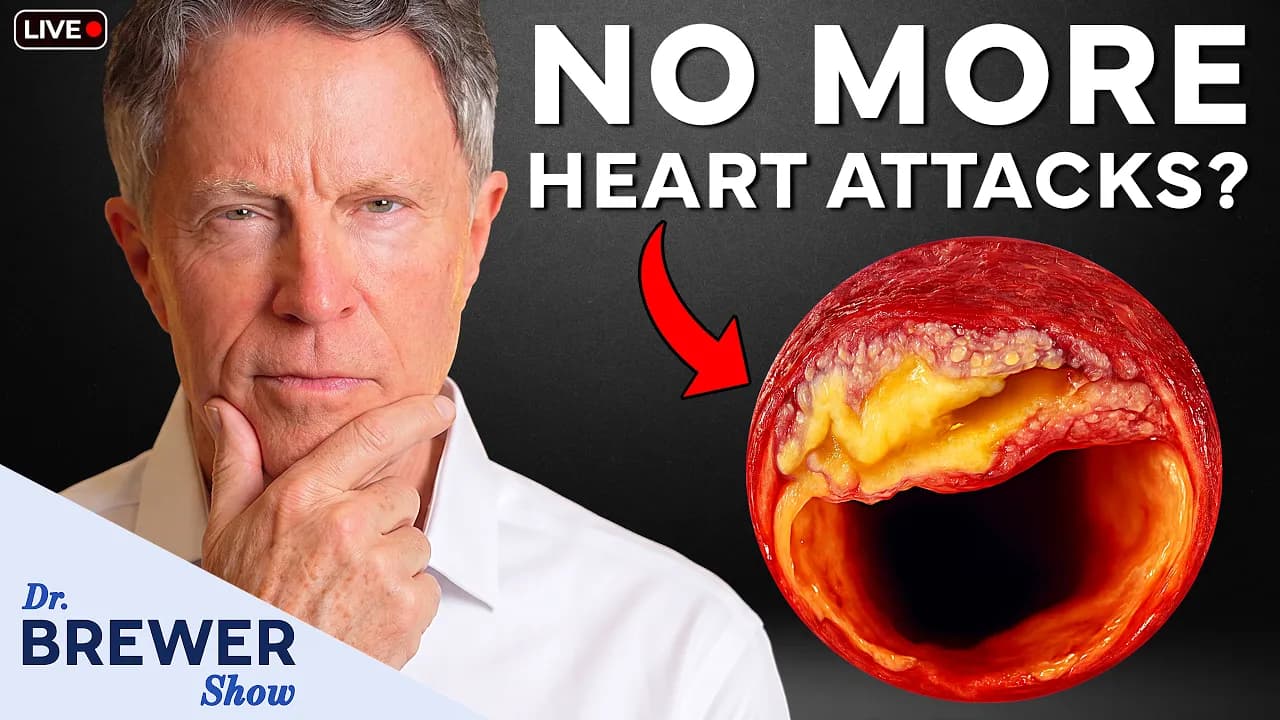
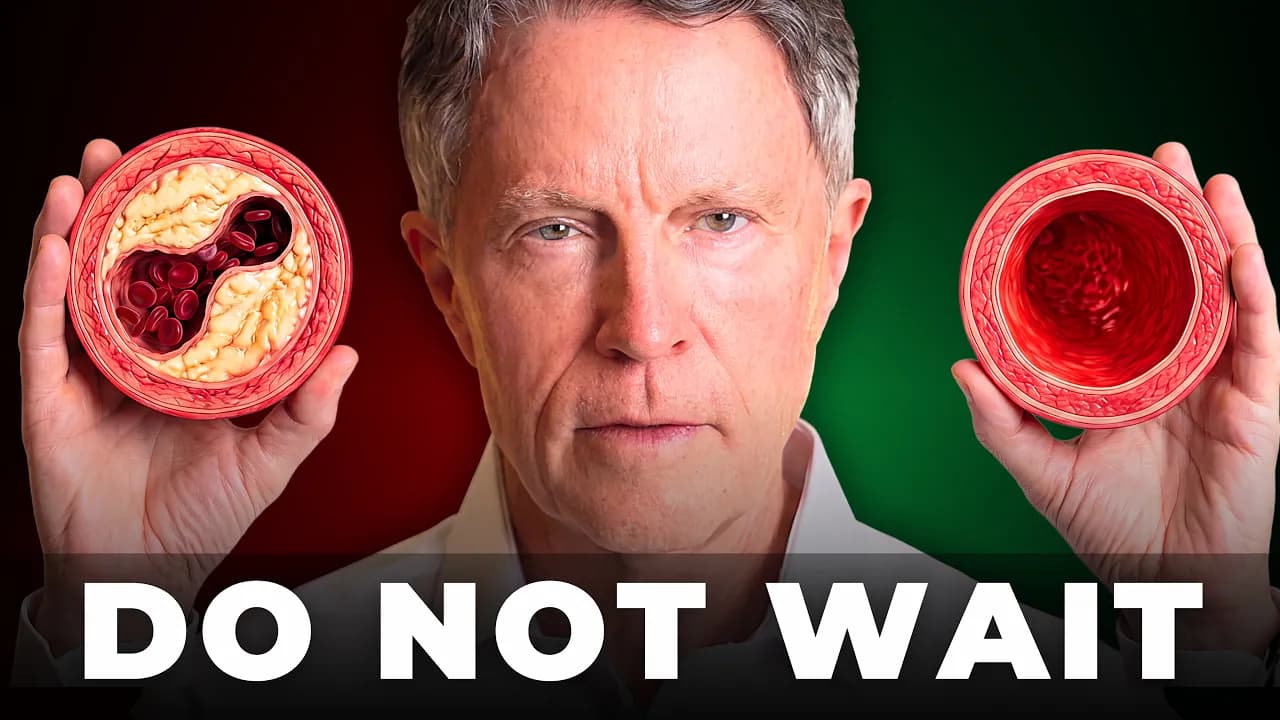
The smooth inner lining of arteries becomes damaged by these particles and the inflammation accompanying insulin resistance. Damaged, inflamed arterial walls are where soft plaque begins forming. Soft plaque is the young, dangerous type that can rupture, trigger clot formation, and cause heart attacks or strokes.
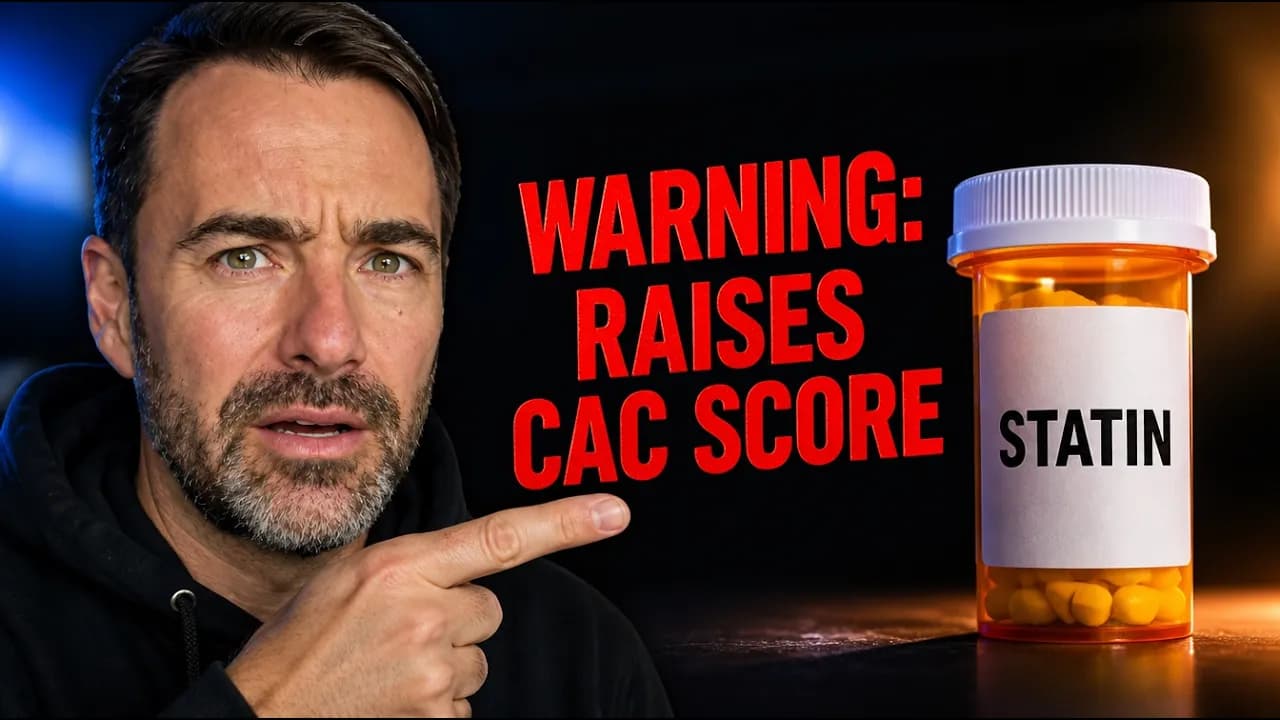
Statins lower the LDL number but leave insulin resistance and inflammation unaddressed. Plaque continues forming despite improved lab numbers. This represents treating the marker rather than the cause.
Instead of focusing solely on LDL, measure the actual drivers: triglycerides, blood sugar, insulin, inflammation markers such as CRP, and ApoB particle count. Address the upstream causes by cutting refined carbs, building muscle, losing belly fat, and improving sleep. When these changes occur, triglycerides fall because fat is now being burned, inflammation decreases, and statin dose escalation often stops for many people.
Statins are not the enemy and can save lives when used appropriately. The problem lies in using them as the foundation rather than as supplemental support. Lifestyle forms the foundation; medication provides targeted support where needed. This approach matters for maintaining capability, strength, and presence for family, work, church, and community responsibilities.
Dr. Jesus Vega joins the show. Dr. Brewer notes that he is viewed as outside both mainstream camps: those advocating high-dose statins and those claiming statins are entirely harmful. Dr. Vega confirms most patients following standard recommendations receive 40 mg of atorvastatin.
High-dose statins carry several issues. They can promote insulin resistance, the very problem driving the disease process. Statins reduce inflammation associated with the process, but high doses are not required for this effect. Side effects occur beyond the nocebo effect, and dismissing patient reports as fear is a significant clinical error. Less than 5% of patients experience side effects with low-dose statins.
Alexandra, age 65, reversed diabetes through fasting and has rheumatoid arthritis managed with 50 mg Embrel weekly injection after discontinuing methotrexate. A carotid ultrasound one year prior showed soft plaque placing her in the 95th percentile for women her age. She received a prescription for 5 mg rosuvastatin but has not taken it due to side effect concerns. Her labs from May show triglycerides 73, HDL 70, LDL 149, VLDL 11, A1C 5.5. She weighs 152 pounds at 5'8" with a 33-inch waist. CRP is less than 1 and sedimentation rate is 6.5. She performs HIIT and climbs 30 flights of stairs in 10 minutes.
Rheumatoid arthritis represents an inflammatory condition where the immune system attacks joints. The associated inflammation increases heart attack and stroke risk at a level comparable to diabetes. Alexandra therefore faces two major internal risk factors for vascular disease. Her current biomarkers are favorable: triglyceride-to-HDL ratio of approximately 1, low inflammation markers, and good fitness level.
Dr. Brewer states that with both type 2 diabetes and rheumatoid arthritis, he would take a low-dose statin such as rosuvastatin 5 mg three times weekly. He would not take pravastatin and prefers rosuvastatin for its reliability across genetic variations. He also recommends CoQ10 or ubiquinol supplementation to mitigate potential side effects. Pitavastatin is another statin option he uses.
Step one is testing rather than guessing. A glucose tolerance test clarifies the degree of insulin resistance. Continuous glucose monitoring reveals blood sugar responses to meals. Step two is eliminating refined carbohydrates. Alexandra's favorable triglyceride-to-HDL ratio indicates she has already made this change. Exercise should include resistance training that produces a muscle burn sensation, not only cardio. Roadblocks such as rheumatoid arthritis require strategic supplementation and necessary medication. Lifestyle remains the foundation, with medication added where required.
Medication for inflammation support helps, but lifestyle must come first. Rheumatoid arthritis medications carry risks, yet they are necessary in many cases. Alexandra is already implementing the correct lifestyle measures.
Keep Thomas Fordham Brewer MD MPH in your library
Save the videos and channels worth coming back to, and find them again in one place.