U.S. Treasury's Secret Yen Intervention Signal Crashes Markets $700 Billion
In a Nutshell
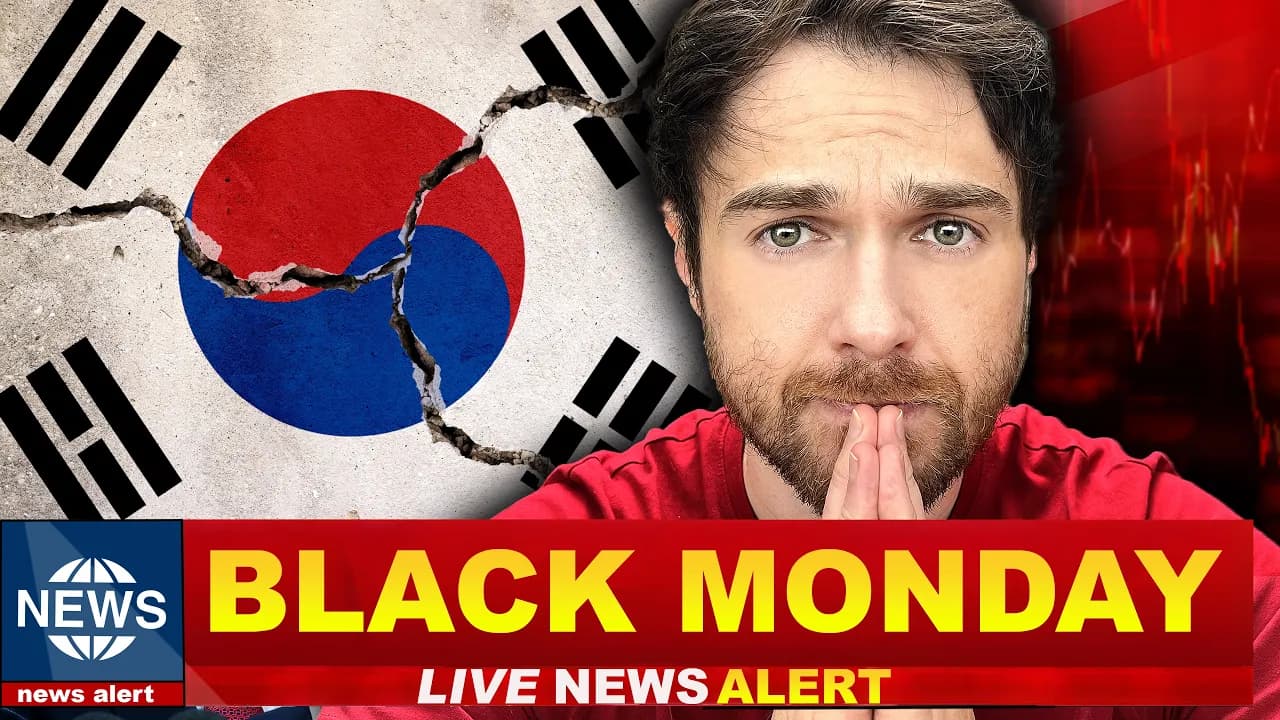
US Treasury's preparation for yen intervention triggered a $920 billion market crash in 40 minutes, unwinding the yen carry trade as investors rushed to close positions funded by cheap Japanese borrowing. Mega-cap stocks like Microsoft and Amazon saw extreme single-day swings of 14-15% amid the chaos, while South Korean markets experienced 3.4% of adults receiving margin calls from leveraged forex positions. The Bank of Japan's decision to hold rates steady and rising US yields exacerbated the selloff as capital fled risk assets.
These notes were generated by AI and may contain inaccuracies.
The US Treasury instructed banks to prepare for possible intervention in the yen, directly related to the carry trade. The Bank of Japan was scheduled to host a meeting regarding interest rate decisions. Rather than raising rates, the Japanese government injected substantial funds into the economy, continuing the carry trade dynamic.
The S&P 500 experienced a rapid reversal after the intervention announcement, creating an absolute bull trap. South Korean markets rose 18% following government intervention, while Japanese markets continued declining. Despite ongoing issues including AI uncertainty, overspending concerns, and Middle East tensions, these problems were temporarily ignored during the rally.
Microsoft gained 14-15% in a single day as a $3 trillion company. Amazon rose 15%, representing its largest percentage gain since 2012, for a $2.9 trillion company. These movements occurred despite already elevated valuations, which the speaker characterized as abnormal and irrational trading behavior.
The Bank of Japan decided to pause rather than raise interest rates. US yields are approaching "taco territory," meaning higher borrowing costs for the US government. The yield increase stems from uncertainty regarding US debt repayment, potentially influenced by government intervention needs for the Japanese market and Middle East escalation.
Nearly $1 trillion was wiped from US markets within 40 minutes after Reuters reported possible US intervention in the yen market. The S&P 500, which had been up 7% and added $540 billion in market cap, crashed 1.2% in 40 minutes, erasing $920 billion. Oil reclaimed $85 per barrel following Iran's retaliatory attack in Kuwait.
Hundreds of billions of dollars borrowed in cheap yen were invested in US stocks. A stronger yen forced these positions to close, unwinding the carry trade in real time. Rising US yields make market funds more attractive, pulling capital from the stock market and creating additional uncertainty.
Sandisk (Sand) dropped 4% after being up 7% earlier, resulting in a 13% decline. The stock had previously gained 25% in a single day for no announced reason, creating a 37% move from lows to highs. The speaker expressed unwillingness to participate in such volatility.
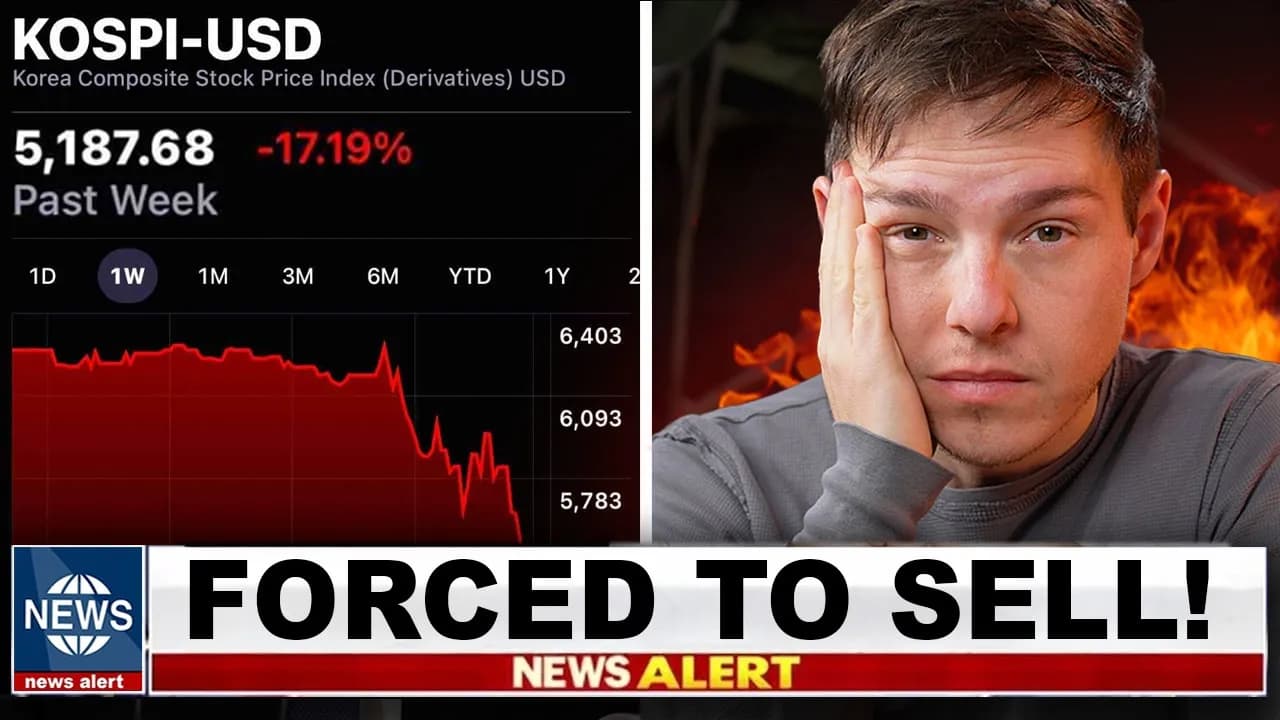
A 24-25-year-old fund manager named Leopold was liquidated after using forex leverage on high-risk assets at overbought levels. 3.4% of South Korea's adult population received margin calls, demonstrating the dangers of leveraged trading during market stress.
The greatest investors do nothing for extended periods, which requires avoiding forced selling situations. One day does not define market recovery. Buying the dip is acceptable, but aggressive leveraged buying when fundamentals remain unchanged is problematic. Leverage becomes destructive when positions move against the investor.
Michael Burry disclosed adding to shorts on AI companies. The speaker plans to monitor whether markets recover or produce another leg down to retest previous lows. Live trading sessions with the LPP team are available for review, with subscription pricing tied to market performance.
Keep Ricky Gutierrez in your library
Save the videos and channels worth coming back to, and find them again in one place.