WARNING: INFLATION IS ABOUT TO RISE AGAIN...
In a Nutshell
Markets rallied on cooler-than-expected CPI data driven by June's sharp oil price drop after the ceasefire, but oil is already rebounding in July with the Strait of Hormuz still closed, setting up higher inflation readings next month. IBM crashed 25% on weak earnings and guidance, while semis rebounded as markets trade sideways with no clear direction. Traders should watch oil-driven inflation risks and consider staying in cash rather than forcing trades in uncertain conditions.
These notes were generated by AI and may contain inaccuracies.
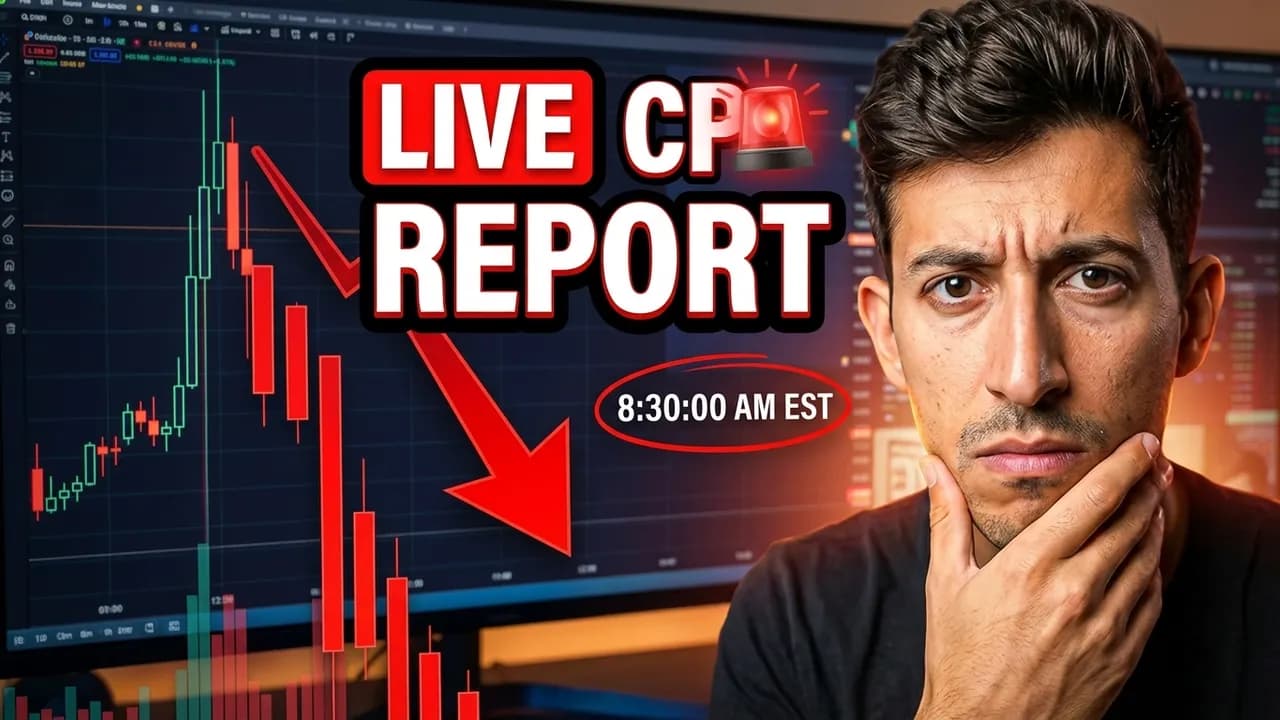
Markets are incredibly volatile today due to the CPI data report. The NASDAQ is up 1% and was already in the green prior to the report release. Market participants were anticipating CPI to come in much lower than expected. Some voices claimed the report was rigged or manipulated, but oil price data supports the reported decline.
Oil prices dropped significantly in June. UCO traded around 47 early to mid-June after peaking in May, then fell to lows of 31 from highs of 50. Oil has been one of the biggest contributors to the inflation rate, especially during the ramp-up caused by Middle East conflict and the closure of the Strait of Hormuz. Month-over-month, oil has driven the largest gap-ups in inflation readings. The June retracement in oil prices was therefore expected and explains why CPI came in better than forecasted.
The improvement is attributed to the ceasefire that emerged in June, which allowed oil prices to drop. Credit given to the new Fed chair is misplaced because the chair took no action. The decline simply tracked the ceasefire and lower oil prices. Anyone with access to a trading platform could see oil prices falling in real time.
The overall CPI report showed a 4% decrease, moving from 4.2% down to 3.5%. Core CPI fell from 2.9% to 2.6%. Both headline and core readings came in lower than expected, representing a success for markets. Markets have every right to celebrate the data.
UCO is already rising again in July. If the Strait of Hormuz remains closed and attacks continue, oil prices will likely climb, pushing future CPI readings higher. Oil remains the main driver of inflation at present. Continued oil price increases due to the strait closure mean inflation is expected to rise again in coming months, potentially leading markets to factor in higher inflation and sell off.
Yesterday Trump initially announced a 20% oil fee on Gulf States tied to trade and investment deals into the US, framed as payment for guarding the Strait of Hormuz. He later stated the fee would be replaced with investment deals in the US. The frequent public sharing of unconfirmed ideas raises questions about discretion until plans are solidified. The move appears designed to create the perception that money will flow back into the US economy.
IBM stock crashed 25% this morning and is currently down 24% after reporting worse-than-expected earnings and significantly lower guidance. The biggest concern cited is that major companies investing in AI are shifting toward memory or storage-based chip companies rather than IBM. Demand for IBM offerings appears to be decreasing. When companies are priced to perfection, corrections follow when results fall short.
The sharp drop may represent an overreaction. Investors who believe IBM is oversold can perform due diligence, create a plan of action, and manage risk accordingly. Some may view the decline as a potential oversold reversal opportunity and consider buying the lows to test for recovery.
Semiconductor stocks are performing strongly today. SanDisk, one of yesterday's biggest losers, is up 5.4% today. The South Korean company that drove negative sentiment yesterday is also trading higher, at one point up over 18%. Markets are rising overall, contributing to the sector rebound. Understanding what is positively or negatively influencing price action helps investors decide whether to participate in momentum or stay on the sidelines.
Inflation is currently dropping, but rising oil prices in July due to the ongoing Strait of Hormuz closure mean inflation is likely to rise again when July data is reported next month. Markets are currently trading sideways, creating favorable conditions for scalpers while remaining boring for longer-term investors. When markets lack clear direction, cashing out is a valid option rather than forcing trades.
Keep Ricky Gutierrez in your library
Save the videos and channels worth coming back to, and find them again in one place.