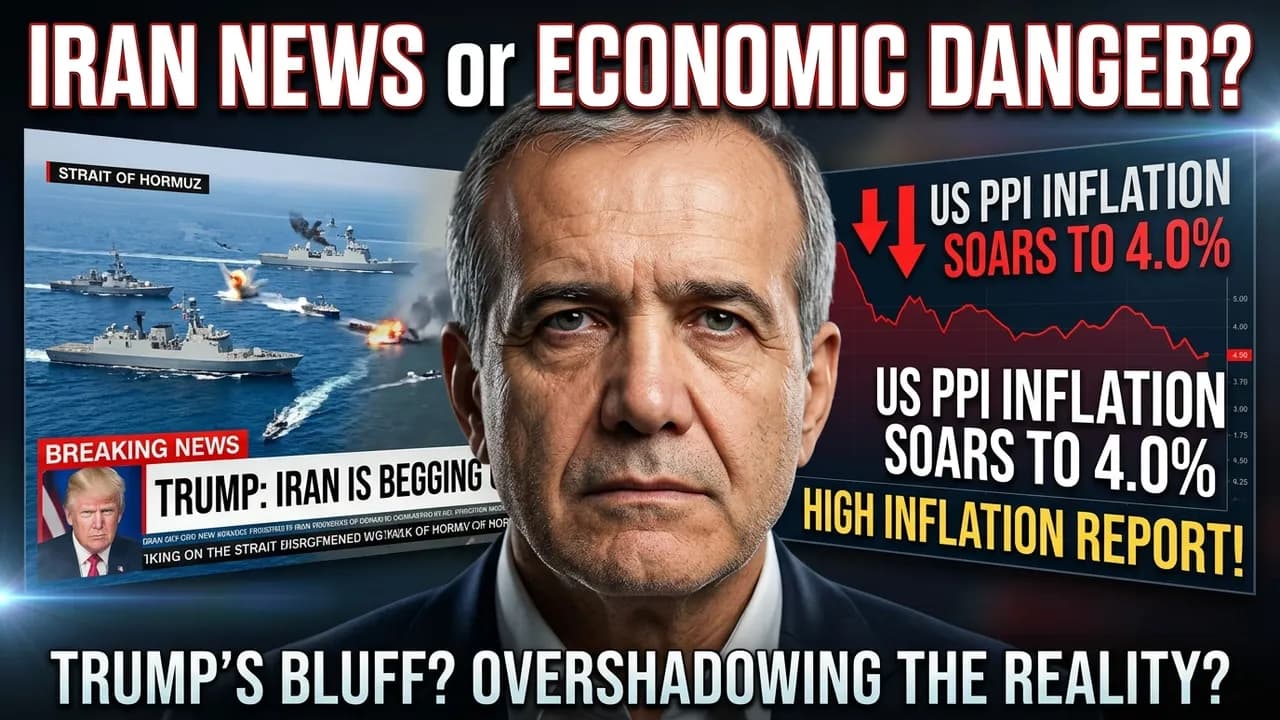
WARNING: U.S. military officially began blockade of the Strait of Hormuz.
In a Nutshell
US military has begun blockading the Strait of Hormuz amid a ceasefire, sparking initial NASDAQ plunge to 600 support before sharp recovery; markets could rally higher without Iranian attacks or tanker disruptions, but escalation risks oil spikes, inflation, and drops. Tuesday's PPI report looms critical—expect core 3.9-4.2%, overall 3.4-4.6%—potentially signaling hotter inflation than recent 3.3% CPI, delaying Fed rate cuts or prompting hikes amid weak labor and high housing costs. Stay alert for attacks vs. de-escalation to decide: buy dip, go long, cash, or short.
These notes were generated by AI and may contain inaccuracies.
The US blockade has officially started. NASDAQ gapped down to lows of around 600 in overnight hours opening at 5:00 p.m. Arizona time on Sunday, found support at 6:04, and made a sharp recovery. Announced to LPP team to take profits to play it safe, as patterns over past six to seven weeks show markets often recover into the green by Monday open or close. This recovery coincided with the US military officially beginning its blockade of the Strait of Hormuz.
If no further attacks occur and oil tankers pass through, that's a win, giving markets reason to push higher. Since ceasefire announcement, markets trade higher despite Trump stating: > if any of these ships come anywhere close to our blockade, they will be immediately eliminated using the same system to kill that we use against drug dealers on boats at sea.
This was said to Iran about 20-30 minutes after blockade start. Markets can justify recovery if blockade succeeds without attacks. If Iran escalates with attacks, ceasefire ends, no de-escalation, markets fall.
Consistent higher highs and higher lows, regardless of economy's state. Markets are irrational, get ahead of themselves, crash hard and quickly due to prolonged effects. NASDAQ trading well, no breakout pattern yet, proper alerts set. Markets have reason to recover.
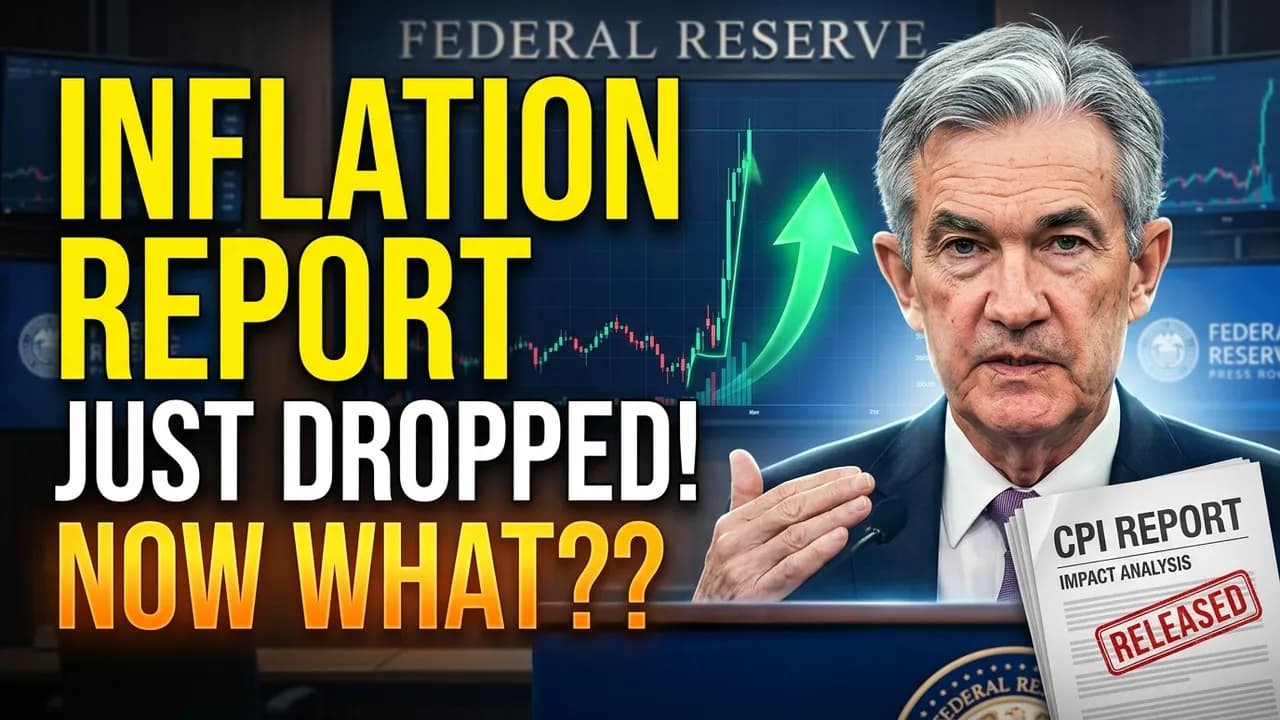
Last week, CPI data showed inflation gapped up in March to 3.3% overall before seasonal adjustment (previously noted 0.9% monthly increase). This week, PPI report (Producer Price Index) on Tuesday, one hour before market opens.
Last month's PPI caused markets to slide lower as inflation worse than expected; PPI often forecasts CPI as costs pass from producers to consumers. Expectations:
- Core PPI: 3.9% to 4.2%
- Overall PPI: 3.4% to 4.6%
Against Federal Reserve's 2% CPI target; now at 3.3%.
Middle East has negative implications, but real issues include weak labor market, expensive housing due to higher rates, higher inflation raising costs for consumer goods and businesses. Federal Reserve can aid via monetary policy like cutting rates, but interesting to watch reactions.
If PPI higher than expected, Federal Reserve unlikely to cut rates in 2026. Higher inflation could lead to rate hikes. Higher rates make borrowing more expensive.
Focus: any attacks? No attacks means markets sustain elevated levels. Attacks end ceasefire, escalate, oil prices rise, inflation rises, markets drop due to uncertainty and risk.
Are you preparing to buy the dip, go long, stay cash, or short if another leg down?
Live trading session tomorrow for complete beginners; link in description. End year on green note.
Keep Ricky Gutierrez in your library
Save the videos and channels worth coming back to, and find them again in one place.