We NEED to Talk About Statins
In a Nutshell
Statins are overprescribed for primary prevention based on LDL thresholds, yielding minimal absolute risk reduction (e.g., NNT in hundreds) while ignoring root causes like insulin resistance and metabolic disease, driven by pharma profits and simplistic doctor practices. For secondary prevention with plaque, low-dose rosuvastatin (e.g., 5mg 2-3x/week) offers anti-inflammatory and plaque-stabilizing benefits with fewer side effects like diabetes risk compared to high doses. Prioritize a 4-step framework: detect issues via advanced tests (CIMT, calcium score, fractionation), reset metabolism through lifestyle, use supplements, and add low-dose meds only for high-risk cases—never chase LDL numbers alone.
These notes were generated by AI and may contain inaccuracies.
Over 200 million people take statins daily, making them one of the most prescribed drugs in history, yet people still have heart attacks. Doctors overprescribe statins, especially high-dose ones. Not the patients win from this. Discussion on whether statins are necessary to avoid heart attacks and Dr. Ford Brewer's approach after 40 years in prevention. Dr. Brewer with Dr. Jesus Vega.
In the US, current guidelines mean 40% or more of older adults qualify for statins for primary prevention (patients appear healthy, no prior cardiac event or cardiovascular diagnosis). Doctors prescribe based on LDL levels: used to be over 120, then 100, then 70, now some guidelines say 55. Standards committees say it's more than just LDL, but doctors treat it as such.
Primary prevention benefit-harm math does not hold: NNT (number needed to treat) is very large; risk reduction over 5 years often single digits. Relative risk vs absolute risk key issue.
Example: One major trial reported 46% relative reduction in strokes, but absolute risk was 1.3% (13 fewer strokes per 1000 people over 4 years). Patients shown 46%, not 1.3%. David Diamond discussed this. Guidelines expanded qualifiers, increasing NNT and dropping absolute benefit further with lower LDL threshold to 55, without updating benefit communication.
Doctors use LDL as threshold because it's simple: check blood test, prescribe if over threshold. LDL called "bad cholesterol," but not really. Evidence for LDL role in heart disease is real and substantial, but prevention shouldn't begin and end with LDL. Cardiovascular risk is multifactorial.
Little conversation about reversing insulin resistance. Doctors know diabetes/pre-diabetes rots arteries but don't diagnose it: 3/4 of internists, cardiologists, family practitioners don't know how to diagnose pre-diabetes/insulin resistance. 90% missed.
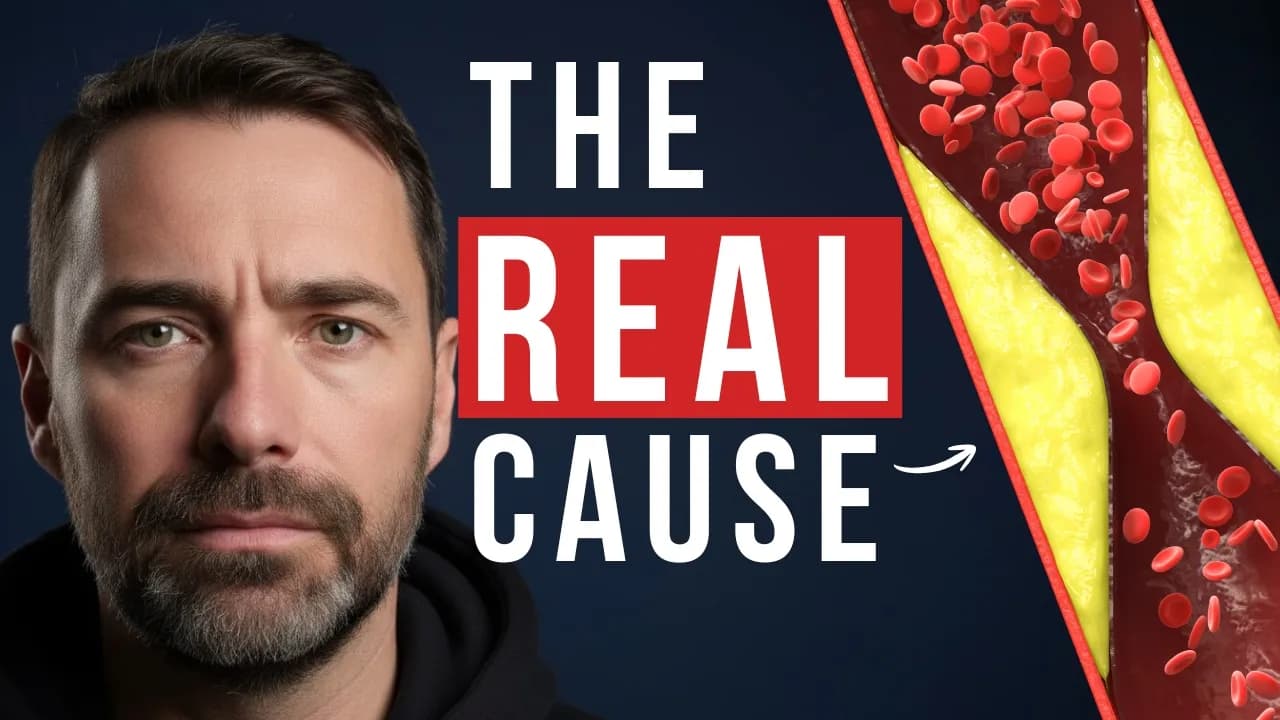
Inflammation discussed but root cause not addressed: pre-diabetes, metabolic disease, plaque vulnerability (decides if plaque ruptures). Doctors incentivized to write scripts, not educate. Patients get statin without discussion of causes.
LDL often biomarker of uncontrolled metabolic disease, not the whole picture.
Statins generated $1 trillion global sales; US market $4.5 billion in 2023 despite most (Crestor, Atorvastatin/Lipitor) off-patent. Livalo/Pitavastatin still patented, driving chunk. Still growing with generics; incentives for brand names.
Doctors receiving drug company payments prescribe more brand-name statins. Every extra $1000 in payments increases prescriptions. Dr. Brewer never received pharma payments.
System profits: diagnostic testing, risk-scoring software, lifelong therapy over lifestyle/metabolic health. Financial pressure for more prescriptions, higher doses, more patients, lower LDL thresholds, despite good intentions.
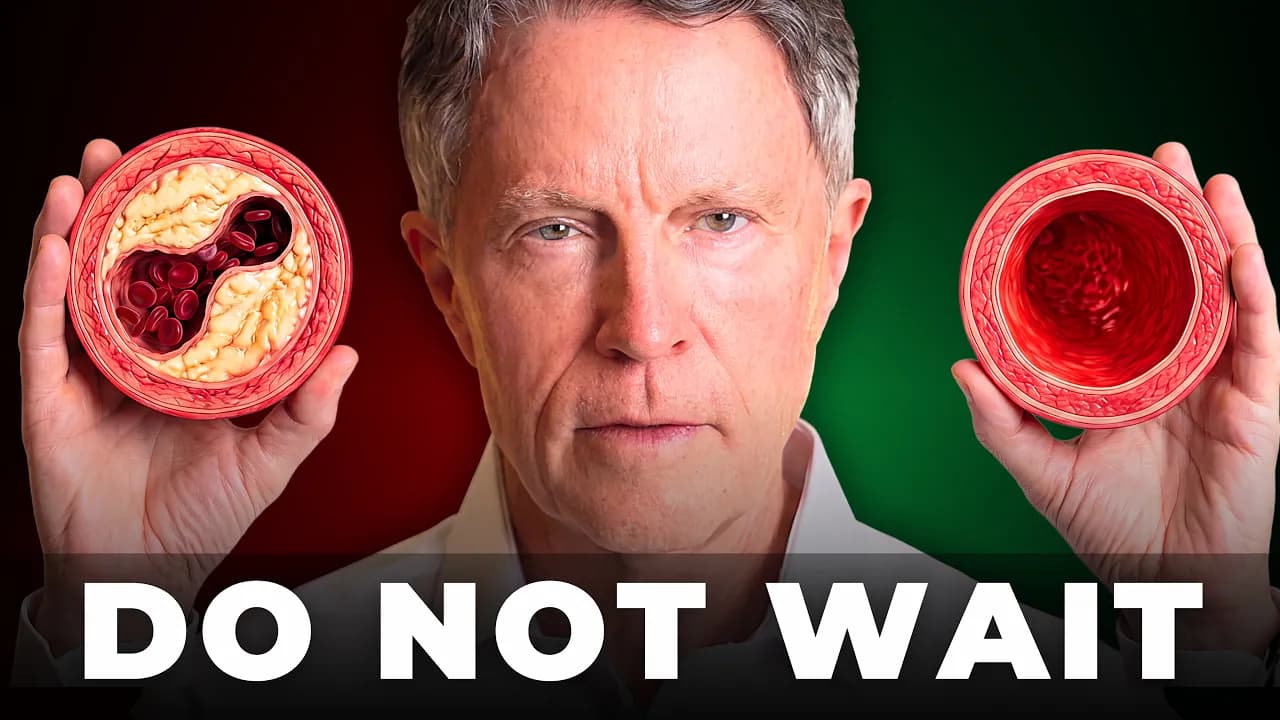
For patient with coronary plaque (secondary prevention), triglyceride/HDL ratio <1 (low), no need for statin based on LDL alone. Use for inflammation, anti-inflammatory diet, supplements/meds stabilizing soft/mixed plaque, plus tests like calcium score, CIMT, blood tests.
Standards say if no plaque, no statin (over 5 years). But calcium score zero misses soft plaque (only shows calcified/stabilized plaque). Use good CIMT + calcium score.
Recommend statins for plaque (soft or stable). Studies like Honda study: stable plaque risk same as no plaque. Dr. Brewer has stable plaque, great lifestyle, negligible soft plaque, still takes low-dose rosuvastatin 5mg 5, 2, or 3 times/week (not daily high-dose like Crestor 40mg). Avoids side effects (diabetes highway, muscle issues), adds protection.
No conclusive study for low-dose statins in cleaned-up lifestyle/stable plaque patients (risk like no plaque). Dr. Brewer does it due to age (almost 69), metabolic risk (pre-diabetes/full diabetes), aging causes insulin resistance spike (not gradual: stable then kaboom). Examples: long COVID spiked insulin 60-80 to 160-180; poor sleep increases insulin resistance 48-72 hours unnoticed.
Recommends low-dose rosuvastatin 5mg (not high/mid-dose), not daily; low-dose aspirin if plaque.
CIMT (carotid/femoral) every 3 months excessive. Monitor fractionation, inflammation, lifestyle. Once/year sufficient if good imaging and factors handled. Excessive like overdoing statins.
Tree Lady: 5mg/week dropped LDL size to low range from large (fluffy LDL safer than small dense).
Discussion on fluffy LDL particles being safer and small, dense LDL particles being more dangerous. Tree Lady shares experience with particle size changes possibly linked to statin use. Question: Did these changes happen simultaneously? Have you backed off the statin to check if they persist or reverse?
Fractionation measures particle size, helpful for monitoring metabolic status. Expect variation due to metabolic changes or unexplained factors. Rarely attribute smaller particles directly to statins.
Analogy of bowling balls (small dense LDL) vs. beach balls (fluffy LDL) is misleading. Small dense LDL relates to pulling ApoB for atherosclerosis-prone particles carrying triglycerides, a biomarker of metabolic disease.
Small dense LDL can be inflammatory in paper and mouse studies, penetrating artery wall, attacked by immune cells, causing inflammation and plaque. In human trials, its impact dilutes; oxidized LDL not most important marker. Space in artery wall allows most LDL sizes through. Large fluffy LDL less concerning than IDL or VLDL (remnant cholesterol) rich in triglycerides, more dangerous.
In lipid fractionation, focus less on LDL size, more on inflammation, HDL particles. HDL penetrates artery wall, absorbs cholesterol/triglycerides from LDL, returns to liver.
Dr. Malhotra claims statins add couple days to life; Gil Carvalho argues misunderstanding. Danish meta-analysis of statin trials for secondary prevention (post-heart attack patients) showed average 4-day life expectancy gain. Not defined by plaque or metabolic disease clarity.
Cardiologist John Mandrola notes 4-day average misleads: high-risk patients gain years by avoiding fatal events; low-risk gain little.
Relative vs. absolute risk key. High-risk with plaque: years gained. Healthy 20- or 40-year-old: almost nothing. Average depends on group.
Gil Carvalho: Benefits build over time; 5-year trials miss lifetime protection, substantial for high-risk. For low-moderate primary prevention (no heart attack, good lifestyle, biomarkers): modest absolute benefit, real harms, treat many to help one.
Four days is the right answer to the wrong question. Are you high-risk gaining years or low-risk gaining side effects?
Lifestyle first; no drug saves life alone. Four-step program:
- Step 1: Detect root cause, test.
- Step 2: Reset metabolism via lifestyle.
- Step 3: Target with supplements.
- Step 4: Treat with medications (last resort).
Call 859-721-1414 for programs with Dr. Brewer, other providers, or health coaching.
High-dose statins problematic due to side effects like muscle pain, insulin resistance, diabetes.
Start with four steps: Understand problem (step 1), lifestyle (step 2), supplements (step 3), medications (step 4). Many skip to meds.
Labs crucial; avoid garbage in/garbage out with AI like ChatGPT/Claude on standard LDL tests. Use advanced: OGTT, fractionation, true biomarkers. Heart Reveal Lab panel for inflammation, team interpretation.
Statin side effect: insulin resistance. Gold standard euglycemic hyperinsulinemic clamp drips insulin and glucose to maintain blood sugar; glucose amount shows cell response.
High-dose atorvastatin (Lipitor) increases insulin resistance 8-24% in weeks, no diet/weight/exercise change. Multiple meta-analyses confirm statins (especially high-dose) raise type 2 diabetes risk. Pitavastatin (Livalo) exception, still patented, high revenue.
Risk highest in prediabetes/insulin resistance, major heart disease driver (undiagnosed, promotes inflammation/plaque). Statin reduces one risk, worsens another.
Trial design flaw: Remove early side-effect patients pre-study, underreporting real-world incidence. NHANES: 50% metabolically compromised, 90% high-dose statins cause diabetes acceleration.
Diabetes 5-8x heart disease risk vs. high cholesterol. LDL focus waits for diagnosis (5-7 years late damage).
Vin Hoang: Calcium score 2100, cardiologist prescribes 10mg rosuvastatin daily. CIMT says no heart attack in 5 years.
CIMT not for 5-year predictions. Don't use 10mg daily rosuvastatin; use 5mg 2-3x/week (10-15mg/week vs. 70mg/week daily). Rosuvastatin causes insulin resistance.
Post-heart attack: Maximal statin or triple therapy (low-dose statin + ezetimibe + PCSK9)? All lower LDL, but check diabetes/prediabetes first (step 1).
High-dose definitions: Rosuvastatin 20mg = atorvastatin 40mg (potent). 10mg rosuvastatin or 20mg atorvastatin mid-range (some call low). Consider daily vs. intermittent.
Low-dose rosuvastatin + ezetimibe reverses plaque (Japanese studies).
PCSK9 inhibitors for high LDL (1/30-40 patients, e.g., 400-500). Many lean mass hyper-responders (triglycerides 40, HDL 70, good plaque on CTA) opt out. True familial hypercholesterolemia or high Lp(a) may use for belt-and-suspenders + metabolic focus. Less pushback on cost now. PCSK9 best for lowering Lp(a), beats supplements/niacin.
Fix your lifestyle first, and if you still see high LP(a) and remain concerned, you can lower it, although the evidence isn't substantial to say you must lower it to avoid a heart attack. It provides peace of mind, like having suspenders and a belt.
Neither speaker is anti-statin, but they use them differently. As a med student, one speaker attended conferences sponsored by pharma companies at nice hotels with free food, where doctors promoted their drugs, creating bias toward those medications. Reps are often attractive young females who downplay side effects, saying statins are safe enough since not many experience issues.
Shout out to Zippy Doodah for becoming a member.
One speaker's dad jokingly signed something "Zippy Doodah, daddy-o" on a football cushion, hitting the hippocampus.
Speakers feel beat up by both sides: those like Gil Carvalho pushing LDL as killer and statins as essential, and those like Asim Malhotra saying statins kill and LDL isn't a problem. They're neither.
Statins have real evidence for secondary prevention in patients who've had a heart attack: treat 80 over 5 years to prevent 1 death—modest but real.
Doctors often act as authority figures dictating treatment rather than guides providing information for patient choice. Some patients choose statins, others don't. Early practice saw over half of plaque patients reject statins; now, with informed channel viewers, it's about 10%. Speaker has plaque and takes a statin differently.
Recommend for patients with established cardiovascular disease, very high LDL, familial hypercholesterolemia (FH), or LDL 200-300+. Even FH patients often develop issues in their 50s due to metabolic disease, so start with step 1 of 4 steps: understand the problem.
For high-risk primary prevention (not blanket), benefit-harm balance is positive. Problem is applying high-risk logic to low-risk populations, ignoring step 2 (lifestyle changes), which provide greater benefit with fewer harms in low-moderate primary prevention.
Statins work for the right patient; mistake is not identifying who that is and overprescribing to rush through appointments.
Confirm: statins recommended for evidence of arterial disease.
Statins have pleiotropic effects (from "pleo" meaning many; like Pleiades seven sisters)—effects beyond original intent. Key benefits: C-reactive protein (CRP) reduction, inflammation reduction, Lp-PLA2, microalbumin-creatinine ratio, plaque stabilization.
Research over 30 years: Paul Ridker and Gavin Blake at Harvard/Brigham and Women's (JUPITER trial, West of Scotland trial) noted fewer events even when LDL wasn't lowest, suggesting inflammation role. Confirmed over decades; anti-inflammatories like NSAIDs don't help CV risk, but specific vascular inflammation does.
Rheumatoid arthritis and psoriatic arthritis increase CV risk as much as full diabetes.
Low-dose statins impact vascular inflammation (CRP, microalbumin-creatinine ratio), stabilize soft plaque full of cytokines, macrophages, polymorphs (immune cells making it rupture-prone and clot-causing). Improve endothelial function, intima lining, glycocalyx.
Benefits at low doses; diabetes signal and muscle problems are dose-dependent. Practice sees few side effects at low doses, confirmed by patients.
Framework: low-dose statin as anti-inflammatory tool, started only after evidence of past inflammation via plaque. Even then, prioritize step 2: aggressive lifestyle changes to reduce insulin resistance (proper weight loss, sleep, diet, decrease glycemic carbs). Step 4 may include low-dose aspirin and statin.
Not chasing cholesterol targets; chasing inflammation, insulin resistance, plaque vulnerability. Use CIMT or CTA with AI to visualize plaque.
Guidelines focus on LDL to 55 but deeper reading supports complexity beyond cholesterol. Standards support imaging-guided, inflammation-first approach.
Goal is not a lab value. It's to stabilize the plaque that kills you.
Danger of weaning off statins depends: some say very dangerous, others not. Go to step 1: what is your risk? Low-dose statins help higher-risk without high doses. Key questions: insulin resistance level, drivers, management strategies.
Red yeast rice contains monacolin (active ingredient of original statins), assumed safe as natural supplement. But original statins were more dangerous than modern ones; don't recommend due to safety issues. No quality control in supplements—you may not get what's claimed. Safer to use known low-dose prescription statin if needed; never combine with statin.
Doctor wants 5mg rosuvastatin (Crestor) for total cholesterol 236—old-school lipid panels using only total cholesterol/triglycerides tell nothing useful.
Contact to become patient: 859-721-1414, link in description/pin comment. For labs: Heart Reveal panel, link in description/pin.
Growing old is not for sissies, but it's a lot easier with healthy arteries.
Keep Thomas Fordham Brewer MD MPH in your library
Save the videos and channels worth coming back to, and find them again in one place.