Why the stock market is crashing (And what I am doing)
In a Nutshell
Rising bond yields and $2T annual interest payments are forcing a market reckoning, with the 30-year Treasury at 19-year highs. Japanese and South Korean markets are already crashing from leveraged overbought positions, while Trump’s tariff pause and tweet signals remain the dominant market-moving variables. The core takeaway is that leverage at elevated levels—not the underlying assets—drives forced liquidations, and the speaker is staying cautious until the FOMC minutes clarify direction.
These notes were generated by AI and may contain inaccuracies.
NASDAQ experienced a bearish day following ongoing news developments discussed in previous sessions. The market is responding to red flags that have been present, though timing of market reaction remains uncertain.
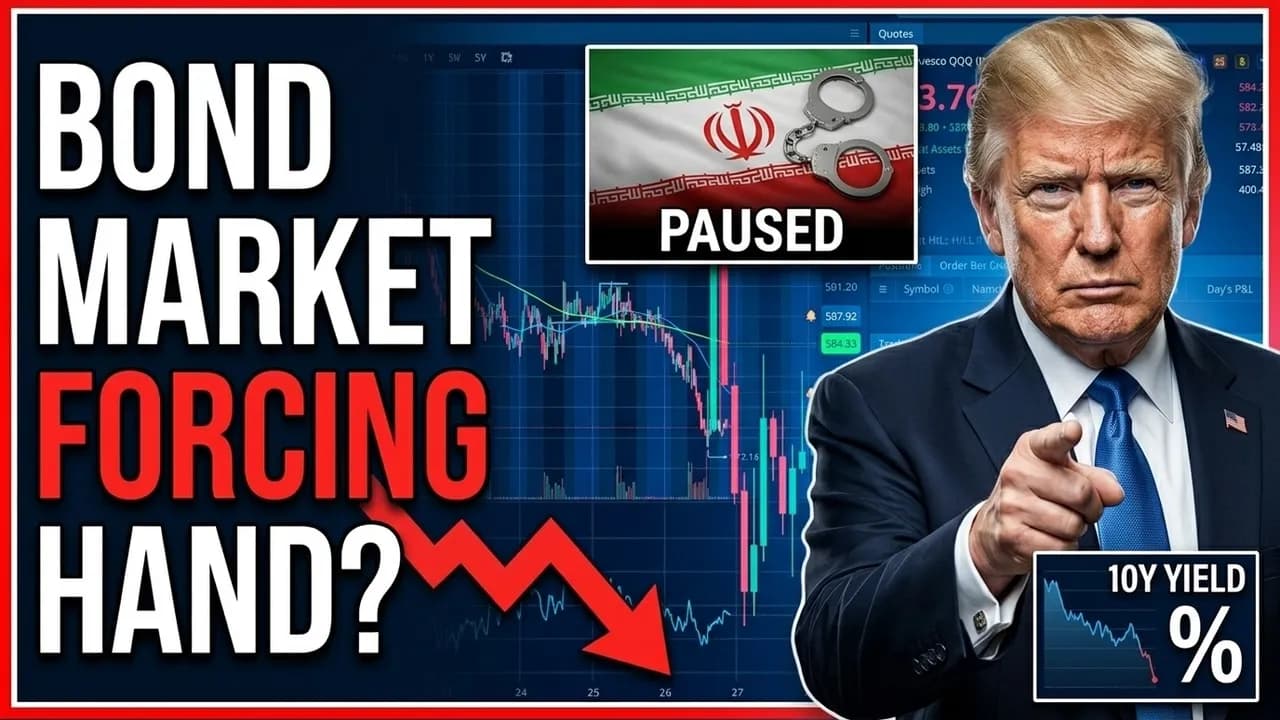
Bond and treasury yields continue rising, creating a situation the US cannot ignore. The federal government pays nearly $2 trillion in interest payments on borrowed money. 42% of federal income tax revenue goes solely to interest payments, rather than Medicare, Social Security, military, or defense spending.
This represents a politician issue rather than partisan politics, as both parties have contributed to mismanagement of funds. Despite campaign promises, deficit reduction efforts have not materialized and the debt has increased.
The US 30-year bond yield reached 5.334%, marking the highest level in 19 years. Market concern about yields fluctuates based on sentiment and external factors.
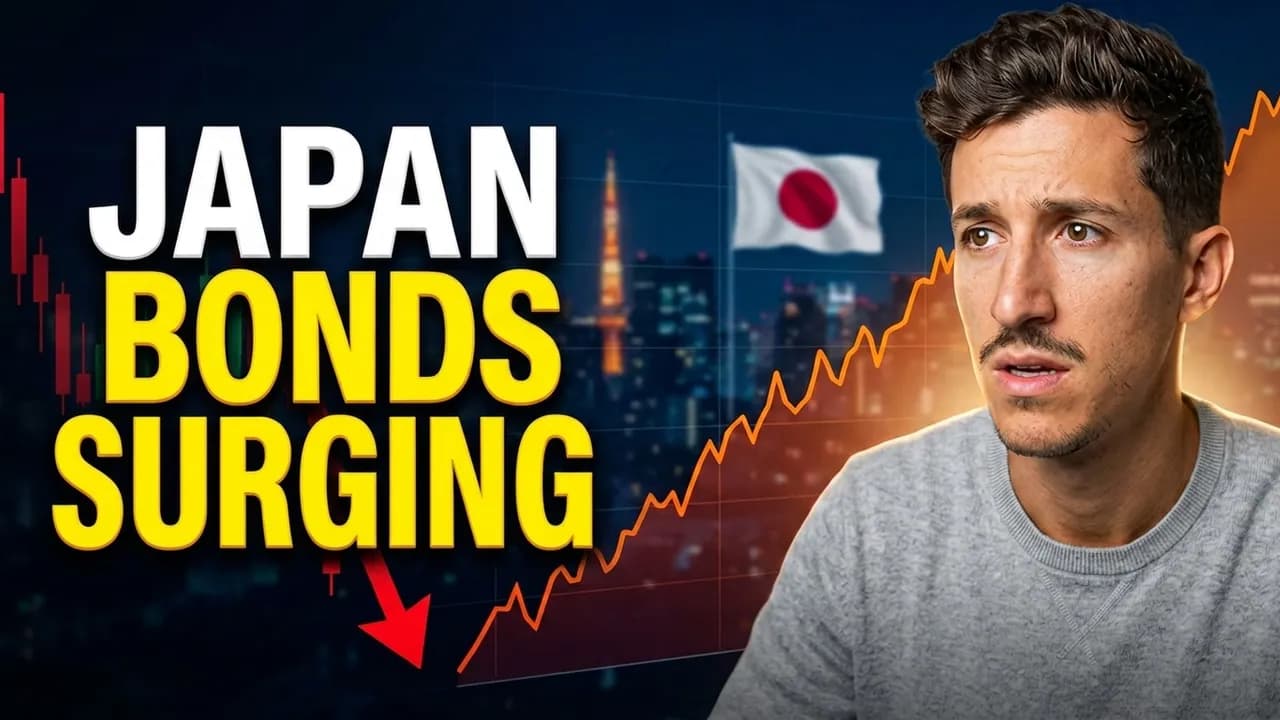
The Nikkei crashed 3%, extending its sell-off into a second consecutive day. $225 billion USD has been wiped from Japanese stocks. This market decline is expected to impact US markets.
Over 3.4% of South Korea's adult population has received margin calls. The key lesson is that the problem stems from using leverage at overbought levels, not from investing in high-performing assets. Investors without leverage cannot be forced to sell their positions.
Markets previously ignored concerning developments due to a peace deal signaled by Trump via tweet. The NASDAQ and S&P 500 returned to near all-time highs based on this signal, moving from lows of 660 to highs of 735. However, none of the signaled agreements proved true.
Chip stocks were selling off during this period. FOMC rate decisions were expected to include rate hikes according to Citadel Securities, injecting additional market fear.
Margin calls and liquidations occur exclusively when investors borrow money they don't possess. Platforms require sufficient cash to cover positions when markets move against leveraged positions. The core issue is borrowing at overbought levels rather than the underlying investments themselves.
Trump paused the planned 50% tariff scheduled for the following morning, extending the pause for a 3-day period. Trump stated that US and Canada have reached a deal, though verification remains pending.
Carvana (CVNA) faces fraud allegations with CEO Mark Walter under investigation. The stock previously moved from lows of $3 to highs of $75 during the post-pandemic rally, then crashed to 71 cents before recovering to $97. Current trading levels do not reflect a significant premium, though caution is advised pending investigation outcomes.
Live trading session resulted in $5,600 profit. A 7% drawdown occurred on Micron if held overnight, though the actual market range from open to close was approximately 2.4%. A small short position on CoreWeave generated $500 after the stock broke below $100.
NASDAQ has strong support based on previous levels. Breaking below the moving average and then below 700 would indicate a gap down scenario. Current market direction depends on multiple factors including bond yields, Japanese market performance, South Korean market conditions, Iran relations, and tariff policies.
Market direction can shift dramatically based on Trump tweets regardless of other fundamental factors. The approach involves monitoring news developments and allowing markets time to establish direction before taking positions.
FOMC minute report scheduled for release at 2:00 p.m. Eastern time tomorrow.
Keep Ricky Gutierrez in your library
Save the videos and channels worth coming back to, and find them again in one place.