Artificial Sweeteners Cause Cognitive Decline? (NEW STUDY)
In a Nutshell
A large 8-year observational study linked higher artificial sweetener intake to greater cognitive decline, but this association is likely due to reverse causality: people already in poor metabolic health (higher BMI, diabetes, hypertension) use more sweeteners and are also at higher risk for cognitive issues. Randomized controlled trials consistently show no harmful effects on weight, glucose control, or cardiometabolic markers when sweeteners replace sugar, and some trials even show benefits for weight loss. The core takeaway is that artificial sweeteners appear metabolically neutral and are preferable to excess sugar, with the real drivers of cognitive decline being obesity, diabetes, and poor diet rather than the sweeteners themselves.
These notes were generated by AI and may contain inaccuracies.
The folks that used artificial sweeteners the most in the study had the most cognitive decline. How could sweeteners cause cognitive decline if that really is what's going on? So, we have finally have a study maybe by chance that shows artificial sweeteners are doing bad things, but hold on a second. How artificial sweeteners might affect health is not the same thing as strong evidence that they do affect health. So, should you stop consuming artificial sweeteners?
A massive study just came out. Gang Clawson et al. The study title is association between consumption of low and no calorie artificial sweeteners and cognitive decline in eight-year prospective study in the Journal of Neurology. Published in 2025. Eight years. 12,000 people included in the study. The folks that used artificial sweeteners the most in the study had the most cognitive decline.
The sweeteners examined included aspartame, saccharin, acesulfame K, acesulfame potassium, erythritol, xylitol, sorbitol, and tagatose. The paper reported associations for most of these with cognitive decline, except for tagatose.
This study design cannot establish cause and effect. It can only establish correlations, aka associations. Because no variables were purposefully altered and others maintained the same for us to be able to infer cause and effect.
A while back, another study found that artificial sweetener consumption was correlated with higher body weights, which led some people to conclude that artificial sweeteners actually cause body weight gain. But it turns out every time we ran an experimental study where we gave one group artificial sweeteners and the other group not giving them artificial sweeteners, the artificial sweeteners group lost just as much weight, sometimes more weight, than the group that wasn't given them. And so it turned out that it was just correlationary, and the reason it was correlated is because when you look at population size cohorts, guess who does more diet products? People trying to lose weight. Guess who's trying to lose weight? Fat people. So, when you look at who uses artificial sweeteners more, it's fatter people use them more because skinny people don't give a damn.
Gut Microbe and Brain Axis
This is probably the strongest idea for a shared pathway. Sweeteners have been demonstrated to alter gut bacteria and gut bacteria and brain signaling pathways. This is definitely a thing. It doesn't prove anything, but gut bacteria could be a mechanism.
Metabolic Dysregulation
If a sweetener worsens glucose control or insulin signaling in some people, it could hurt brain health indirectly. But this one's tough because most sweeteners just don't affect in humans glycemic control whatsoever. In animals, they can sometimes do that, but not in humans.
Inflammation and Neural Inflammation
This comes up mostly, but not only with aspartame, which it does have some studies linking sweeteners to oxidative stress, inflammation, mitochondrial problems, and even neurotransmitter changes. For aspartame, the suspected issue is often its breakdown products. But, the direct research on here hasn't been super supportive.
Cerebral Vascular and Endothelial Effects
For erythritol and xylitol and other sugar alcohols, it may be a cerebral vascular and endothelial situation because some studies found that more platelet activity and clotting potential was a thing after the intake of these artificial sweeteners. And erythritol may also impair tiny blood vessels in the brain from operating properly. Over time, that could plausibly affect cognition.
There's a phenomenon in science called the file drawer effect. A large fraction of the file drawer effect looks like this. Scientists do all kinds of studies. Some of them show the kinds of effects that would be like really worthy to publish, like stuff happened. But then other studies will be conducted and sometimes you conduct a study to test like eight or nine different things. You can publish a bunch of papers off of that study. But some of the variables just don't change, like there's no effect. And you typically don't on average, people don't like to publish papers that say nothing changed, nothing happened. And so if you have a study meta study that's done that studies 10 variable changes and only three variables change, you might get papers you know, one paper each on each one of the three things that changed. You might get a synthesis paper for the three things that changed and it might say, "Hey, by the way, these are the things didn't change." But you're not going to get an independent paper on each one of those things that didn't change. This is a very well-documented phenomenon. It happens all the time. It's happening less and less slowly, but it's still a big problem.
There are oodles and oodles of studies which have this file drawer effect phenomenon. And it ends up being that what is really going on, we don't see because we're only fronting what is interesting. It's like on social media, people post their best pictures and you think everyone looks like that all the time, but that's not true. And so there's probably a lot of research where they couldn't show artificial sweeteners doing diddly dick and it just never got published because it's not interesting to anyone. And so we have finally have a study, maybe by chance, that shows artificial sweeteners are doing bad things. That got gets published instantly because holy that's big news.
It turns out there are loads of studies that show that proteins, carbs, fats and damn near everything else in some instances will cause dysbiosis and inflammation. And so man, if that many things cause dysbiosis and metabolic dysregulation and inflammation in a bunch of different studies, like how does that make artificial sweeteners unique? And by the way, they don't cause all these things in the vast majority of studies, just in some studies here and there, which is why all those other mechanisms listed were just plausible mechanisms, not likely mechanisms.
If you measure enough endpoints in cells, rodents, stool samples, cytokines, metabolites, receptors, and gene expression panels, you can make almost any exposure look really gnarly. Animal research reviews specifically flag selective analysis, biased outcome reporting, and publication bias as reasons effects get chronically overstated from testing anything and seeing how it affects anything else. So yes, gut bacteria changed or oxidative stress marker moved or inflammatory pathway twitched is often a hypothesis generator, like, "Oh, this is a cool idea, let's study it more." rather than, "I hate this thing for sure is caused by this." The mechanisms of how artificial sweeteners might affect health is not the same thing as strong evidence that they do affect health.
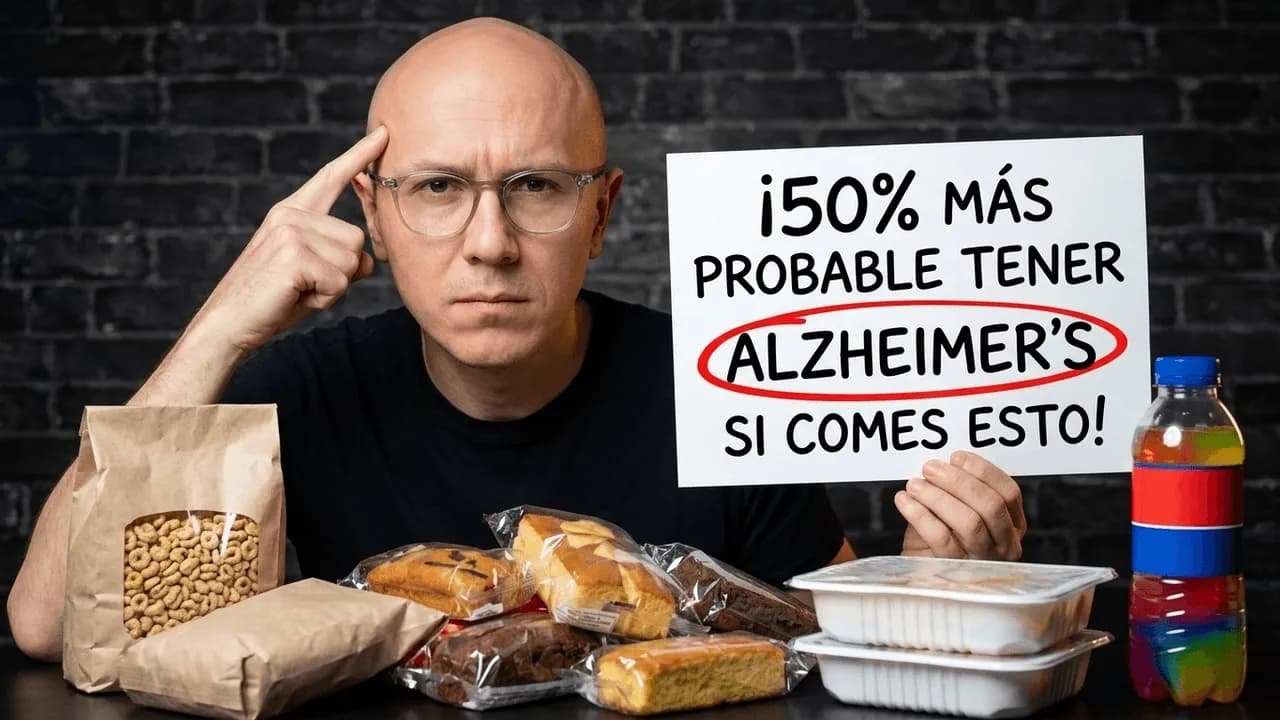
Directly from the study, the folks in the study who used more artificial sweeteners and thus had more cognitive decline also statistically had more of a chance of the following things: being diabetic, having a higher body mass index and more body fat, having higher blood pressure, having a higher incidence of diabetes, which leads to cognitive decline, had a higher consumption of ultra-processed snack foods, and more alcohol use. Also, more of these people than not were shown to be actively dieting to try to improve their health, which is another way of saying that they were assessed themselves to be in poor health to begin with.
This screams reverse causality like the older weight gain studies with artificial sweeteners where it was just the fat people using them so it looked like they made people fat. Now it's the people in really, really poor health using them and it's like surprise they have one of the downstream consequences of poor health, which is a degeneration of neural function.
The World Health Organization explicitly cautioned that evidence linking non-sugar sweeteners to bad long-term outcomes may be confounded by baseline participant characteristics and complex pattern of use. The UKSACN went even more bluntly about this and said that observational studies of sweeteners are highly vulnerable to reverse causality, the same thing we've been talking about, and residual confounding, other factors being responsible, because people may choose sweet and diet products because they are overweight or at metabolic risk rather than the products creating the problem.
Association studies are hypothesis generating. We get ideas and then we actually study them in randomized control trials where we manipulate very carefully certain variables to see how it affects others so we can get a direct cause and effect understanding.
A 2025 meta-analysis of nine randomized control trials comparing artificially sweetened beverages with unsweetened beverages found no significant differences in weight, waist circumference, fasting glucose, HbA1c, insulin resistance, lipid profiles, or blood pressure. An earlier 2022 review, systematic review and meta-analysis of 17 randomized control trials found that using low or no-calorie sweetened beverages instead of sugar-sweetened beverages improved body weight and some cardiometabolic risk factors along with that without any evidence of harm. There is also a one-year-long trial called the SWEET trial. It's a randomized trial and it found slightly better weight loss and maintenance with sweeteners and sweetness enhancers than without and no worsening of cardiometabolic risk markers. Even though in those studies gut microbiota changed. So the gut microbiomes changed and didn't affect seemingly any other part of their health spectrum and they actually had more success using artificial sweeteners than not using them.
Randomized control trials are a category level stronger of evidence than cohort association studies like this 8-year long 12,000 participant study was. So, if we're looking at the best kind of direct research, it shows that there's no reason to suspect that artificial sweeteners cause cognitive decline. And we already know diabetes, higher BMI, and all that other stuff those folks have absolutely do cause cognitive decline, never mind the alcohol consumption.
The probability that artificial sweeteners, especially from so many different classes, cause cognitive decline is very low. The probability that excess calories from sugar that lead to obesity cause cognitive decline is almost 100%. Consuming measured amounts of artificial sweeteners may be better than consuming infinite unlimited amounts for folks that read this and are a little bit put off, a little bit more risk-averse. But consuming less of the super unhealthy ultra-processed snack foods is probably the real insight, if anything.
If artificial sweeteners for you help with sweetness cravings and allow you to consume fewer calories because of it and hit your diet goals, keeping weight in the healthy range, this is a huge deal and almost certainly overpowers any of the other kind of effect these substances might have negatively on your health. And again, it's by no means clear they do, and all of the direct studies say they probably don't.
Metabolic syndrome and its associations of diabetes and obesity are proven causes of cognitive decline. Straight up. And so, we already know where to work there. The best recommendation for this reason is to stay the course and continue to use artificial sweeteners if you like as much as you like. That does not mean artificial sweeteners are free from criticism and guaranteed to be safe forever, but we need way better studies to cancel out all the studies that say they're totally fine and put up a huge volume of aggregate evidence to say, "Okay, now we know they're bad for sure." It's probably never going to happen, but if it does, it's going to be more than one study here and there. Sure as going to be more than one association study, and it sure as going to be more than one association study that people who have these problems are also more likely to be diabetic, more likely to have metabolic syndrome, and more likely to be a high consumers of ultra-processed foods and alcohol.
For the time being, the best understanding seems to be that artificial sweeteners are probably neutral for health, plain and simple. If they help you achieve your goals and have some fun along the way, they're totally great.
Keep Renaissance Periodization in your library
Save the videos and channels worth coming back to, and find them again in one place.