Protein Maxing and the Illusion of Nutrition Progress
These notes were generated by AI and may contain inaccuracies.
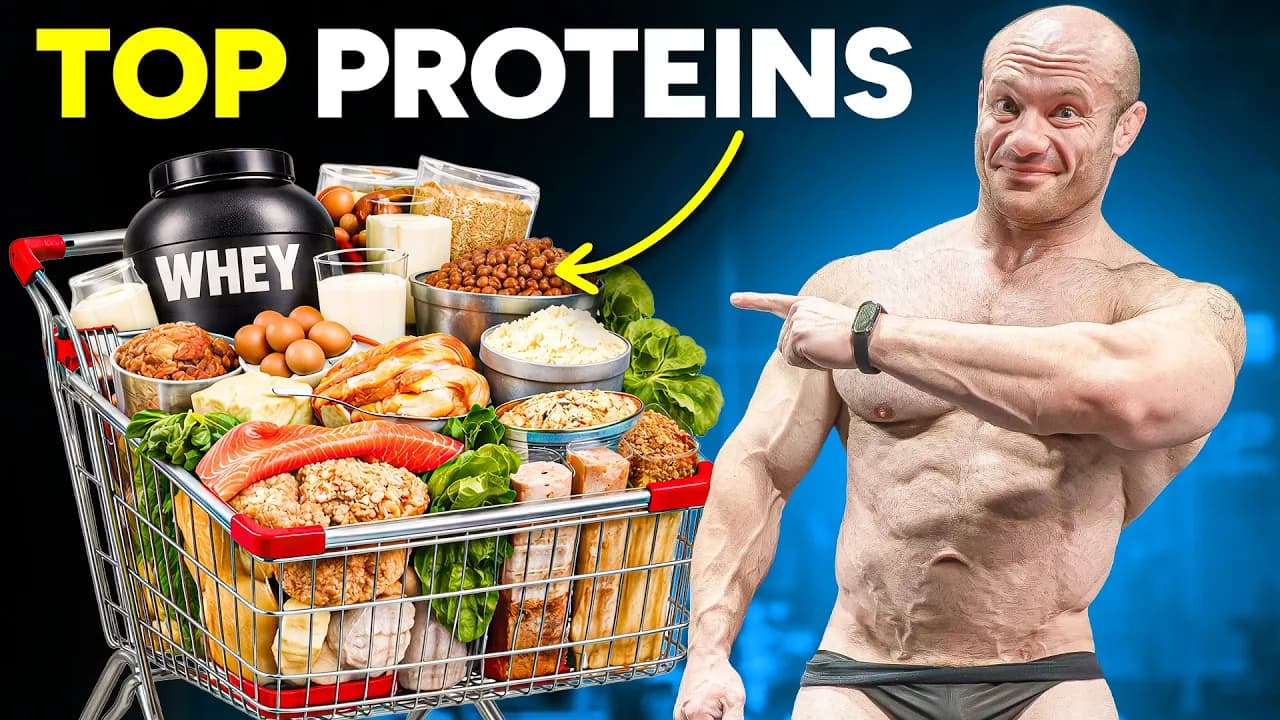
No doubt you've noticed we've entered the era of protein. First it was low fat, then paleo. Now we're full throttle into protein maxing. Everything has protein in it: protein ice cream, protein Cheerios, protein oatmeal, protein Starbucks, Kardashian protein popcorn, protein pop-tarts. At the pinnacle of this protein maxing moment sits the David bar. Why are people so divided on David? How optimal is it really? Or is it just a wall of biopsy that's also going to cost you a few extra rolls of toilet paper?
David Bar has the highest CFP metric (Calories from Protein) of any bar on the market. When eaten, some report pooping their pants. It's a gastrointestinal wild card. A study was terminated early citing safety concerns. Is 'only what's necessary' truth or just legally permissive marketing?
Housekeeping: Normally avoid reaction content unless public interest meets personal curiosity and offers meaningful insight. This clears the bar.
Video structure:
- Chapter 1: Why we're in the era of protein maxing.
- Chapter 2: Why David Bar is a case study in genius marketing.
- Chapter 3: Formulation of the David Bar and reasons to tread with caution.
- Chapter 4: Controversy around central ingredient EPG.
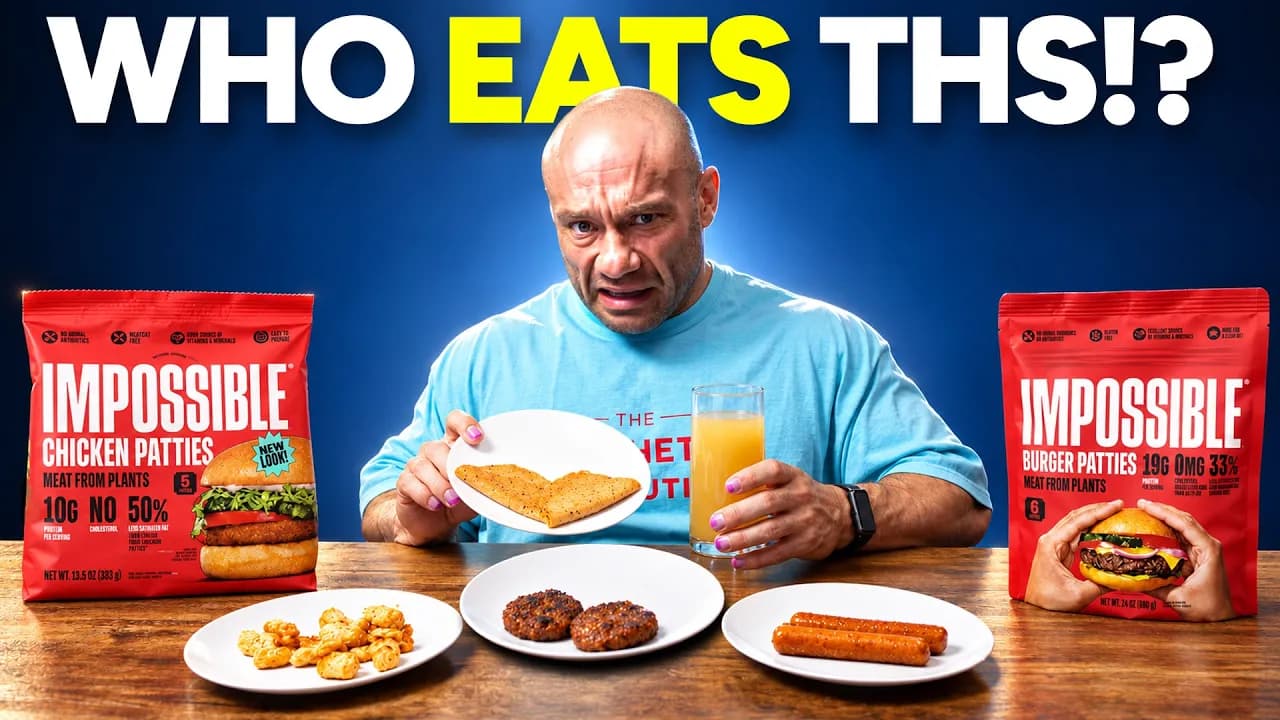
- Chapter 5: Taste test, other options, and the real point: unwrapping an uncomfortable truth that history is repeating itself.
References and details at statefurious metabolism.com newsletter.
Diet culture swings like a pendulum: low-fat to paleo to high protein. Protein is culture's favorite macronutrient because it's hard to hate. Fat makes you fat, saturated fat raises cholesterol, sugar is the enemy—these are emotionally sticky narratives. Protein has a clean slate: functional and nutritionally bipartisan. You can smear butter or bash pasta, but the only hate for chicken breast is calling it inferior to thigh (thighs are better).
More protein than the absurdly low RDA of 0.36 g per kg is beneficial: preserves lean muscle (especially aging), improves satiety, increases thermic effect of food, and more. Protein is a nutritional compromise, a peace offering in diet wars. Influencers and food companies rush to slap high protein on everything—great marketing. Trick: bigger font for protein makes brains think it has more proportionally. Example: protein granola—ingredients: whole grain oats, whole grain wheat, sugar, canola oil, then milk protein isolate. 38g carbs, 11g protein. No correlation between font size and protein amount.
Focus on protein opens door to nutritional distortion. High protein Cheerios, ice cream, Starbucks aren't paragons of health. Starbucks protein: milkshake with 26g sugar. Many zoom in on 'protein' as if it redeems the product.
David Bar created by Peter Rahal, not a one-hit wonder. Previous: RX Bar, paleo sweetheart, tagline 'no BS', one of cleanest snack bars: egg whites, almonds, cashews, dates, cocoa, 12g protein. Sold RX Bar to Kellogg's for $600 million. Game appreciates game. David Bar engineered for protein maxing era: highest CFP of any bar. CFP = Calories from Protein (made-up term; could say percent of calories from protein, but acronym brands better).
Packaging: 'Flux's premium energy', gold foil, sleek design, name references Michelangelo's David—a bar fit for a statue, ideal physique. Sidebar: Scaling Michelangelo's David from 17 ft to average male 5'9", equipment under 2 inches. Beauty standards change. Numbers: 150 calories, 28g protein, 12g total carbs (7g sugar alcohols, 1g fiber), 4g net carbs. 75 calories from protein, CFP 75%. Comparisons: Starbucks cold foam protein latte 26% CFP (1/3 of David). Egg ~34% CFP. David outmatched only by lean proteins like boiled cod. Company sells cod, flaunts higher CFP than bar—next-level positioning. No one carries cold cod to Planet Fitness, but sleek golden bar is easy. David Bar captures a movement.
Calories from protein accurately marketed via math, but other marketing fluffy/less honest. 'Only what's necessary' is untrue. Contains maltitol, sugar alcohol in binding system: gastrointestinal wild card. Partially absorbed, ferments in colon causing bloating, gas, cramps, diarrhea (dose-dependent). David Bar has enough to affect sensitive people. Review quote: 'Now when I ate them, the David Bars, I poop my pants. Yep, grown adult. Leaving an orange, waxy, disgusting mess in my underwear. It starts as what feels like flatulence and then disaster sets in.' Possibly from maltitol or EPG. Doesn't contain just what's necessary. Warning: high CFP quest might mean CFP-maxing colorful flatulence and poop.
Sweeteners nutritionally problematic. Artificial sweeteners data complex (study design, dosage, host response, control group). Many studies compare to sugar, creating false dichotomy: sugar vs. sweeteners (like stubbing toe vs. falling out window). Sucralose in David Bar: Yale Cell Metabolism study—sucralose with carbs increased insulin, impaired sensitivity (insulin resistance), altered brain activity. Scary; adolescent sub-study terminated early for safety. Quote: 'Insulin resistance score HOMA-IR elevated from less than 3.5 to greater than 12.9... driven by increase in fasting plasma insulin... adverse event reported to humans investigations committee, which recommended trial termination.' Nuance: sucralose alone or carbs alone fine, but together problematic. David Bar alone (4g net carbs) probably fine, but with banana resembles trial conditions causing metabolic impairment. Risk worth it for taste/CFP? Sweeteners not necessary.
Other concerns: artificial sweeteners disrupt microbiome, promote insulin resistance (causal via human-to-mouse fecal transplants). Aspartame (not in David Bar) causes anxiety, transgenerationally inheritable in animals. Prefer not to gamble on long-term effects. Ask: What are you willing to gamble? Where place burden of proof? 'Only what's necessary'—truth or legally permissive marketing?
EPG (esterified propoxylated glycerol): most controversial ingredient, fat substitute, 0.7 cal/g (92% fewer than natural fats)—enables high CFP/texture. Causes digestive issues, dose-dependent (contributes to vivid reviews). Made from canola/rapeseed oil: broken to glycerol + fatty acids, propoxyl group inserted as synthetic bridge, reassembled. Resists digestion (enzymes can't break synthetic linker). Analogy: normal fat like soda can (enzyme opens pull tab); EPG like duct tape over tab—passes through.
Safety: GI distress at higher amounts. No research showing metabolic harm at typical levels. Speculation on fat-soluble vitamin interference, but not in human RCTs at standard doses. If tolerated symptomatically, no huge red flag from EPG (sucralose separate). Biggest controversy business-related: David Bar acquired Epogee (sole EPG producer), cut off supply to small companies (not direct competitors). They filed antitrust lawsuit for secretive acquisition/monopolization. Defense: companies failed long-term supply deals. Litigation ongoing. Ethically, cutting off small businesses raises yellow/red flag. Smart vertical integration though.
Salted peanut butter: texture like slimy Play-Doh, bland, 2/10. Cookie dough similar, lowest ratings 2/10. Like Play-Doh + whey protein powder + frozen boba balls. Not sweet/satisfying. Best: blueberry pie, weird color, 4.5-5/10, tolerable. Overall underwhelmed. $39/12-pack = $3.25/bar before shipping—not outrageous, but prefer Whole Foods sources.
GI issues: 100% mess with system; 6 hours post-bars: bloating, distress. Review: 'Just as our enzymes can't process the EPG fat Frankenstein that makes these bars possible, neither can my toilet process the destruction left in the wake of their consumption.' None enjoyable.
Alternatives:
- Hard-boiled eggs: convenient, CFP 0.34, nutritionally better.
- Biltong: CFP 0.8 (beats David), no shady ingredients.
- Parmesan cheese: CFP 0.26, great calcium, high protein.
- Sardines, canned salmon: nutritionally better, convenient.
- Even RX Bar (lower CFP): better taste, simpler ingredients, healthier—nutritional downgrade from RX.
David Bar: brilliant marketing success, will make millions riding protein maxing wave—final evolutionary form of trend at extremes. Fixating on one nutrient yields products dominating a metric, not nourishing humans. Whether progress or regression up to you.
Keep Nick Norwitz in your library
Save the videos and channels worth coming back to, and find them again in one place.