Breaking: U.S. and Iran Threaten Escalation...
In a Nutshell
Bitcoin plunged below $68,000 amid U.S.-Iran tensions, as Trump issued a 48-hour ultimatum to open the Strait of Hormuz or face attacks on power plants, prompting Iran to threaten full closure and strikes on regional energy, water, and IT infrastructure. Inconsistent U.S. statements and military moves (e.g., 2,500 more Marines, $200B request) fuel market uncertainty, with rising oil prices risking Fed rate hikes into 2026 and bearish impacts on stocks and consumer sentiment. Buy dips cautiously without overleveraging, watching for deescalation signals like ceasefires that could spark rapid recovery.
These notes were generated by AI and may contain inaccuracies.
Bitcoin dropped below 68,000, trading at lows of 67,900, retracing sharply from highs of 76,000 a few days ago to previous oversold levels.
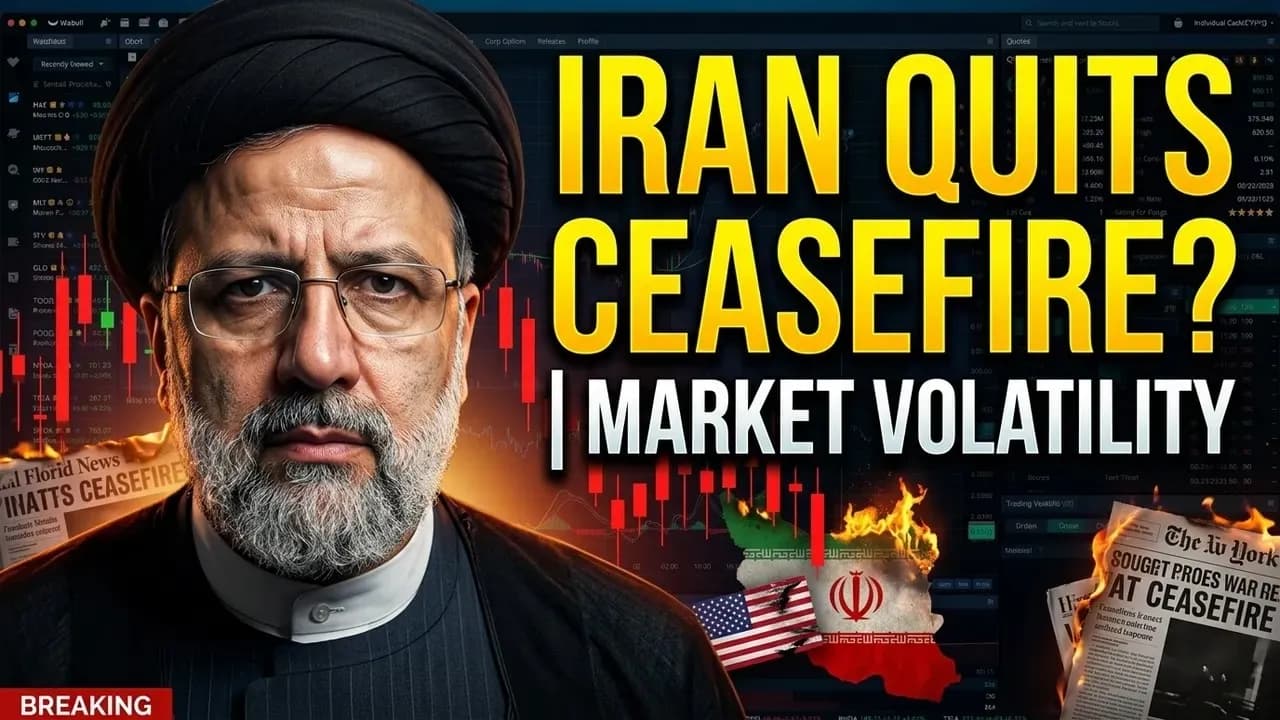
Bitcoin extends losses below 68,000 as President Trump's deadline for Iran to open the Strait of Hormuz is now 26 hours away. Trump issued a 48-hour ultimatum: if Iran does not open it, the US will attack Iran "like they've never seen it before." Iran responded by threatening to fully close the Strait of Hormuz, strike energy, water, and IT infrastructure across the Middle East, and shifted military strategy from defense to offense. Iranian officials claim enough reserves to last a full year. Markets sell off due to uncertainty.
Trump recently insinuated the Iran war is over, yet the US sent another 2,500 Marines to the Middle East and requested $200 billion from the Pentagon for the war. Over the last 36 hours: Trump said no ceasefire with Iran, then the US considered winding down the war, then planned peace talks, and now threatens to obliterate Iran's power plants if the Strait of Hormuz is not opened within 48 hours. This inconsistency fuels market uncertainty. Social media shows blind support from some, but voting for someone does not require agreeing with every decision.
Iran responds to Trump's 48-hour threat to obliterate power plants by vowing to completely close the Strait of Hormuz and hit vital energy, IT, and water desalination facilities in the Middle East. Senior military commander confirms shift to offensive strategy. Country has reserves for up to one year. Deadline was 33 hours away at that update. Markets dislike this uncertainty.
This week: Tuesday - service PMI, manufacturing PMI; Thursday - jobless claims (initial and continuing); Friday - consumer sentiment report. Oil prices rising, hurting Americans. True deescalation or ceasefire would drop oil prices, allowing markets and airlines (hit hard, 20-30% expenses on oil) to recover.
Federal Reserve concern is oil's impact on inflation; expected 2026 rate cuts now possibly a rate hike. European Central Bank expects two rate hikes by end of 2026. Shift from cuts (bullish, cheaper borrowing) to hikes (contracting economy) is bearish. Stock market performance does not reflect average American's situation; consumer sentiment and spending down, projected down for 2026.
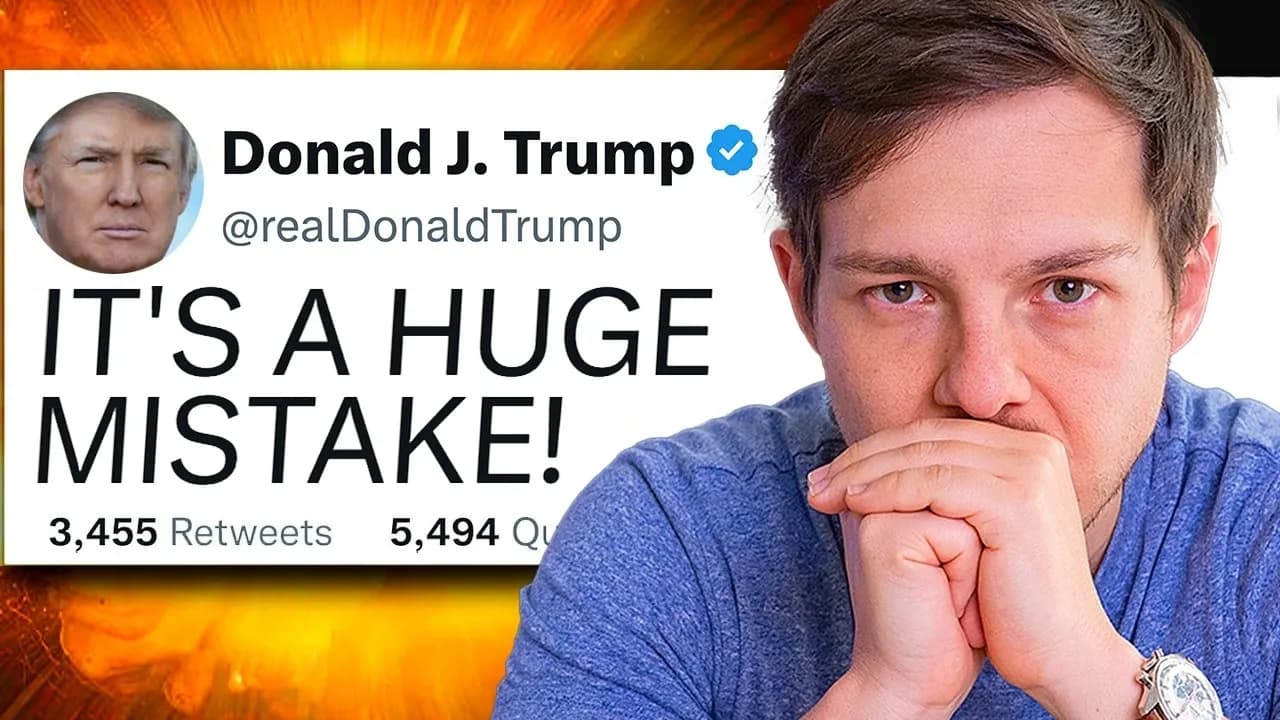
Look for actual deescalation signs: if Trump follows through without further escalation, markets should recover. If escalation continues, expect further downturn. To buy the dip, avoid overleveraging initially as things can worsen before improving. Some deals worth buying now in case of deescalation and quick recovery to all-time highs. Markets can recover on one Trump tweet; if shorting, cash out when in doubt due to irrational recovery desperation.
Keep Ricky Gutierrez in your library
Save the videos and channels worth coming back to, and find them again in one place.