California is Determined to Protect It’s Fraud
In a Nutshell
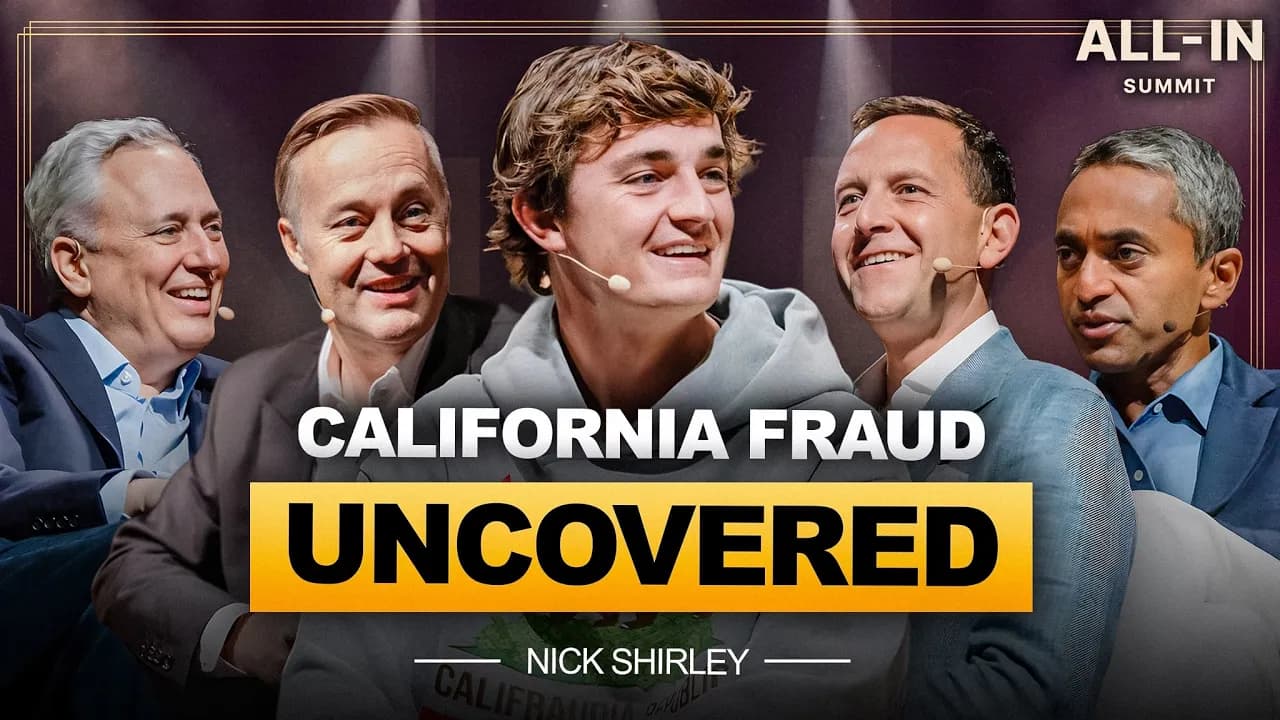
California's Stop Nick Shirley Act prohibits posting personal info or images of health care fraud whistleblower targets online if it risks inciting violence, framed as protection but criticized as fascist censorship to shield fraud like Minnesota's Somali daycare scams. It echoes Puerto Rico's recent Transparency Act revocation, which exposes FOIA requesters to retaliation, and a 2016 Obama-era financial oversight board that funneled $2B in taxpayer funds to Wall Street for a bankrupt island's privatization fiasco under Luma. Both hinder investigative journalism exposing government waste and corruption.
These notes were generated by AI and may contain inaccuracies.
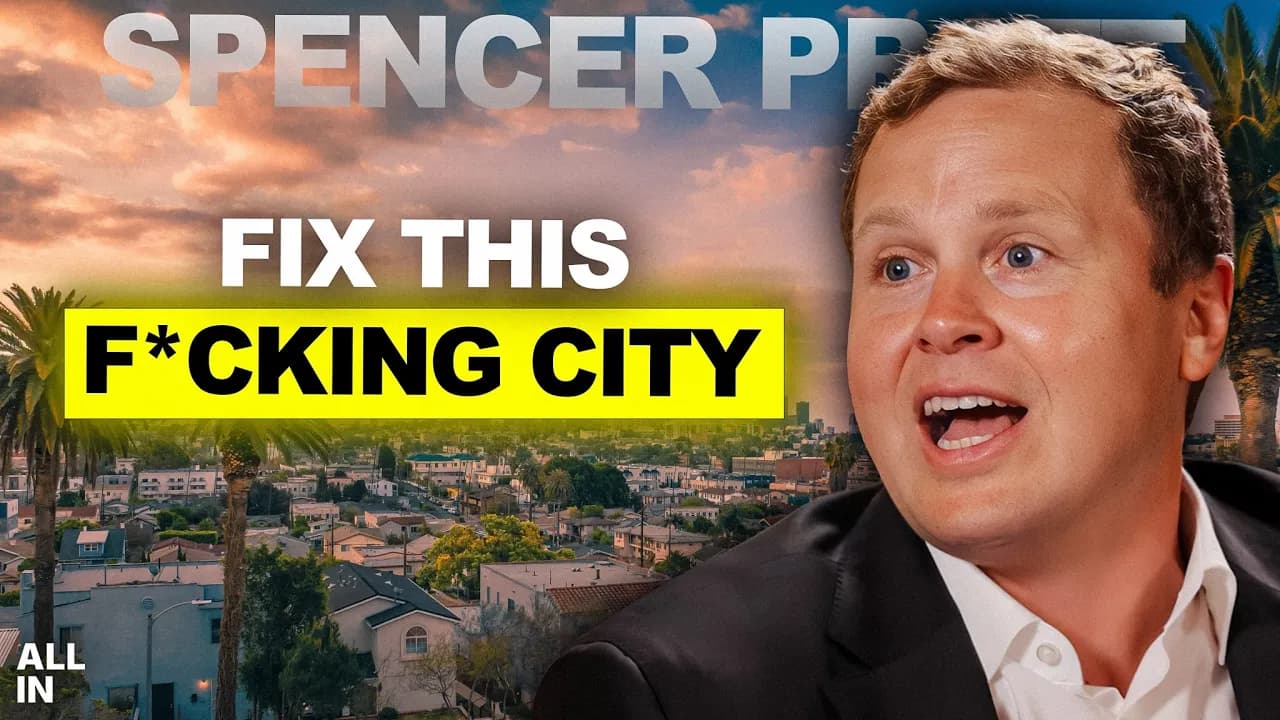
California introduced the Stop Nick Shirley Act, legislation prohibiting a person, business, or association from knowingly publicly posting or disclosing on internet websites or social media the personal information or image of designated health care services patient, provider, assistant, or other individuals residing at the same home address with intent to incite a third person to cause imminent great bodily harm to the identified person or co-resident, or to threaten them. Speakers describe it as an extreme fascist bill to prevent exposing fraud, similar to exposures in Minnesota, and potentially extending to Puerto Rico. It restricts release of investigative videos and imposes penalties on watchdogs exposing fraud. Introduced by a Democrat, with backlash likely from a Republican.
The act aims to get ahead of exposures like Nick Shirley's in Minnesota involving Somali learning centers, framed as protecting immigrants from violence, but speakers argue stopping fraud first or preventing violence separately would be better. Relates to broader free speech issues and investigative journalism.
Speaker discusses own work: post-fire in Palisades exposing FEMA issues; Puerto Rico financial exposures. Shelved deep dives due to workload and disturbing conditions—met man without roof or electricity for 8 years since likely Hurricane Maria.
In 2016, Congress with Obama's approval created a financial board acting as Puerto Rico's shadow government. Funneled ~$2 billion Puerto Rican taxpayer money to Wall Street consultants, executives, attorneys for bankruptcy consultations. Island bankrupt; resolving PREPA (Puerto Rican Electric Power Authority) bankruptcy led to privatization with Luma, resulting in unreliable, expensive power. Money funneled off-island to Wall Street-connected entities. Worse than Somali daycare fraud; recently revoked Transparency Act in past 4-5 months, making FOIA requests identifiable to targets, enabling denials (e.g., "Gary Faust requesting info").
Efforts to hinder investigative journalism by making it harder to request info anonymously. California bill similarly branded to sound positive while restricting transparency. Would prevent speakers from doing their jobs.
Keep Chris Williamson in your library
Save the videos and channels worth coming back to, and find them again in one place.