Dozens of investment firm employees killed during 9/11 attack | 60 Minutes Archive
In a Nutshell
Sandler O'Neal lost 66 of its 83 employees at the World Trade Center on 9/11, wiping out a third of its staff and nearly all its records. The surviving partners committed to keeping the firm running to support victims' families, paying salaries and benefits through 2006 while rebuilding from temporary offices with industry support. The firm reopened markets, resumed trading, and announced its first post-attack deal within a week, driven by a determination to continue operations despite the devastating loss of human capital.
These notes were generated by AI and may contain inaccuracies.
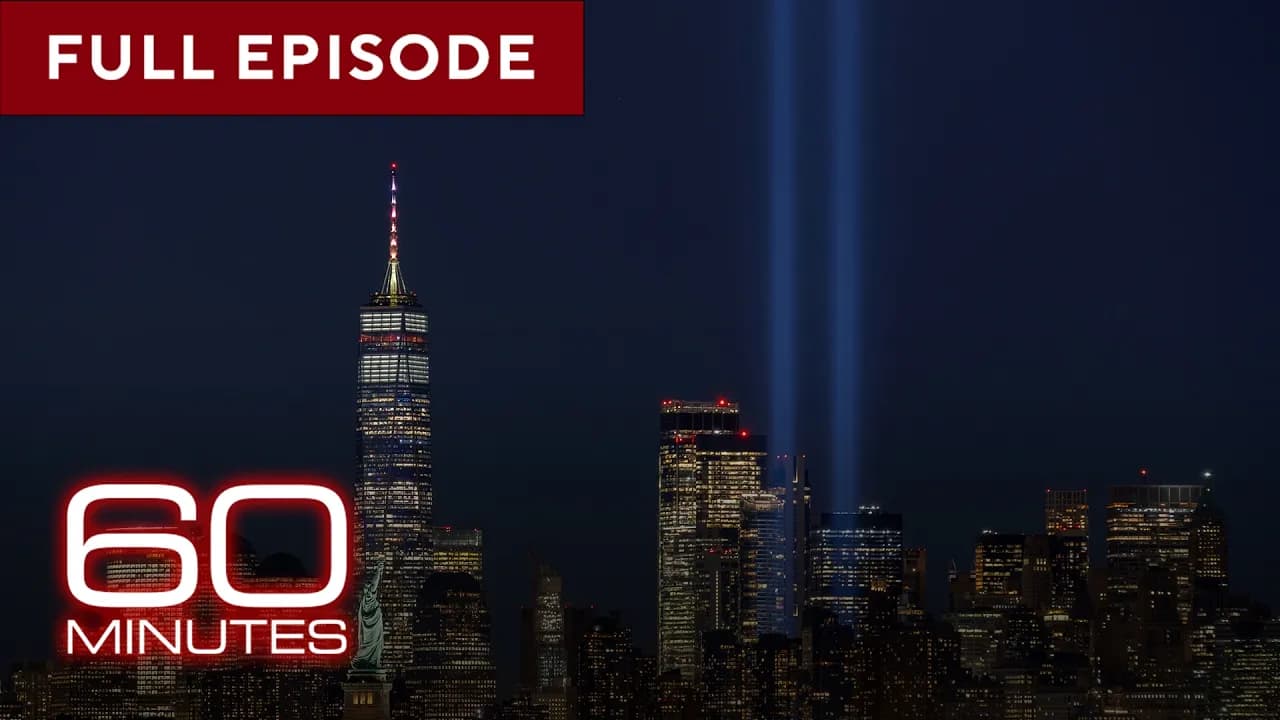
Sandler O'Neal was a small investment banking firm headquartered on the 104th floor of Tower 2 at the World Trade Center. The firm specialized in providing financial expertise and services to small and medium-sized banks and savings and loans across the country, with clients in Wayne, New Jersey, Sioux City, Iowa, and Santa Barbara, California.
Of Sandler O'Neal's 171 employees, 83 reported for work at the World Trade Center on September 11, 2001. Only 17 survived the attack.
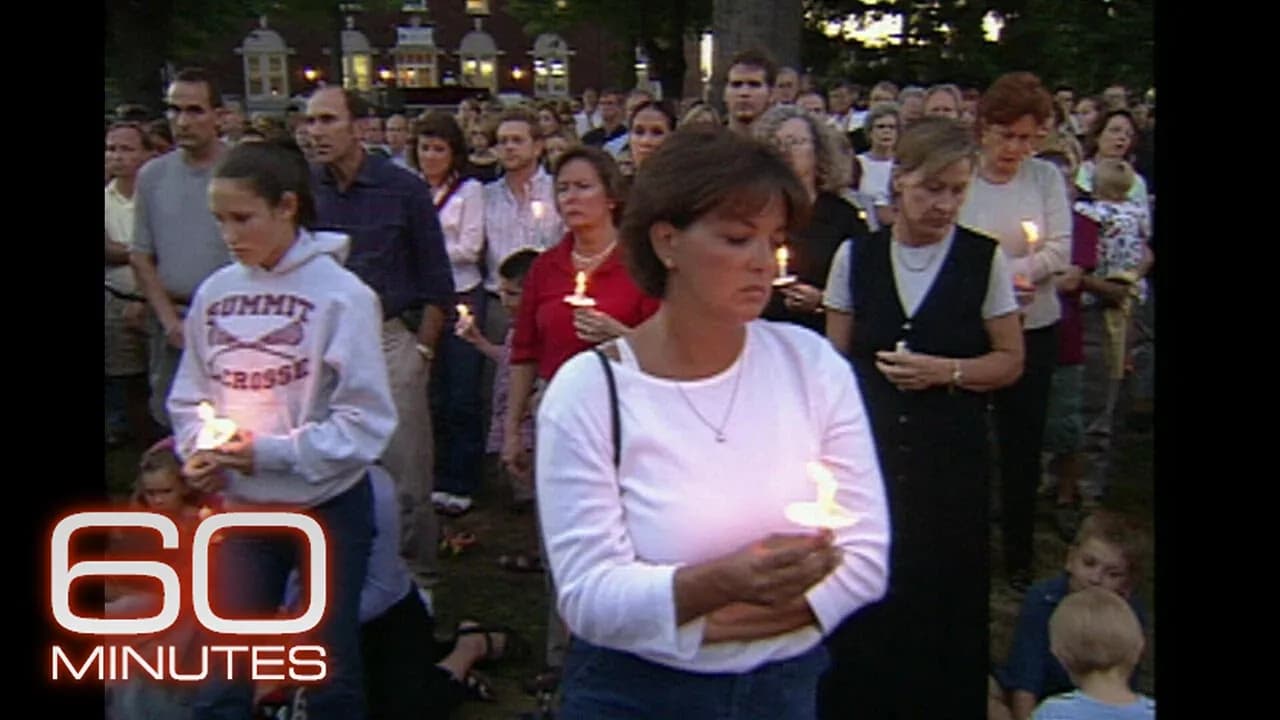
Survivors regrouped in a small Midtown office a few days after the disaster. The firm hired crisis counselors and therapists while searching hospitals and consoling families of colleagues who were dead or missing.
Employees worked phones to contact families, but could not provide the two things families wanted: good news or hard information. They made contact with families including Doug Urgang's mom, David Rice's family (who identified his body for Richard Vonfeld), Chris Newton Carter's wife, and Patty Rosen.
Sandler O'Neal's primary asset was its highly trained employees who understood the company's business and maintained personal relationships with customers. As days passed, it became apparent that much of this intellectual and human capital had been lost.
DNA identification efforts began, with plans to have parents provide DNA samples. Staff requested items with scars, shoe size, blood type, and wedding band inscriptions for identification purposes.
Managing partner Jimmy Dunn, age 44, took responsibility for resurrecting the firm. The company lost its entire communication system, nearly every piece of paper, and a third of its people. Dunn lost two of his best friends and top executives: senior managing partner Herman Sandler and Chris Quackenbush, who ran the investment banking business.
Dunn stated: "It was just incredible that 66 people could be missing and nothing - just like they were gone."
Four days after the attack, survivors moved into temporary quarters provided by Bank of America. Competitors in the investment banking industry offered equipment, people, and services to help Sandler O'Neal survive.
Terry Maltise, who had run another division, took charge of trading operations despite most stock traders being among the missing. The firm began collecting DNA samples for identification purposes.
Maltise addressed the staff: "This has been a horrible week, as everybody knows. And it's amazing what's happened, and it's amazing everything we've had to do. And I'm very proud of everything we have done here. I'm more sad about everything we've lost and that we had to do this."
The firm decided continuing operations was essential to support families. Trident and other firms offered to route business through Sandler O'Neal with zero commission splits in their favor.
Employees Frankie and Bruce had been standing at their desks waiting for the market to open on September 11 when trading never occurred. The firm committed to making those trades when markets reopened.
Staff stopped and prayed before the first opening bell in six days. When markets opened, technical difficulties emerged with phone systems that were resolved within several hours.
A rumor incorrectly reported Sandler O'Neal had suspended operations. Jimmy Dunn, who had never done an interview before, went live on CNBC to confirm the firm was operational.
Dunn stated: "You know, we don't write songs. We don't write novels. We're Wall Street people. We're going to respond as we know how."
The firm's computer system was largely destroyed, and the two technology support staff who could fix it were missing. Programmers from Chicago, connected through Jimmy Dunn's college roommate, drove overnight to restore most systems before markets reopened.
A spreadsheet across the office front tracked funerals, wakes, and memorial services. Jimmy Dunn ensured Sandler O'Neal partners attended all services. Dunn noted his best friends' services were scheduled for the same day and time, with Herman Sandler's service on Monday.
Services continued at a rate of two to three per day through October.
The firm pledged to continue paying salaries of lost employees through year's end, plus bonuses and family benefits until 2006. A foundation was established for long-term assistance.
Founding partners Fred Price and Tom O'Neal acknowledged the support was insufficient for families who lost loved ones, including a father who lost his second son, a mother who lost her adored son, and a wife who had given birth two months before losing her husband.
The partners had hired many young people, including sons and daughters of friends. This made the tragedy "incredibly harder" for the founders. One partner stated: "I don't know that I'll do it anymore, frankly. But I mean, I need to do it again because it was a good thing and it's, you know, I can't let, you know, fear - I can't let them win."
The firm announced its first deal after September 11 on September 18. Staff began shopping for permanent office space while rebuilding the company founded 13 years earlier.
The firm planned to grow from 70 to 100 people. Jimmy Dunn noted Herman Sandler had been the real estate expert, requiring Dunn to develop new skills.
Dunn described the firm's mindset: "If I didn't know and I just walked in here, I would have thought that you had been in these offices forever. Well, that's, you know, we're like, to me, we feel like we're at war. I mean they attacked United States of America. They attacked the capitalistic structure that we flourished under. They attacked our little firm and you know and they killed our friends. So we have a low tolerance for the petty issues right now."
Staff expressed determination that attackers had underestimated American resilience: "They were intent on destroying this country. Um, I don't think we appreciated the depth of their hatred, but I think for every percentage that we might have underestimated them, I think they've very much underestimated us."
Keep 60 Minutes in your library
Save the videos and channels worth coming back to, and find them again in one place.