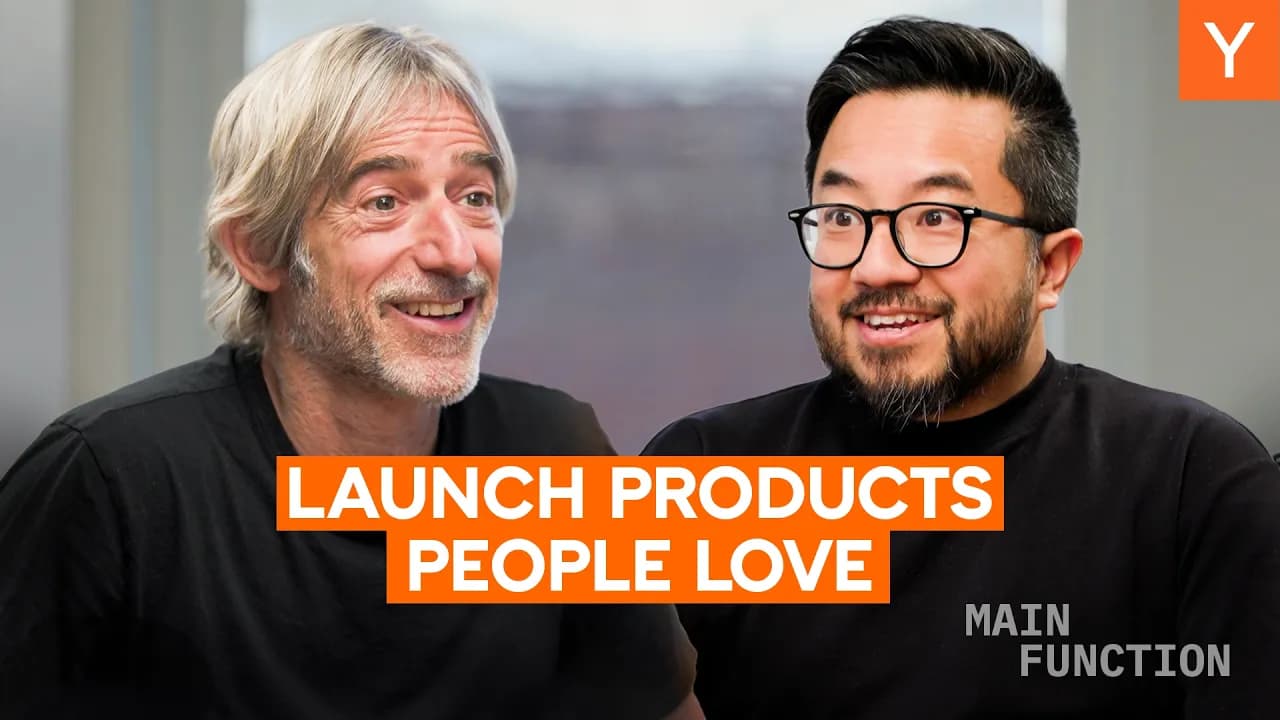
Eric Pulier + Salim Ismail: Creating Community in the Spatial Web
In a Nutshell
Eric Pulier and Salim Ismail explore the spatial web and Web 3.0, where programmable NFTs (branded "vatoms") enable true ownership, interoperability across metaverses, and customer engagement through fun, AR-enabled drops like State Farm's digital footballs, shifting marketing from ads to value-based loyalty. DAOs and social tokens empower decentralized communities and play-to-earn/create-to-earn economies, as seen in Axie Infinity's $40B valuation and Bored Ape Yacht Club's real-world perks, fostering self-sovereign identities and multiverse portability. Brands must embrace ownership psychology, experiment in open worlds, and prioritize utility over speculation for exponential growth amid falling blockchain fees and regulatory evolution.
These notes were generated by AI and may contain inaccuracies.
Welcome to a conversation on the spatial web, Web 3.0, DAOs, NFTs, and how lives are about to change, transforming economic engines of society, how and where we spend time, and engagement with customers and influencers.
Salim Ismail is founder and chairman of Exo Works and Open ExO, implementing lessons from his book Exponential Organizations. Previously executive director of Singularity University and led Brick House, Yahoo's internal incubator. Writing Exponential Organizations 2.0 with host.
Eric Pulier founded six ventures valued over $100 million, named one of 30 EV Visionaries, founder and CEO of Vatom Inc., magna cum laude Harvard graduate. Friendship with host goes back a decade; six years ago, first to discuss NFTs, minting, now mainstream.
Six years ago, all tokens were fungible; blockchain would matter. Fungible: replaceable, e.g., gold—don't care which ounce. Non-fungible: unique, e.g., art, baseball card. Bitcoin first fungible token—sender/recipient don't care specifics. NFTs unique.
Called them NFTs then; vision: instruments of engagement, alive with 3D graphics/animation, authentic, traceable like Bitcoin, tricking brain to see as real as physical (atoms). Coined vatoms (virtual atoms) to dissolve bits/atoms boundaries, unleash multi-trillion dollar economy, new canvas for imagination. Vatom Inc. derives from this.
Spending more time in virtual worlds/metaverses; grab digital items portable across metaverses and real world.
Metaverse: persistent meta-plane atop physical reality, extension of real life (extended reality), not separate from IRL. Web was first metaverse: open, anyone builds sites, accessible globally. Evolved from static to dynamic, commerce, semantic, AI.
Next web (spatial web) adds people, places, things:
- People: self-sovereign identity (Tim Berners-Lee focus), own/control, portable across sites/metaverses.
- Places: true ownership (shift from sharing to ownership economy, changes psychology).
- Things: interact in communities (self-governing, Salim expert).
NFTs beyond speculation (fraction of 1% potential); move to engagement, story, narrative. >"Objects plus story equal treasure" (Gordon Bowen). Value from best stories (e.g., Bob Dylan storyteller).
FTs (fungible tokens) interplay with NFTs for new economy, DeFi, Web 3.
Traditional advertising (blasts, magazines, billboards, Google/Facebook) inefficient; consumers tired, privacy laws, Apple's cookie policy force first-party data, value-based relationships.
NFTs as engagement instruments: network-aware, opt-in via value/gamification (resellable, fun, lifecycle).
Vatom powers NFT wallet, system built (not theoretical).
State Farm Insurance example: dropped digital footballs nationwide via influencers/quarterbacks. ~500,000 picked up yesterday by tens of thousands (now >600,000, largest digital grab event). No PhD needed—click, play, fun; rewarded with valuable NFTs. Many listed on OpenSea (top 10).
Vatom enables phone AR (Pokemon Go-style) to see/collect digital objects; creates relationship (permission-based, ethical, fun). Wallets get videos (e.g., quirky State Farm messages), more drops.
Campaigns now endless for long-term relationships (CRM, not Vegas). Shift marketing to ownership economy, loyalty programs.
Social tokens (loyalty points on steroids): decentralized, movable, benefits for holding (VIP access, artist rehearsals). Evolve to earn via participatory engagement, building community.
Abundance 360 playing with Vatom platform this year.
Bored Ape Yacht Club: $10 billion ecosystem; NFTs grant real-world access (physical events), bridging virtual/real.
Decentraland example (Salim screen share): Pixel Mind uses GPT-3/AI for generative pixelated art from keywords.
Brands will buy space in the metaverse. Generative art as NFTs is on fire. A human artist might seed it, or it could be an algorithm with a suicide switch that creates content and then stops, making it scarce and valuable. The market is beginning but will be incredible due to scarcity, uniqueness, and powerful communities.
Brands will get involved because NFTs have zero marginal cost of production and distribution compared to physical items like t-shirts. Audiences cherish and resell them as status symbols. Avatars will showcase them among peers.
Bored Ape Yacht Club (BAYC) provides a blueprint for best practices. Owners can hold copyright, unlike Disney t-shirts where you don't own Mickey Mouse. Owners could make a Bored Ape musical or lunch boxes—real ownership.
Giving NFTs to communities means true ownership. Analogy: Selling a lamp for $500 but saying you can't take it out of the store, and it dies if the store closes (like a popup). This shifts from brands' closed apps to wallets. People have too many apps; NFTs live in wallets.
NFTs are powerful due to programmability, like cryptocurrencies, enabling architecture, characteristics, and rarity.
Eric Pulier pioneered programmable NFTs around the time of projects like Colored Coins or Omni Layer (Craig Sellers joined them). Built on shoulders of Philip Rosedale (Second Life), Brock Pierce (secondary markets in games).
Focus is on story, narrative, utility, and programmability, not just URLs or websites.
Example: Intel's programmable NFTs—hundreds of digital butterflies in New York City, called distributed autonomous life forms. They run long processes independently, like kids leaving home. Exist in extension of physical reality: one place at a time, hold other items, network aware.
- Grabbing one donates to charity.
- Might contain Starbucks coffee NFT redeemable for real coffee.
- Jets fan butterfly flaps wings and drops gifts on Jets touchdown.
They change based on events—reinvent engagement with economic layer.
vatom builds the gateway to the Multiverse for 98% of people, easy as visiting a website, no Web3 complexities. Collaborated on open-source BlockV (runs in Switzerland, powered by VVE token) for programmable digital objects, incorporated into their stack.
Largest brands recognize NFTs for customer engagement, not quick riches. vatom enables mass audience entry via wallet (Spatial Web for AR/VR), wallet of wallets—bring NFTs from anywhere (vatom/BlockV or others). Interact in AR, make galleries, interoperate with Roblox, Minecraft, Fortnite, Decentraland, Sandbox, Somnium Space—each has niche audiences.
Multiverse: Interoperability where identity and stuff persist. Easy onboarding leads to adventures, surprise/delight with brands, bring items in/out of wallet in real world. Users become creators like Proctor & Gamble, State Farm, iHeart, or individuals hosting communities, social tokens, NFTs, galleries, monetization benefiting all.
Flywheel will encapsulate the world as the new web.
Imagine Coca-Cola Super Bowl ad giving 100,000 Cokes with unique blockchain IDs—grab off TV.
Beyond coupons: Transfer, sell based on rarity (e.g., $15-$200). Plant in magic flower pot (from Decentraland/Spatial Web), water with Ace Hardware pot—grows 20 Cokes/week. World is a game.
Purpose-driven organizations succeed via MTP (massive transformative purpose). Example: Nurture plant to threshold, plants real tree—moves needle on climate change.
Reggie Corey builds systems measuring real impact behind greenwashing rhetoric. Proctor & Gamble matches funds and shows impact.
DAO takes concepts to next level. Fungible tokens, multi-sig wallet (multiple votes to release funds). Shifts from sharing to ownership economy: community built, operated, funded, owned by users—instills passion/purpose.
Applies to book clubs or real-world impact. Humans form communities instinctively, but traditionally centralized. DAOs thrive via owner-build, fueled by tokens and governance models (exploding in next 6 months—more innovation than last decade).
To start a DAO company: Hire experts like Salim, avoid traps, build on mistakes. Have personal belief, e.g., play-to-earn games.
Play-to-earn: In-game currencies interoperable, exit to DEXs, Bitcoin/ETH/fiat. Players govern game direction, features, developer funding—instills loyalty. Axie Infinity: Unprecedented, started 3 years ago, $7.8B valuation, $1B in last 24 hours, fully diluted market cap over $40B, insane daily volume.
Trojan Horse: Creator economy with gamified objects, friction-free payments, DAOs without intermediaries → play-to-earn to create-to-earn. Empowers everyone: sing, tell stories, poems, work—earn in stable micro-economies via wallet. 80-year-olds play Axie Infinity, earn without banks/inflation.
Peter Diamandis's 6Ds: Exponential when deceptive → disruptive; usability key. NFTs and easy wallets break blockchain usability barrier.
Interface moment: Tech for enthusiasts becomes average-person usable, monetizable (e.g., iPhone App Store, Mosaic browser on ARPANET).
vatom creates interface moments for Spatial Web / Web 3.0.
Abundance Digital Community gets free livestream to Singularity University Executive Program (Sunday-Friday, first in-person since pandemic). Eric opens Sunday night.
Excited about web's power to change businesses/lives/communities; now making it better is mission for millions. Here again with similar potential.
Centralized metaverses like Meta's do not appeal; they feel too centralized. A multiverse with self-sovereign identity empowers individuals to own their data, assets, and expressions without intermediaries. This enables direct payments via stablecoins at marginal cost, creating NFTs for value expression. The psychology of true ownership will change society, lift billions out of poverty through simple math of cutting intermediaries.
What's most exciting is the fruition of that empowerment for humanity that will change what it means to be human, to work, create, and play.
Phenomenal pioneer projects in Web3. Controversially, the only truly vibrant metaverse community is Second Life by Philip Rosedale from the 'stone age'—it nailed community dynamics for participation, helping, and building together. Learn from past successes.
Axie Infinity: Thousands of families in the Philippines earn a livable wage playing, creating wealth distribution and a new financial system challenging inefficient centralized pools aggregating money to elites like Hampton houses.
Yield Games: Loans Axies to those without money to start, building economies around NFT lending, token lending, yield, staking, and decentralized exchanges—all nonexistent a few years ago. Analogous to 1993-94 AOL, CompuServe era.
Michael Jansson (Sherpa) guides navigation; trusts him with NFTs. Bylaw joke: must be under 20 to write smart contracts.
Pioneers like Art Blocks (generative art), Sandbox (decentralized community), Mutable and Polygon (Layer 2 blockchains lowering carbon footprint and fees for scale).
Companies must experiment openly and shift mindset: respect consumers, align with their purpose/values. Move from spraying messages to providing value-based models.
Customer data belongs to the customer, not the company. Share data with them. Build campaigns in open metaverses, wallets; create outreach, value systems, loyalty programs in shared open worlds. Provide value to gain respect, exponential returns via community evangelists building the economy.
Recommendations: Dip toe in water, change mindset, involve legal for new data sharing rules with customers, wallets, emerging metaverses.
Ethereum gas fees expensive for low-value transactions (e.g., $1 NFT with $30-300 gas), but negligible for high-value like $69 million. Many blockchains reducing fees/carbon footprint.
Proof-of-work has a powerful place with progress in renewables (solar, wind, water) for mining Bitcoin/other coins—more environmentally friendly than other electricity uses for value.
Proof-of-stake and other validation methods emerging. Consumers shouldn't care.
Vatom stack (from Vatom UIP to block fee) is blockchain agnostic, supports BlockV's chain and others; chains will leapfrog.
SEC won't give up; regulatory clarity would boost economy. Bitcoin and Ethereum clearly not securities.
Howey test reveals gray areas. Helpful if SEC clarifies specific projects as securities or not, or conditions like sufficient decentralization without speculation.
Easy to launch projects now; more decentralized = harder to sue (e.g., big DAO with no single owner). Regulators target creators/operators, not participants; problematic if none exist.
Governance varies by metaverse:
- Centralized (company-run): Top-down rules; violate and get kicked out (like YouTube/Instagram).
- Decentralized/DAO: Community sets terms via token voting power directing future, norms, guidelines. Gain influence, fork, or join suitable community.
In interoperable multiverse, identity/avatars/assets move across spaces (visually adapt but maintain integrity/uniqueness), enabling economy and neo-tribal groupings for visiting/joining forces.
DAO models: Founders define initial structure, fair token distribution (no unusual founder stakes), earn tokens via buying/participating for voting power (delegate or per wallet). Draws from high school civics/government formations applied to virtual communities.
Most time spent in virtual communities dictates life flavor—must enable purposeful, empowered lives with meaningful stake in governments.
For community transacting via utility token: Focus incentives on engagement activities increasing community value/thriving for staying power. Then add augmenting personas, published books, etc.
Consider bad actors: Promote desired behaviors, dissuade others. Avoid transparent reputation scores (people game like rats with sugar water).
Use opaque algorithms (like Google's search ranking) for rewards. Provide surprise and delight so good behavior generally yields good outcomes, bad leads to exclusion. Obvious rules shift focus from community to reward.
Keep Peter H. Diamandis in your library
Save the videos and channels worth coming back to, and find them again in one place.