Everything That Burns Fat Faster Than 10K Steps/Day
In a Nutshell
Incline walking at 3 mph and 9% incline produced the highest calorie burn for all three testers, followed closely by the StairMaster, while burpees ranked highest for the first tester due to their afterburn effect. Vibration plates and air squats delivered minimal calorie burn, requiring impractical durations to match 10,000 steps. The key finding is that the most effective exercise is the one you can sustain consistently rather than the one with peak calorie expenditure.
These notes were generated by AI and may contain inaccuracies.
Walking 10,000 steps a day is one of the simplest ways to lose fat, but time is the main constraint. Three testers with different body types and fitness levels were used to establish a baseline calorie burn from 10,000 steps using the world's most accurate calorie tracker that measures oxygen and carbon dioxide from every breath.
After completing 10,000 steps, the calorie burns were: 418 calories for the first tester, 438 calories for Melody who has similar weight, and 342 calories for Dennis who weighs about 30 lbs less. Based on this data, multiplying body weight in pounds by 2.7 provides a good estimate of calories burned from walking 10,000 steps.
The Japanese walking method protocol involves 3 minutes of slow walking followed by 3 minutes of fast walking for a total of 30 minutes. This interval walking workout recently gained popularity due to study results showing potential time efficiency advantages.
After 30 minutes of interval walking, the first tester burned 144 calories, Dennis burned 114 calories, and Melody burned 249 calories. The time required to match 10,000 steps calorie burn would be roughly 90 minutes for the first tester and Dennis, while Melody would need only 53 minutes due to her higher sustained heart rate.
This indoor exercise involves jogging in place to a beat with three specific rules: take one light step with every beat, stay on your toes avoiding heel landing, and stay relaxed and upright. The exercise gets participants jogging without the typical jogging sensation.
After 10 minutes, the calorie burns were comparable to regular walking with every 10 minutes equating to roughly 1,000 steps. This makes it a viable alternative for indoor activity or when wanting additional calorie burn while watching TV.
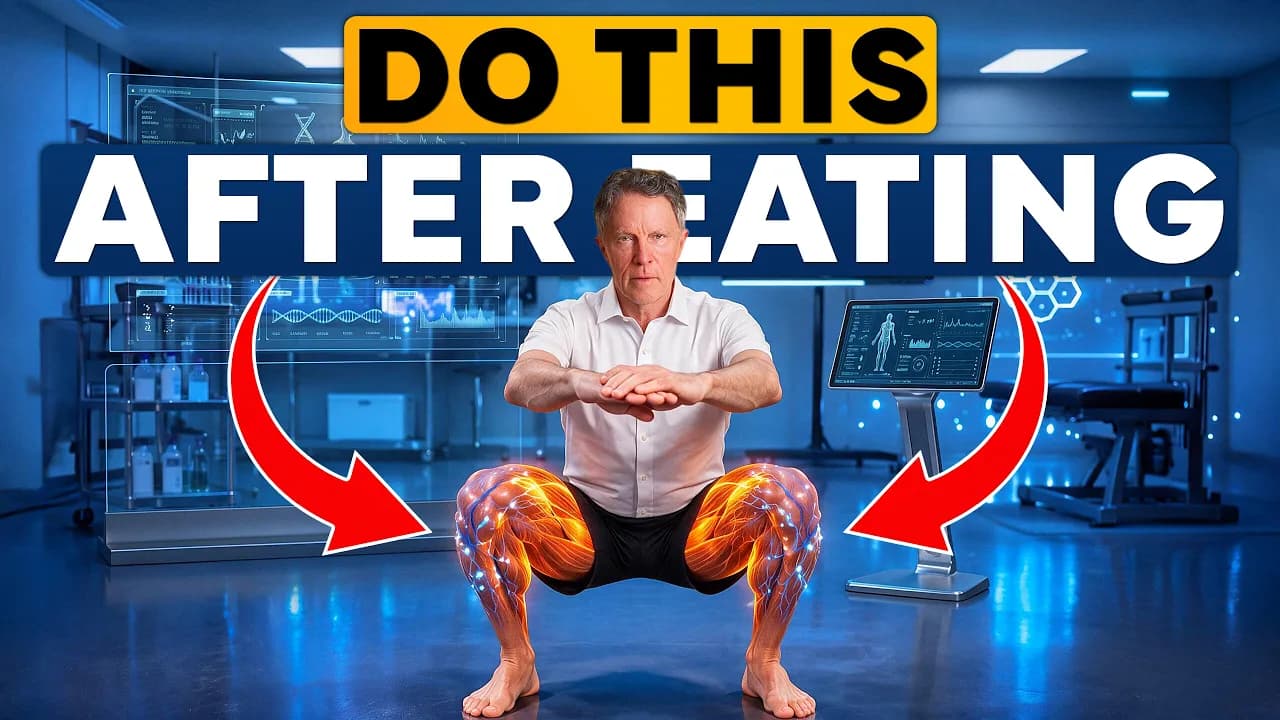
Air squats were performed at 30 squats per minute using a metronome. The exercise targets some of the largest muscle groups in the body. A recent study found that doing 10 squats every 45 minutes outperformed a single 30-minute walk for controlling blood sugar after meals in people who sit all day, possibly because leg muscles act like sponges soaking up blood sugar for energy.
After 10 minutes, the first tester burned 81 calories, Melody burned 78 calories, and Dennis burned 29 calories. Despite the calorie burn advantage for some participants, the intensity made it difficult to sustain beyond 3 minutes at a time.
A vibration machine purchased from Amazon for $100 was tested at its highest setting. Research exists on vibration plates, including a study with 35 women with obesity who trained for 14 minutes twice weekly for 10 weeks, showing improvements in leg strength, body fat reduction, and belly fat reduction compared to non-exercising controls. However, this study was funded by the vibration plate manufacturer.
After 10 minutes, the first tester burned 28 calories, Dennis burned 22 calories, and Melody burned 33 calories - only slightly more than standing alone. This would require standing on the machine all day to match 10,000 steps calorie burn.
Rebounding involves bouncing and dancing on a mini trampoline to music. Online claims suggest 500-800 calories burned per hour, comparable to running. After 10 minutes, the first tester burned 62 calories, Dennis burned 41 calories, and Melody burned 66 calories. While under the claimed amounts, rebounding exceeded regular walking calorie burn for all three participants.
Rucking involves walking with a weighted vest or loaded backpack, originally developed for military stamina training. A 20-minute walk was conducted wearing a 20-lb weighted vest. Despite feeling significantly harder than regular walking, calorie burn increased only 20-30% across all participants.
After 20 minutes, the first tester burned 108 calories, Dennis burned 91 calories, and Melody burned 128 calories. Wearing the vest for a full 10,000 steps would burn approximately 100 additional calories.
Incline walking was tested at 3 mph with 9% incline for 20 minutes with rules against using hands on the machine. Each 1% increase in incline theoretically speeds calorie burn by 10-15%. The incline forces larger lower body muscles like quads and glutes to work harder.
After 20 minutes, the first tester burned 166 calories, Dennis burned 124 calories, and Melody burned 252 calories - the highest single exercise result. Incline walking ranked as the best exercise for all three participants based on calorie burn efficiency.
Indoor cycling was tested at self-selected comfortable pace without predetermined resistance or speed. After 20 minutes, the first tester burned 130 calories, Melody burned 119 calories, and Dennis burned 88 calories. The benefit of self-paced exercises depends primarily on individual effort level.
Burpees were performed for 10 minutes with a goal of 100 repetitions. Heart rates reached the highest levels recorded across all exercises. The afterburn effect was measured by keeping masks on for 10-20 minutes post-workout until heart rates returned to baseline, providing approximately 10% additional calorie burn.
Melody completed 85 burpees, the first tester completed 100, and Dennis completed 73. Total calories including afterburn: 128 for the first tester, 95 for Melody, and 45 for Dennis. Burpees ranked as the fastest burner for the first tester and close second for Melody.
The StairMaster was set to speed seven for 20-minute sessions. Each step forces lifting body weight using major muscle groups while the set pace ensures accountability. The first tester's heart rate didn't climb as high due to familiarity with the equipment.
After 20 minutes plus afterburn, the first tester burned 224 calories, Melody burned 300 calories, and Dennis burned 136 calories. The StairMaster took the top spot for Dennis and Melody, ranking second for the first tester behind burpees.
Sprint intervals consisted of all-out sprints followed by short recovery walks for 10 minutes total. Despite pushing harder than any previous exercise, most of the session involved recovery periods. Including afterburn, calories burned were 95 for the first tester, 61 for Dennis, and 96 for Melody.
The best exercise for Dennis was incline walking due to consistent effort without cheating. The first tester selected the StairMaster as their preferred option. Melody's highest calorie burner was the StairMaster, though she preferred incline walking for sustainability.
A treadmill was offered to Melody for home incline walking. The first tester offered Dennis one-on-one squat training sessions. Walking remains recommended throughout the day, with these exercises serving as options to accelerate calorie burn when time is limited.
The key principle established is that the best exercise is rarely the one that burns the most calories, but rather the one that can be maintained consistently over time.
Keep Jeremy Ethier in your library
Save the videos and channels worth coming back to, and find them again in one place.