The 4 Exercises That Drop Blood Sugar by 52% (In 10 Minutes)
In a Nutshell
Muscle contractions pull glucose from blood via GLUT4 transporters, bypassing insulin entirely. Four brief exercises—step-ups (3 min), brisk walking (10 min), bodyweight squats (10 reps), and soleus push-ups (10+ min)—cut post-meal glucose spikes by 18–52 %. Perform them immediately after eating, ideally every 30–45 minutes of sitting, to keep levels below 140 mg/dL.
These notes were generated by AI and may contain inaccuracies.
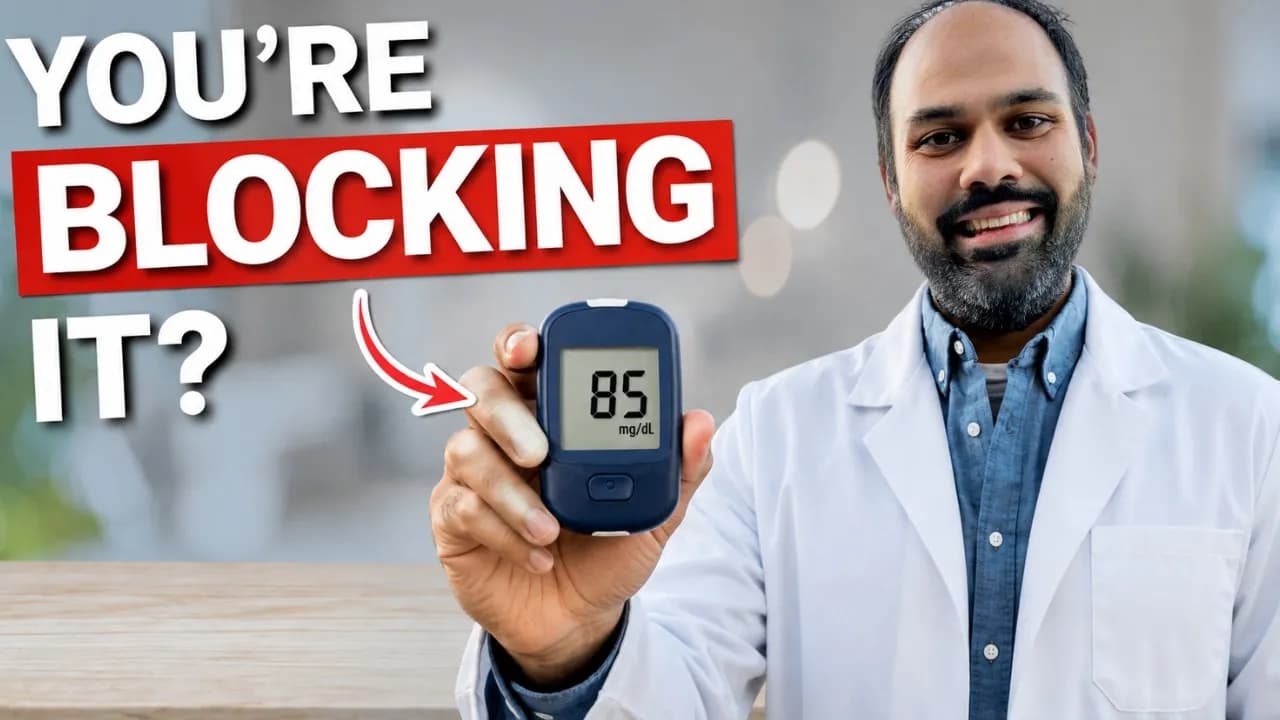
Every time blood sugar goes above 140, it's burning arteries from the inside. This process initiates heart attacks and strokes without any noticeable symptoms. The four exercises demonstrated can pull sugar out of blood in minutes without insulin or pills. The last exercise cut blood sugar by 52% according to research.
When a muscle contracts, it reaches into the bloodstream and pulls sugar out without needing insulin. This works through GLUT4 receptors. Muscles serve as the biggest safety valve against insulin resistance, prediabetes, diabetes, and metabolic disease. Muscles function as a sugar sink in the body, and in many people, muscles pull more sugar out of blood than the pancreas and insulin receptors combined.
The fastest way to engage a large muscle group is climbing. Step-ups using stairs, a sturdy box, or even the bottom step of a porch are effective. Climbing loads the thighs and glutes harder than flat walking. In one study, climbing stairs for just three minutes after a meal cut blood sugar by about 18%. Even one minute produced measurable effects.
Timing is critical: perform step-ups 45 minutes after eating when sugar is flooding the blood. Keep a brisk pace with whole foot placement on the step and stand tall at the top. Three minutes is sufficient. No gym or hour-long workout is required.
A brisk walk right after eating works through precise timing rather than duration. Blood sugar from meals peaks 30 to 45 minutes after eating. In a 2025 study, a 10-minute walk started immediately after eating held the peak at 164 instead of 182 without walking. The key is starting immediately after the last bite without sitting down or reaching for a phone.
Keep the pace brisk rather than a slow stroll. Ten minutes is the minimum, with longer being better. Walking can occur anywhere - around the block, up and down hallways, or around a kitchen island for 15 to 20 minutes.
Bodyweight squats are the most time-efficient option, requiring no gym. Standing up and lowering back down under your own power engages thighs and hips at higher intensity than walking or stair climbing. In one study, 10 squats every 45 minutes cut the after-meal sugar spike by 21% - approximately double the effect of a 30-minute walk.
Slower is better for squats due to time under tension. Stand with feet shoulder-width apart, lower until thighs are roughly parallel with the floor, then rise back up slow and controlled without bouncing. Perform 10 repetitions. Do these in small frequent doses every 30 to 45 minutes of sitting.
The soleus push-up can be performed sitting down and has proven effective in research. The soleus muscle, located deep in the calf, doesn't burn out quickly and runs directly on blood sugar and fat. When engaged properly, it continuously pulls sugar out of blood.
Proper form requires sitting with feet flat on the floor and knees bent at a right angle. The ball of the foot should sit slightly below the knee. Perform a steady tapping motion at approximately 60 times per minute for 10 minutes or more. In the original study, this exercise cut blood sugar rise by 52% and dropped insulin needed by 60% over three hours.
Moving sugar out is only half the battle. What is on the plate determines how big the spike becomes before any exercise occurs. The complete approach involves both the four exercises and dietary strategies for keeping blood sugar low.
These exercises start lowering blood sugar immediately but cannot assess existing arterial damage from years of spikes. Tests that reveal plaque presence are rarely the ones doctors typically run. A seven-step plan addresses the full approach beyond just the four exercises.
Keep Dr. Ford Brewer MD MPH in your library
Save the videos and channels worth coming back to, and find them again in one place.