Going under ground zero, where a dangerous cleanup was underway | 60 Minutes Archive
In a Nutshell
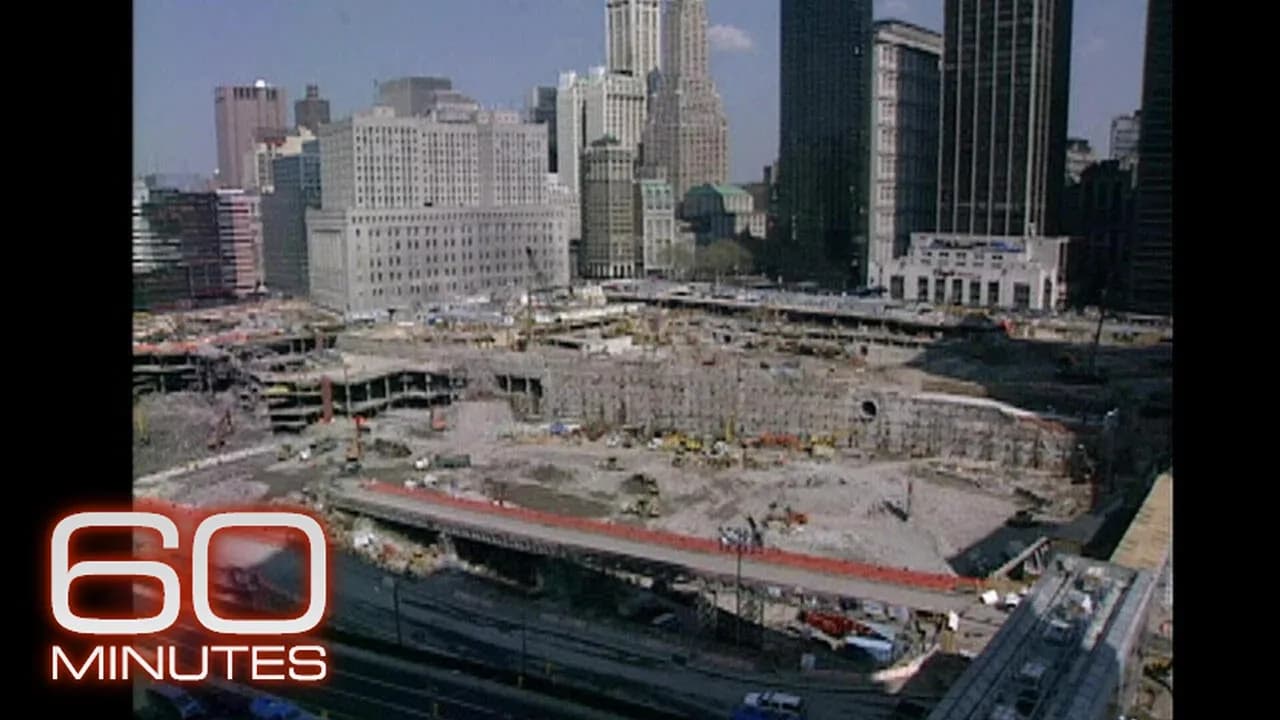
Nearly two months after 9/11, the 16-acre Ground Zero site remained an active cleanup zone with ongoing subterranean fires and unstable structures like Building 6, where vehicles had melted from extreme heat and suspended concrete blocks posed constant hazards. Engineers faced critical challenges stabilizing the 3-foot-thick slurry wall ("the bathtub") that prevents Hudson River flooding, requiring over 1,000 cables drilled 120 feet into bedrock, while managing water from fire suppression efforts to prevent flooding into transit lines. Despite removing 400,000 tons of debris (one-third of the estimated 1.2 million total), the $2.5 billion operation faced years of work ahead, with crews balancing construction demands against the site's sacred nature containing human remains.
These notes were generated by AI and may contain inaccuracies.
The investigation begins at ground zero in Manhattan nearly two months after the September 11 terrorist attacks. The site, covering 16 acres, represents a former underground city that has become a burial ground. Seven weeks and one day after the Twin Towers attack, smoke continues to fill the air as subterranean fires remain active. The complete removal of surface debris will require several more months, followed by an extensive underground cleanup of tunnels, garages, and shopping areas beneath the site.
Commissioner Ken Holden of New York's Department of Design and Construction leads the cleanup operation. Debris from the collapsed towers penetrated World Trade Center Building 6, crashing through nine floors and six basement levels. Large chunks of the building's facade, some weighing 30 tons, fell from the 90th floor and higher, creating an open atrium-like space and leaving the structure unstable both above and below ground.
The descent into Building 6 revealed extensive damage including cracks and fissures in staircases and walls. The team encountered loose concrete blocks suspended only by wires overhead, requiring extreme caution during navigation. The deeper levels became increasingly dark, dusty, and hazardous.
The team discovered cars hanging suspended in the debris field, with tires and rubber components completely burned away. The fire temperatures were intense enough to melt aluminum hubcaps into puddles. The underground garage, formerly used by federal government employees, contained vehicles that had been incinerated by the extreme heat.
Before the attacks, the underground complex beneath the World Trade Center functioned as a complete city beneath the city. Thousands of people visited daily to shop at retail establishments, dine at 15 to 25 restaurants, and access transportation. Between 15,000 to 25,000 people worked in each building daily. The complex included the 1 and 9 subway lines running through the middle and PATH commuter trains connecting to New Jersey.
The PATH commuter rail line operates six stories below ground zero. Standard evacuation procedures during the building fires ensured no fatalities occurred in the station when the towers collapsed. The station normally accommodated 35,000 daily commuters from New Jersey. An abandoned train remains in the station with a sign reading "next stop home," creating an eerie reminder of the interrupted daily routine.
By the time of this report, approximately 400,000 tons of debris had been removed from ground zero. Initial estimates projected 1.2 million tons total, indicating the operation was roughly one-third complete. Commissioner Holden estimated the total cleanup cost at $2.5 billion, with above-ground clearance targeted for completion by the end of the following year. Underground train service restoration was projected to require at least two years.
The World Trade Center complex was constructed with an enormous retaining wall called a slurry wall, measuring 3 feet wide and 60 to 70 feet deep. This structure prevents Hudson River water from flooding the six-story basements. The wall, nicknamed "the bathtub," was designed to keep water out rather than in, enabling underground parking structure construction.
The slurry wall has been supported by basement floor levels for 30 years, but these supporting floors have now buckled due to the building collapses. Engineers plan to install over 1,000 cables to reinforce the wall. The reinforcement process involves drilling through the 3-foot wall, extending 85 feet to bedrock, then an additional 35 feet into bedrock. Bridge cables will be grouted in place, allowed to cure for three days, then tensioned to support the structure.
Despite the slurry wall's presence, several inches of water remain in the tunnels from fire suppression efforts rather than river seepage. The water management remains critical because flooding could spread into train and subway lines, potentially destabilizing nearby buildings. The wall shows only normal seepage levels, but maintaining dryness requires constant attention.
Commissioner Holden witnessed a father searching for his firefighter son among the debris using only a spade. The father had already lost his best friend in an area where roads were being constructed. These encounters represent some of the most poignant moments of the cleanup operation.
Holden acknowledges the site contains both sacred ground considerations and construction site requirements. While he must approach the work as a construction project for operational effectiveness, he remains cognizant that the location contains human remains, suffering, and requires treatment different from any standard construction site.
Commissioner Holden and his team maintain daily presence at the site despite the emotional and physical challenges. Their determination reflects the broader American response to the attacks, drawing parallels to Winston Churchill's statement during World War II: "We shall not fail. We shall not falter. We shall not weary. We shall not tire. Just give us the tools and we'll finish the job."
Keep 60 Minutes in your library
Save the videos and channels worth coming back to, and find them again in one place.