Harvard Professor's Extreme Protocol for 4 Hours of Focus — Arthur Brooks
These notes were generated by AI and may contain inaccuracies.
Routines have similarities with slightly different flavors, likely producing the same neurophysiological effects. After the holy half hour (workout with no nutrition except salty water and high-dose creatine monohydrate), take 15-20 grams of creatine per day. First 5 grams for muscle protein synthesis and volumization, beneficial for workouts. Remaining for neurobiological benefits, especially for poor sleepers—Rhonda Patrick has research showing creatine helps when sleep-deprived. Essential for banking 4 hours of concentration, mostly creativity; best supplement found for optimal creativity later in the morning. Added to pre-workout drink. No caffeine upon waking.
Huberman is right: avoid caffeine to wake up (contested in literature on A2A adenosine receptors, but compelling). Use caffeine to focus, allowing circulating adenosine to metabolize endogenously for clarity and open adenosine receptors. Consume caffeine 2-3 hours after waking to fill those receptors, mimicking modafinil by vacuuming dopamine into prefrontal cortex. ADHD drugs retain dopamine in synapse for focus, concentration, and creativity; caffeine achieves this. Many use nicotine, but speaker avoids due to past cigarette addiction through 20s—nicotine's addictive potential rivals heroin, microdoses escalate to addiction. Caffeine is highly addictive but better studied and easier to self-manage.
Takes 380 mg caffeine (Venti dark roast from Starbucks, 20 ounces; darker roasts have less caffeine but preferred due to growing up in Seattle near original Starbucks since 8th grade). Equivalent to almost four cups of moderately strong coffee. After holy half hour, back from workout at 7:15 AM, brew coffee. Consume 380 mg in a mega dose, takes 30-45 minutes to drink due to grizzled adrenal system and worn HPA axis—needs to "donkey kick" adrenals.
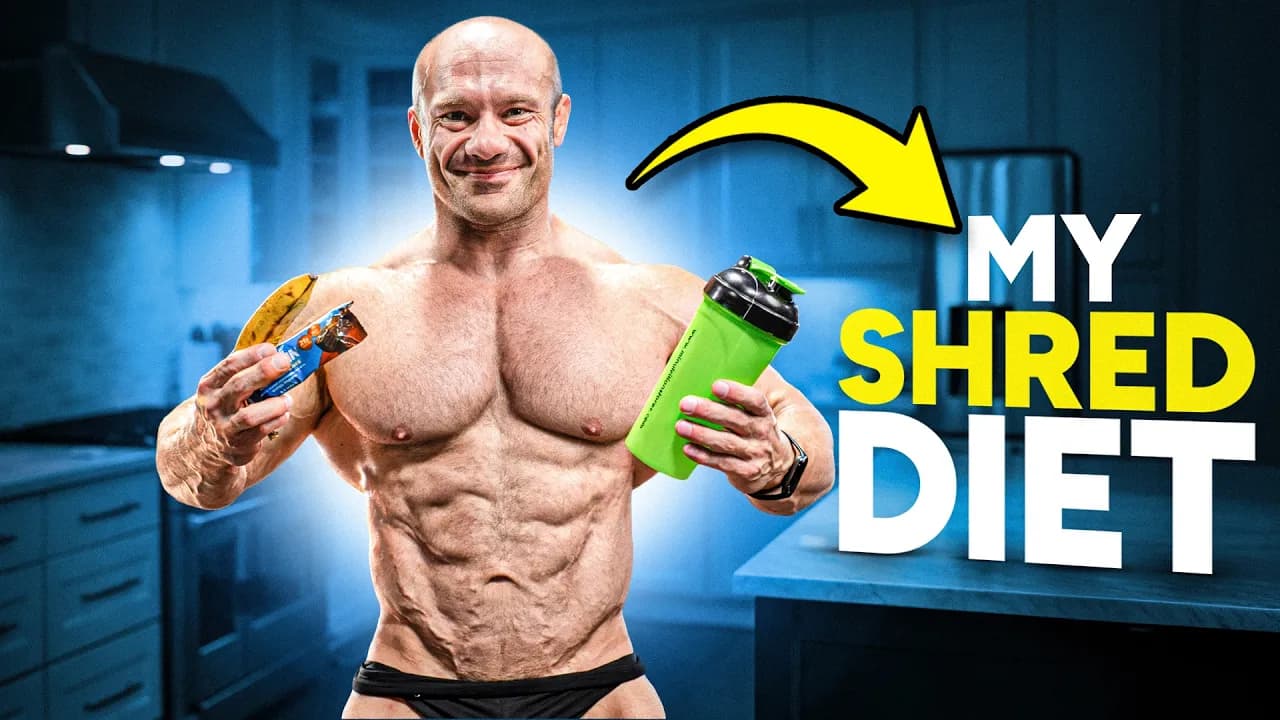
First nutrition: 60-70 grams protein, crucial especially from tryptophan-rich sources for mood management. Uses whey protein powder mixed with non-fat unflavored Greek yogurt (not turkey leg). Fastest-growing foods in America: cottage cheese, Greek yogurt, whey protein powder. Adds artificial sweetener (not afraid of them), micronutrients via walnuts and blueberries. Takes multivitamin daily for decades; older papers claimed ineffective or harmful, but newer research shows neurocognitive protective benefits. Take multivitamins—sometimes morning multivitamin, sometimes AG1 later.
Non-fat Greek yogurt because fat bothers stomach, fills up too much, hard to hit 65 grams protein. Old research claiming only 30 grams protein absorbable per sitting is outdated—more like old wives' tale. Data suggest older people absorb protein better in larger boluses (more protein at fewer sittings). Experimented over years; most comfortable at sub-10% body fat genetically, stays there via 200 grams protein per day, moderate calories—never hungry. Protein-rich diet now popular in culture, aligns with long-known science.
After caffeine colossus and 60-70 grams protein, sit down to write (at home, no distractions—no meetings, Zoom, email, texts, Wall Street Journal unless president or Pope calls). Quiet place yields 4 hours productivity. Old-fashioned way (waking with sun, big espressos, unoptimized brain chemistry) maxes at 2 hours creativity.
Keep Tim Ferriss in your library
Save the videos and channels worth coming back to, and find them again in one place.