He Weighed 668 Pounds Then This Happened
In a Nutshell
Anthony Savage lost 170 pounds after switching from keto to a strict carnivore diet, eliminating chronic pain and inflammation that exercise couldn't resolve. The 90-day carnivore challenge with daily exercise transformed his energy, sleep, and activity level within weeks, allowing him to run, hike, and play pickleball daily. He and his wife maintain strict carnivore eating as fuel rather than entertainment, crediting the diet for faster hair growth, clearer skin, and resistance to sunburn while warning that processed foods and seed oils cause most modern health problems.
These notes were generated by AI and may contain inaccuracies.
Anthony Savage weighed 668 pounds at his heaviest. In January 2025, he returned to the keto diet and lost some weight. He and his wife went to South Hawaii for their 8th wedding anniversary and did not follow keto there. Upon returning, they felt pretty sick.
Their friend Damian encouraged them to do a 90-day carnivore diet challenge along with 90 days of daily exercise. Anthony started the proper human diet on June 9, 2025, making today day 457 of his journey.
Anthony has been obese his entire life. He posted baby pictures, toddler pictures, and kindergarten pictures showing he was always big. He never knew why. He was able to yo-yo up and down 30 to 50 pounds but would always stop and the topline number kept getting bigger year over year.
In 2022, he was traumatically injured and it took him 18 months of physical therapy to learn to walk normally again. He dealt with chronic pain every day - shoulders, back, legs, and feet hurt. He suffered if he tried to work out twice a week and felt like he couldn't get out of bed the next day.
As soon as Anthony switched to the proper human diet, a light bulb went off. Within a couple days, he felt incredible. He had energy, was working out, and recovering the next day to go back to the gym or go on a walk. After the first two weeks, he felt like a completely different person with so much energy and sleeping better.
He has been exercising every single day in some way - hiking, walking, sprinting, flipping tractor tires, hitting them with a sledgehammer, going to the gym, lifting, and playing pickleball. The only exception was when he had pneumonia in June and had to take a couple weeks off.
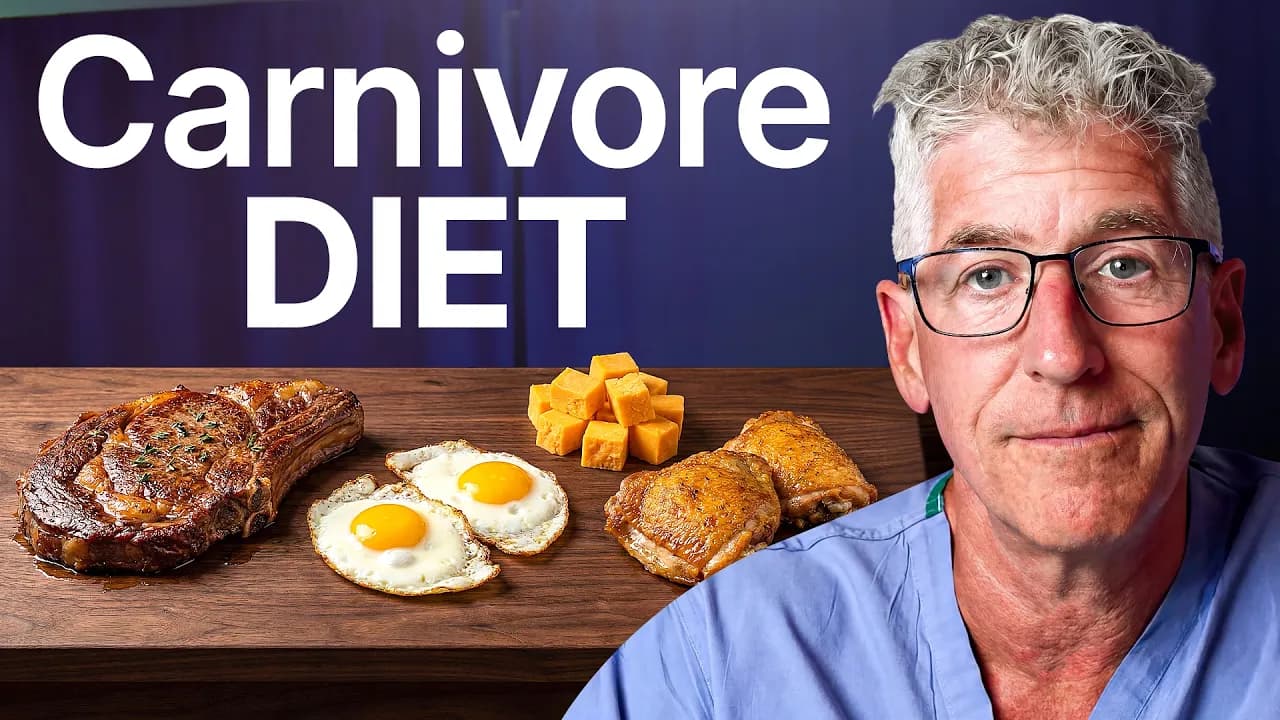
Anthony was able to lose a little bit of weight on keto but never experienced the reduction in inflammation and pain that he experienced on the carnivore diet. He believes keto might work for some people and is in the family of the proper human diet, but if someone has been doing keto and isn't finding healing or success, the carnivore diet might completely transform their life.
Anthony was initially a little hesitant about just eating meat, but he was only committed to the 90-day experiment. The longer he did it, the more it felt natural rather than extreme. He learned there are alternatives and doesn't have to give up everything he loves. He follows Chris Cooking Nashville and makes carnivore-centric recipes like the meatballs recommended by the host.
He now cannot imagine deviating from it because he has too much energy, sleeps through the night, and can be incredibly active. He can run short distances, which he was never able to do before or after his injury.
Anthony used to have a lot of food noise and did late night snacking. He had the mindset of waiting for the next meal, which is now gone. He can fast for multiple days and intermittent fasts every day. He no longer looks at food as entertainment - it's fuel to sustain him, though he still enjoys a good ribeye or steak.
He and his wife used to go out to eat a lot and make food the center of attention. When they stopped living that way, it was easier to add more time for physical activity and take up hobbies involving movement like pickleball, where he burns calories for three hours without realizing he's working out.
He now walks through the grocery store and sees aisles full of manufactured garbage in cardboard boxes as not food - it's the lie that has been sold and taught to embrace. He no longer has brain fog and understands what it's like to properly provide nutrition to his body.
Anthony doesn't harbor a lot of resentment because often times we don't know what we don't know. He acknowledges there are people at the top of food companies who realize what they're doing to people and those people need to repent of their evil wicked ways. He is a loving, forgiving person and understands we all have limitations on what we know. He notes that many doctors recommend foods that are very bad because they don't know what they don't know, and medical professionals need better education about what food can actually do and how it can heal.
Anthony's biggest piece of advice is to try the carnivore diet for 90 days. He and his wife did it together, holding each other accountable and talking every day. He recommends staying hydrated and drinking a good electrolyte. If someone can stay hydrated, keep electrolytes balanced, and commit to 90 days, it might change their life.
He notes that at worst, you're going to have a lot of ribeye for 90 days, which is the only downside. The host encourages people to do it for 90 days to see how they feel, then continue until they find their healing before testing out keto or ketovore versions.
Anthony has lost almost 170 pounds. His wife Ariana has lost 71 pounds and is basically at her goal weight. She is super inspiring to him. She dabbled a couple times in the ketovore space, adding avocado or blueberries, but felt not optimal doing that, so she has gone back to being strict carnivore.
They were at Damian's birthday dinner eating macaroni salad, broccoli salad, potatoes, burgers, and hot dogs - their last meal before going carnivore. Damian said he was starting carnivore the next day for 90 days and they agreed to try it together because they both needed to lose weight and were tired of trying different things that never worked.
After the first couple weeks, they felt they could do it for 90 days, then kept feeling better and better and never stopped. Damian did carnivore for a while, then has gone off to do other low carb stuff but returns to periods of carnivore diet.
Anthony recognizes it's a blessing to have his wife on board. He thinks he still could have done it on his own, but it would have been way harder with different types of food in the house. It's nice that everything they have is something they can both enjoy together on the carnivore diet.
The host notes that if someone is doing it solo, they shouldn't use that as an excuse - lots of people go solo. The advice is to consider some sort of community, even if not paid. The host's community when starting was on YouTube with Dante Ferraro, chatting with people and asking questions. Surrounding yourself by like-minded individuals increases odds of succeeding because we're living in a world where we're the weird ones eating this way.
The host points out that with all this healing, Anthony and his wife are probably going to grow old together and live 30 to 40 years longer than they would have otherwise. Anthony would love to be aging like Maggie, jumping over fences, and if he can be 80 years old taking care of cattle, he would be happy.
Anthony doesn't know how Damian heard about carnivore and will have to ask him. The host likes to track it back and notes that a lot of times it goes back to Dr. Baker on Joe Rogan.
Anthony was exposed to the host's content, Dr. Ken Berry, Sean Baker, and Anthony Chaffee. He saw videos from these doctors and others while looking into keto stuff. He started watching tons of content from these trusted people when he started carnivore. He recommends immersing yourself in whatever you can find online from trusted people in the space, watching what they're making for food and doing for activity.
The host notes that many carnivores have YouTube videos going constantly in the background. It's simple in many respects - beef, butter, bacon, eggs - but there's so much more to learn when you get deeper. Once you heal your body, you often need to heal the brain and spirit. People start doing other things like fasting, getting more sunshine in the morning, and grounding. You get busy living and start doing things like exercising and running that you never did before until healing and getting the energy to do it. It's like having a new sports car and wanting to test what you can do with it.
Anthony's hair used to grow pretty slow and he only needed a haircut every six to eight weeks. Now he's getting a haircut every 11 to 12 days because his hair is growing exponentially faster and thicker. He attributes this to proper nutrition from the diet. His skin is the clearest it's ever been. The sun doesn't burn him - if he gets a little red from being out in the sun, the next day it's just more tan. He has a pickleball tan from being outside so much.
The host confirms these experiences, noting that not getting sunburned anymore relates to no longer poisoning ourselves with seed oils. Under a microscope, skin is full of inflammation and oil when consuming seed oils, making people more susceptible to burning. Our ancestors weren't dropping dead from skin cancer because they weren't eating the stuff causing them to burn more.
The host is 1,275 days carnivore with no fruit, vegetables, or extra vitamins - all nutrition through meat - and has never been healthier with incredible blood work. Anthony asks if the host's nails grow faster too, and the host confirms especially on his feet. The host had a white patch on his head for years that is now completely gone.
The speaker and his wife make their own tallow from fat purchased from a local farm where they bought half a cow. They render the fat into tallow for multiple uses including making lotion and skin cream for their face, as well as cooking. The speaker notes that tallow was historically the standard cooking fat before the introduction of vegetable oils.
The speaker began documenting his 90-day journey on Facebook and Instagram to hold himself accountable, reasoning that having followers who knew him personally would make it harder to give up or fail. What started as a personal diary of exercise and diet evolved into building a community he calls his "savage family" where members encourage each other.
The speaker spends significant time responding to messages from people seeking encouragement, prayer, and information about the carnivore diet. He never expected the platform to become a support system for others but is grateful for the opportunity to help people see that change is possible. He emphasizes that people are not alone in their journey.
The speaker receives messages from people reporting significant weight loss after following his journey, including one person who lost 80 pounds and another who lost 40 pounds. These messages keep both him and his wife motivated. The speaker reads every comment and private message possible, finding inspiration in hearing other people's stories.
The speaker's response to praise for his work is always "all glory to God." He emphasizes that individuals must take responsibility for their own changes, noting that changing one's life and going against everything previously believed about diet is difficult work.
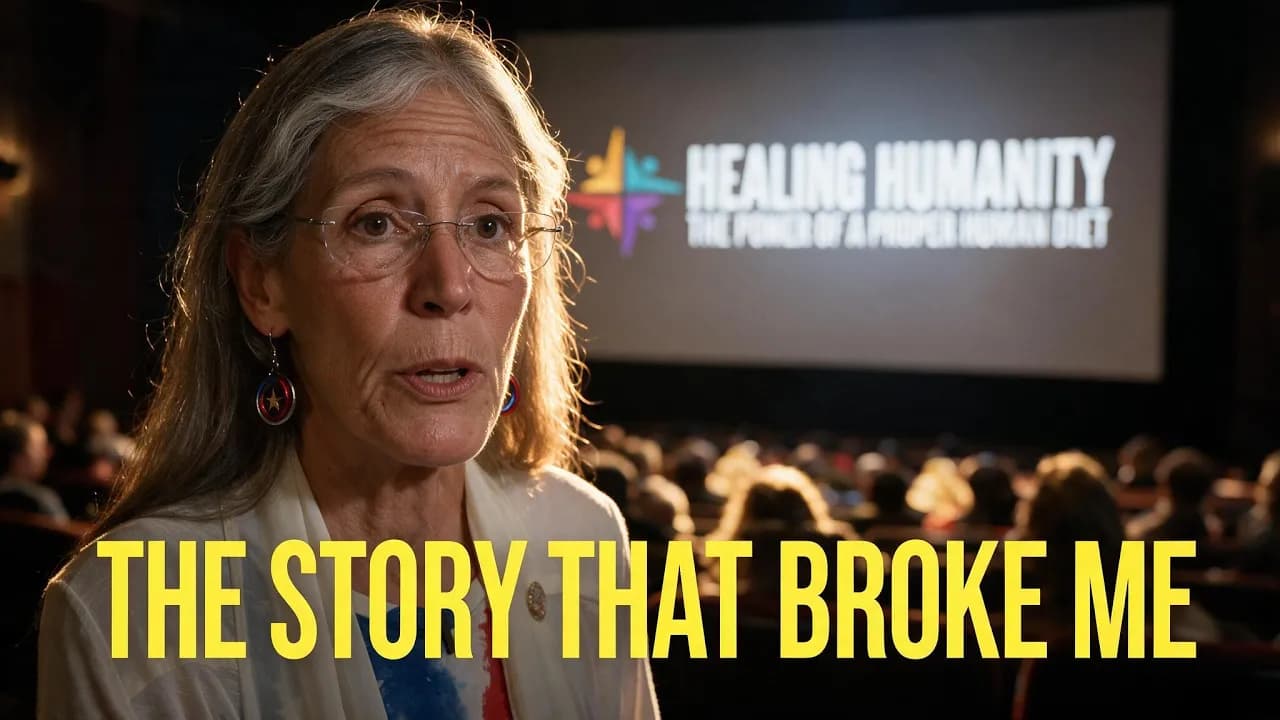
The speaker attended a movie screening in Columbus where he met fellow Proper Human Diet supporters. He found it valuable to be around like-minded individuals and looks forward to Meatstock next year. He specifically mentions meeting Earl, who also lives in Ohio.
The speaker describes the documentary as the most well-done documentary film he has ever seen. He particularly appreciated how the narrative was crafted with multiple people's stories interwoven while telling the story of the proper human diet. He hopes for a follow-up movie and mentions that shorter episodes are planned.
The film is available for pre-order until October 23rd at healinghumanity.mmov. After October 23rd, there will be a 30-day streaming window available worldwide. The theatrical screenings and limited streaming window are designed to gather data for major distributors including Netflix and movie theaters, as these platforms prioritize numbers over content.
The documentary's editor John was already carnivore when approached about the project. John had been watching the host's YouTube channel before any carnivore content was created, originally following homesteading videos about chickens and goats.
The speaker was recognized by followers at the New York State Fair, seven hours from his home in Ohio. At his local county fair, 30-40 people approached him. He describes being recognized as "weird in one of the best ways" and finds it humbling.
The speaker is planning to attend Meatstock. The host warns that with 1,500 people attending, the speaker should expect to be stopped frequently by people wanting to share their stories. The speaker responds positively, stating "I'm here for it. Let's go. I love stories."
The speaker notes that there is financial incentive in keeping people sick through medical debt and pharmaceutical bills. Processed food is marketed as affordable and convenient. He emphasizes the need to continue sharing stories to create a domino effect in favor of people's health.
The host discusses how profit incentives in healthcare lead to treating symptoms rather than healing, resulting in young people being placed on multiple medications. He expresses concern about the next generation consuming processed foods with food dyes and high sugar content from a young age.
The speaker notes that many processed food and cereal companies were previously cigarette companies that applied the same addiction model to food, which is more profitable because everyone must eat.
The speaker concludes that ultimately change is up to the individual. Many people, including himself before his transformation, simply did not know that depression, anxiety, and health issues could stem from food choices. Education through sharing stories enables individuals to make informed decisions.
The speaker advises that anyone can commit to 90 days, noting that 90 days passes quickly in the grand scheme of life. He emphasizes that people who never attempt the diet will miss experiencing optimal health, having only known inflammation, brain fog, and sickness.
For those who find the transition too drastic, the speaker advocates gradual change. He references Coach Lisa's advice to "get 1% better today" and "get 1% better tomorrow." Examples include transitioning from Coke to Diet Coke, then to sparkling water, then adding exercise. After 100 days of 1% improvements, a person would be 100% better.
The speaker had the advantage of already following keto for years before transitioning to carnivore, which made the switch easier. He recommends that those not ready for full carnivore start with keto, limiting carbs to 20 or less to allow the body and gut to adapt.
The first couple weeks on the diet can be tough, with some experiencing keto flu symptoms including fatigue. The speaker advises drinking plenty of water and getting electrolytes. He emphasizes that these symptoms are temporary and that quitting too soon prevents people from reaching the easier phase that follows.
The speaker's final piece of advice is to have a written "why" - the reason for making the change. He stresses actually writing it down rather than just intending to, whether the goal is growing old with a spouse, losing weight, or another specific motivation.
Track progress daily using a phone app or written record. At 1,275 days, the speaker still tracks daily because seeing the number provides ongoing motivation. When starting, tracking by the day is especially important because reaching day 24 represents a major achievement. When facing temptation, consider whether to discard accumulated healing days for a single moment of indulgence. The intentionality of having something written down creates accountability.
Transitioning from the standard American diet to the proper human diet can cause rough feelings for the first couple weeks, comparable to detoxing from drugs or alcohol. The body may feel violently sick as it adjusts. This temporary suffering is worthwhile for the incredible healing that follows. Stay hydrated by drinking a gallon and a half to two gallons of water daily. Use sugar-free electrolytes without additives to support the transition.
Some individuals require direct messaging during the struggle: "Suck it up, buttercup." The discomfort comes from detoxing after decades of unknowingly poisoning the body. The suffering lasts only days or one to two weeks while the body purges toxins and cleanses. Once through this phase, the process becomes significantly easier.
Be strict until finding healing rather than attempting moderation. Those who allow cheat days with artificial sweeteners or berries suffer the most because cravings never fully disappear. They attempt to moderate their carbohydrate addiction, which cannot be moderated. Those who abstain completely thrive and reach day 30 wanting to continue to day 60 because they feel incredible with no cravings. Not everyone needs to be as strict as the speaker, as each person follows their own journey, but strict adherence for the first 30 days makes the process substantially easier.
People possess greater internal strength than they realize and do not need to succumb to the weaknesses that have maintained unhealthy patterns throughout life. Stop making excuses, do hard things, and be a savage. This mindset helps carry on and persevere through the process.
Contact information includes the handle "@RealAnthonySavage" across platforms including YouTube, TikTok, Instagram, and Facebook. Search "Anthony Savage weight loss journey" on Facebook for additional content. The speaker welcomes friend requests from the Proper Human Diet community and responds to private messages. Links to all social media accounts appear in the video description.
Keep HomeSteadHow in your library
Save the videos and channels worth coming back to, and find them again in one place.