If I Started a Carnivore Diet in 2026, I'd Do This
In a Nutshell
If starting the carnivore diet in 2026, follow these seven steps: (1) baseline photos and MRI to track hidden disease reversal; (2) pick "living carnivore" (animal products + fermented fruits/veggies, no sugars) for sustainability over stricter versions; (3) buy bulk grass-fed/grass-finished meat (e.g., pmnni.com with code alphashanx30), wild seafood, full-fat dairy; (4) expect 1-2 weeks of fatigue—hydrate, electrolytes, eat fat; (5) track photos, MRIs, energy, sleep, effortless poops (3-5s type 4 stool), strong urine stream—not scale or cholesterol; (6) handle social scenes with portable fermented foods and MRI proof against skeptics; (7) memorialize changes with ongoing photos/videos for lifelong commitment. Grass-fed meat reverses visceral fat/disease (e.g., spider veins, balding, heart fat) visible in MRIs and performance gains. Ignore carb cravings; it's disease loss, not weight loss.
These notes were generated by AI and may contain inaccuracies.
The carnivore diet is one of the most talked about diets today. Most advice is either wrong or missing what actually matters. As a medical doctor and researcher who has worked with patients from baseline labs to months in, here are the seven steps to follow if starting the carnivore diet in 2026.
Understand your baseline as a critical starting position. Most people skip it, which is a mistake. Think of it as a road map—you need to know where you are to know where you're going.
- Start with photographs of your body, face, chest, abdomen, back, arms, legs, hands, and feet to track skin, hair, body lines, contours, shape, arteries, veins, even spider veins.
- Example: Ankle spider veins in 2015 vs. 3 days ago (captured over 11 years). They were raised, high, swollen, purple; now flat, light pink, barely evident because blood flow improved.
Get an MRI to see disease inside your body that you and doctors don't know about—disease filling abdomen, surrounding heart, filling muscles. Capture it as a starting point to see it reverse and resolve later.
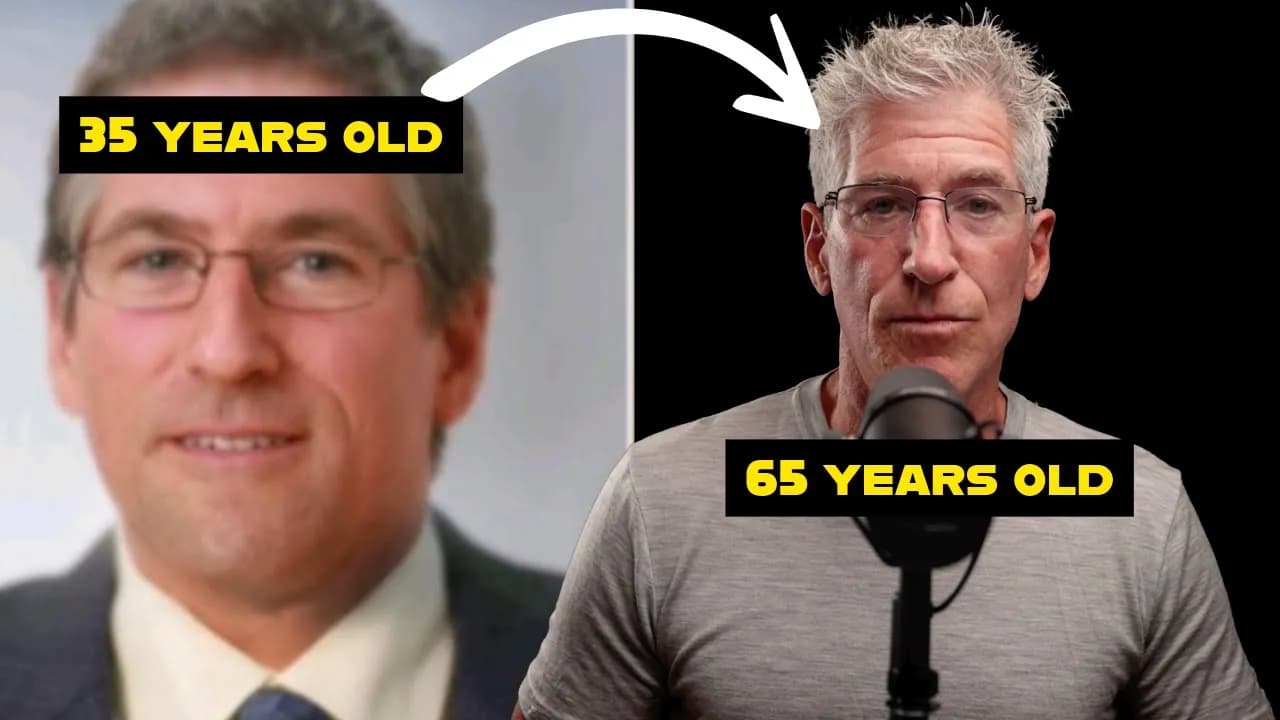
As a researcher for the National Science Foundation, discovered that when disease leaves a body, people look much better and performance improves—never learned in medical school because nobody got really better.
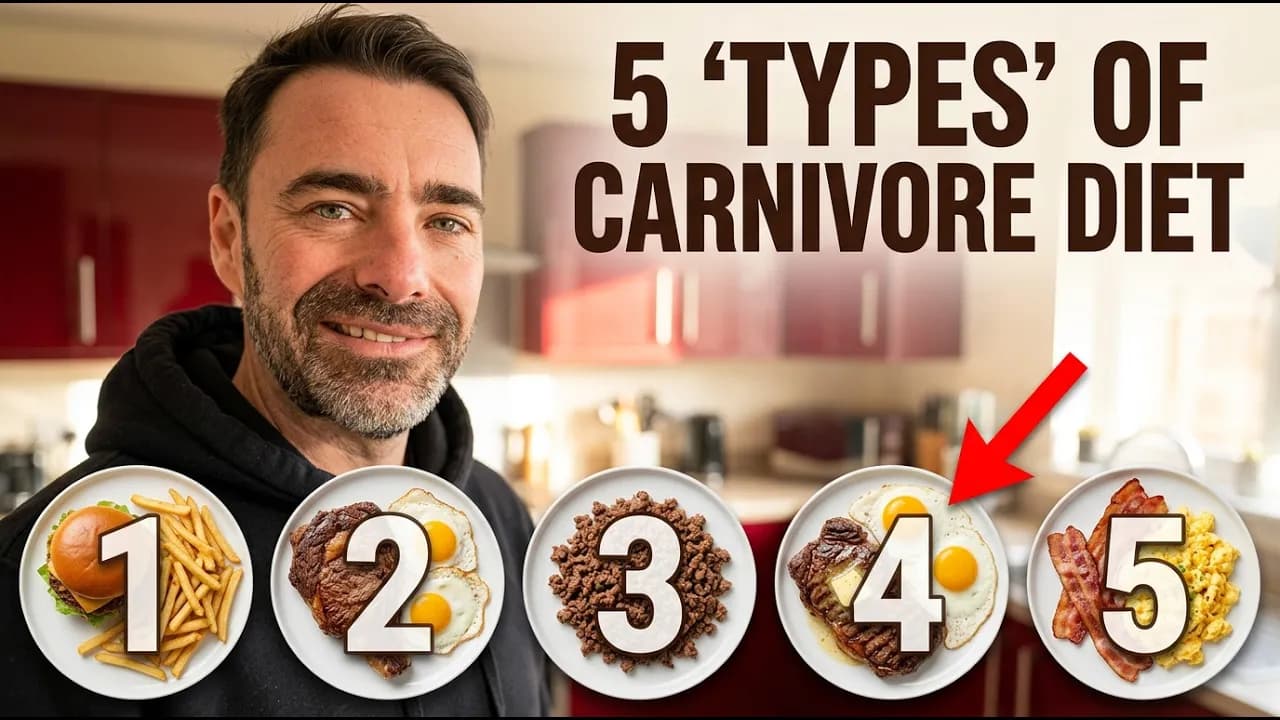
Four basic versions:
- Lion diet: Beef, salt, water. Nothing else. Ruminant beef, salt, water.
- Standard carnivore diet: All animal products—anything from an animal origin, nothing else. Seafood, chicken, pheasant, duck, etc. Lots of choices.
- Animal-based carnivore: Animal products plus fruit and honey. Problem: Adds fructose, which accelerates glycation (tissues age). Long-term adherents age their skin, thin subcutaneous fat, big veins like an 80-year-old.
- Living carnivore diet: Animal products only, no fruit unless fermented, no vegetables unless fermented. Adds living food.
Start with basic carnivore (animal products) for variety and choices (many cuts of meat). Avoid starting with honey/fruit as it holds back results from eliminating carbs, especially fructose. Best: Living carnivore with animal products and fermented fruit/vegetables (no carbs)—sustainable, easier.
Buy grass-fed, grass-finished meat—best is game meat (get from sellers). Grass-fed/grass-finished is very lean, almost no marbling. Grain-fed has disease-like marbling.
Variety: Ribeye, New York, top sirloin, bottom sirloin, picanha, round roast, rump roast, chicken, poultry, seafood.
Budget-friendly: Buy in bulk—quarter cow, eighth, half, whole (needs freezers; speaker has two in garage). Recommend pmnni.com, code alphashanx30 for 30% off every order.
Seafood: Wild-caught only, not farmed (like grain-fed beef).
Dairy: Full-fat whole milk (3.25%). Avoid low-fat/non-fat—more inflammatory due to manipulated macronutrients.
Fruits/vegetables: Only adequately fermented (no longer sweet, has tang). Not just a few hours.
First week (maybe two): Fatigue, headaches, digestive changes, cravings (especially for carbs/processed foods).
Electrolytes cycle faster—supplement electrolytes, stay hydrated (drink when thirsty). Modern water/food deficient (no chlorinated tap water, avoid plastic bottles, use glass).
Eat adequate fat—don't fear it. Ancestors valued fat, ate nose-to-tail.
Not bathroom scale. Track:
- Photographs of face, hair, body.
- Example: Client Jason—thinning hair/balding reversed, visceral fat around heart reduced in just over a year; performance improved.
- MRIs to see disease flee.
- Energy, sleep quality, cognitive performance, mood, digestion.
Health metric: Bathroom habits. Only as healthy as you poop/pee.
- Bowel movement: 3-5 seconds effortlessly like a reflex, type 4 stool (pointed at both tips)—feels like an orgasm, opposite of constipation.
- Pee (guys): 21 seconds for full bladder, no dribbling, strong stream (over hood of a car).
Body lines/contours improve—no bulging belly, straight skeleton vs. curved back from disease.
Avoid tracking silly cholesterol or scale—miss amazing changes.
Restaurants: Seek grass-fed/grass-finished beef, wild seafood. If not, eat grain-fed best you can.
Bring fermented foods discreetly in small mason jars or baby food jars (pocket-sized, "reverse shoplifting")—dump on plate for variety at restaurants, family gatherings, Christmas/Hanukkah parties.
Objections from family/friends (concern over "weight loss"): It's disease loss. Show MRI ("not losing weight, losing disease"), photos (better face, thicker hair, reversing spider veins). Don't let it persuade you.
Doctor objections: Hit back with science, same evidence.
Memorialize with photos, MRI to make it your new life, not 30-day experiment.
Track performance: Workout metrics—get faster, stronger. Capture quality improvements with videos/photos.
Carnivore is one approach. For getting rid of most dangerous fat (visceral, heart, muscle fat), see linked video ranking methods from waste of time to effective, based on medical evidence.
Keep Sean OMara, MD JD, Health & Performance Optimizing in your library
Save the videos and channels worth coming back to, and find them again in one place.