How natural disasters are exploited to manipulate people online
In a Nutshell
Extremist groups like white supremacists and fascists exploit natural disasters by staging "help" efforts to recruit followers and spread anti-government propaganda online, while conspiracy theorists claim disasters are government-manufactured via directed energy weapons. Russia and China amplify U.S. narratives portraying government incompetence—such as aid to Ukraine over domestic recovery—to manipulate public opinion using fake accounts and state media. AI-generated images, like a flooded girl with puppy or burning Hollywood sign, heighten emotional engagement regardless of authenticity, boosting visibility and resonance.
These notes were generated by AI and may contain inaccuracies.
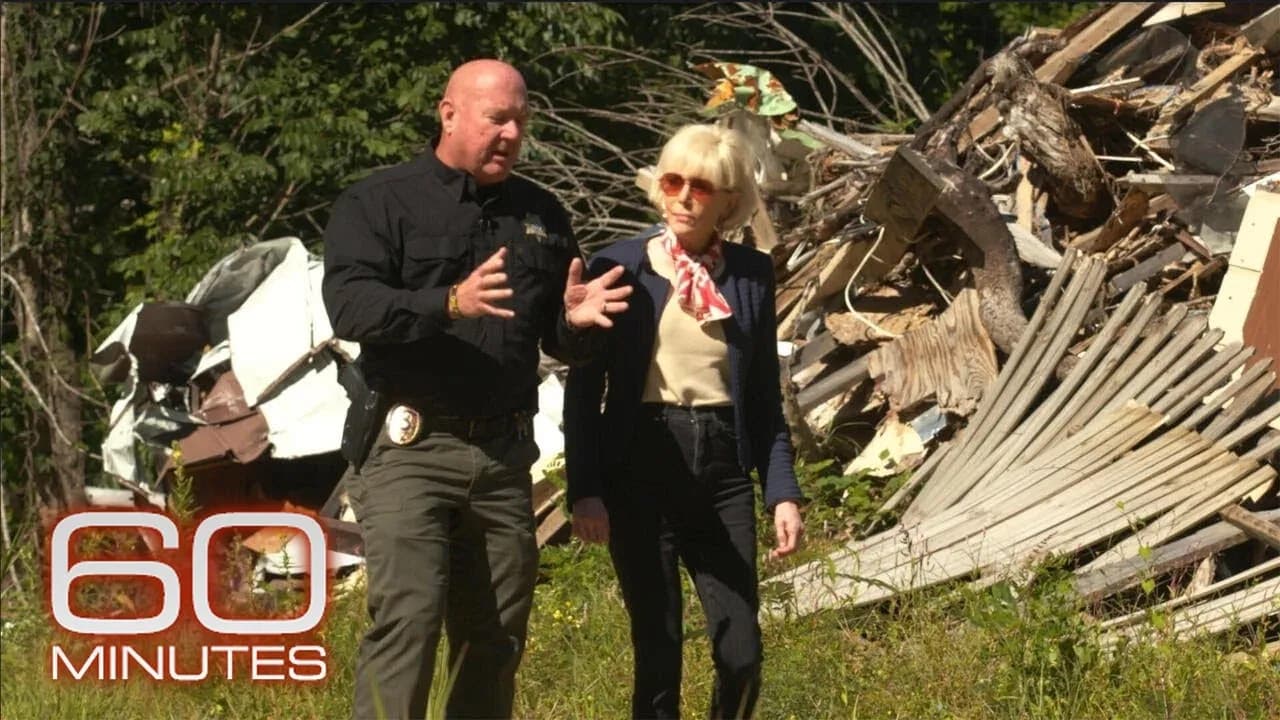
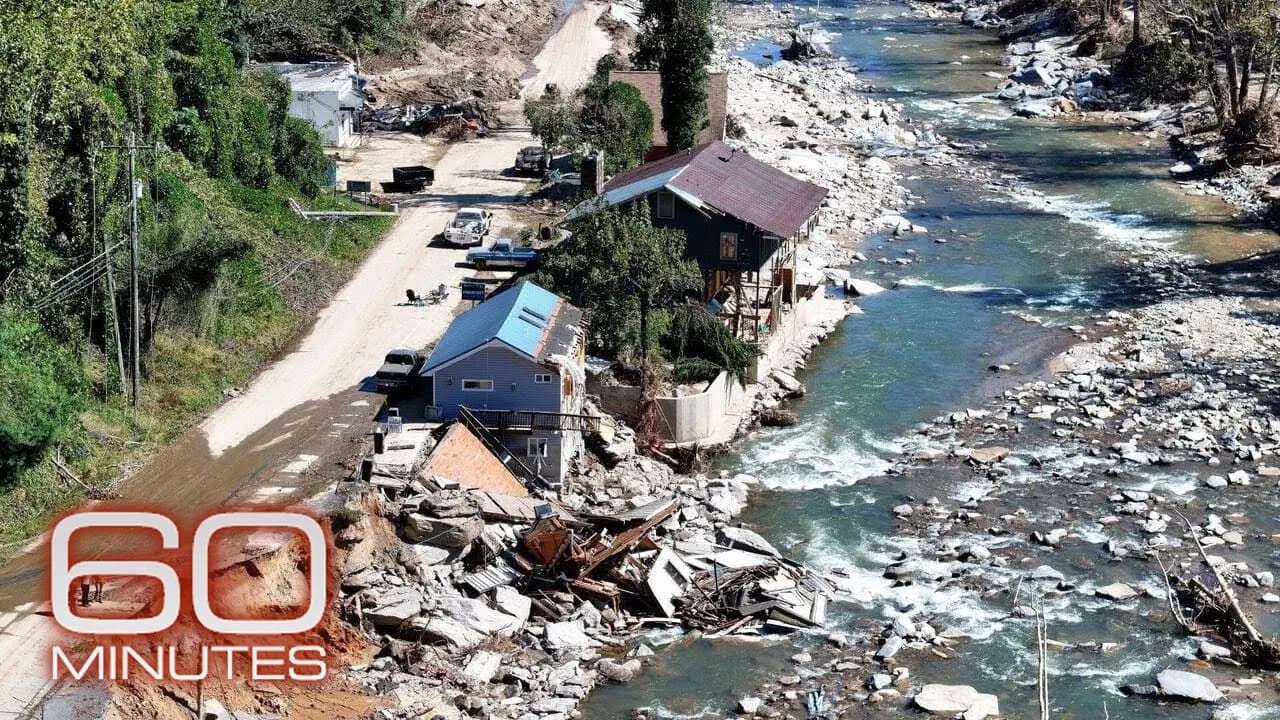
60 Minutes overtime. We truly are supporting our communities and being America first. >> We're doing a story on natural disasters and how far groups are showing up to quote help. Some of them are fascists, some of them are white supremacists. >> Are you sure just one life? >> They show up so that they can present an image of themselves as being helpful and wholesome. They're there really to say the government isn't doing their job. >> Front is here >> and to take videos of themselves doing these good works to recruit to gain followers. And you might be scrolling through interested in the flood in North Carolina, the fires in California. And you would think that the main purpose they're there is to help when in fact they're white supremacists and they're looking for eyeballs. There are very few things that bring the public's attention to focus on one thing in unison and natural disasters is one of those.
John Kelly is the head of Graphica. It's a company that tracks how propaganda, conspiratorial messages spread online. >> So this is an example of the kind of posts that we see around natural disasters. >> What Graphica has noticed is that these groups put out these messages online. But what you can see is the way that it's being used to help tell a story of we're here on site and we're pitching in. >> Yeah. >> This also has a white nationalist message. >> We have learned from this experience that whites are on our own. White unity at every opportunity. >> One of the anti-government conspiracy groups put out a message that the government had created Helen. The government manufactured the weather disaster. >> Now, this is a directed energy weapon utilized to manipulate the weather. These are weapons of mass destruction. >> These conspiracy theories are useful to them and so they use them. People engage with that content. It's there because people are clicking on it and they like to consume it. And so they can pick this stuff up that they think may resonate with a larger audience to help build their following, build their exposure.
It's not just these groups that are now exploiting these natural disasters in order to get eyeballs. Russia and China are doing the same thing. >> Russia and China put a great deal of effort into building their capability to manipulate publics through digital means around the world. And it's a sophisticated system. These countries are pouring billions of dollars into these capabilities. So with China have thousands of fake accounts, personas that seed or generate or post content and then there's a second wave of fake accounts that come along and amplify that content, try and boost it. And then some of that content is then later engaged with by the official ambassadors and state media and things like that. It's a very sophisticated operation >> and they sometimes take an existing message from an American and they blow it up and disseminate it as widely as they can as an example of how our system doesn't work. >> What we see China doing is taking narratives that portray the US government as being ineffective or not operating in the interests of American citizens and boosting those narratives.
You have an American message produced on the left making this comparison between Asheville and Keefe. The implication being that we don't have enough money to fix what's going on in North Carolina because we sent it all to Ukraine. But then that's picked up by a Chinese influencer. They change just one little piece of it. They say while our tax dollars continue to fund Ukrainian pensions in the original message, they just take out the hour, right? >> So this is an example of what we see the Chinese covert informationation operations doing all the time. They didn't produce this cartoon, but they amplified it. They don't have to make it. They can simply try to increase its visibility.
There are AI images that make floods and other natural disasters look worse than they actually were. For example, the Hollywood sign on fire. Look at that. That is scary. >> An iconic American city is in flames. It's a way of kind of taking the fact that we know Los Angeles is burning and creating a visual image to represent that in the most powerful possible way. >> Lamborghini covered in ash. The point here is that AI generates extremely high quality engaging imagery. Well, you might think it's real at first, but it almost doesn't matter whether you think it's real. Once you've encountered it, it's had its emotional impact. It's gotten your attention. content that's highly engaging. Whether or not you think it's real or not, it serves the purpose.
AI created an image of a little girl with a puppy supposedly in the middle of a flood and it was spread widely. >> The impact of this is not that you think that's a real little girl with a real puppy. I mean, you might at first glance, but it's that it is so emotional, gripping, and powerful. Uh, >> totally. And so AI, it's not so much about fooling people into thinking something's real that's not. It's about engaging them with content that is extremely high quality, extremely emotionally evocative, gets their engagement attention, and helps to move them somehow.
Keep 60 Minutes in your library
Save the videos and channels worth coming back to, and find them again in one place.