The internet is dying
In a Nutshell
Nikita warns that spam and AI bots will soon render iMessage, calls, and Gmail unusable, fueled by OpenClaw—the top GitHub project enabling anyone to deploy sophisticated AI agents for emails, calls, and scams that outperform human spam. Chinese tactics flood searches with porn to suppress dissent, while AI content, optimized via RHF for maximum engagement, is collapsing the internet's economy: Google traffic to publishers dropped 38%, and 10% of YouTube's fastest-growing channels are pure AI slop. The future demands trusting only pre-vetted humans, as all stranger outreach—personalized emails, LinkedIn pitches, or flirty DMs—is fake and engineered to fool you.
These notes were generated by AI and may contain inaccuracies.
A few weeks ago, Nikita posted on his own platform: "In less than 90 days, iMessage, phone calls, and Gmail will be so flooded with spam and automation that they will no longer be usable, and we will have no way to stop it." This comes from someone professionally impacted by spam daily. Two weeks later, he purged 1.7 million bot accounts off X, and they respawned the next day.
Bots used to be simple but now have a PhD in natural language processing and a Bitcoin wallet. Someone asked why it's getting worse, and his answer was OpenClaw.
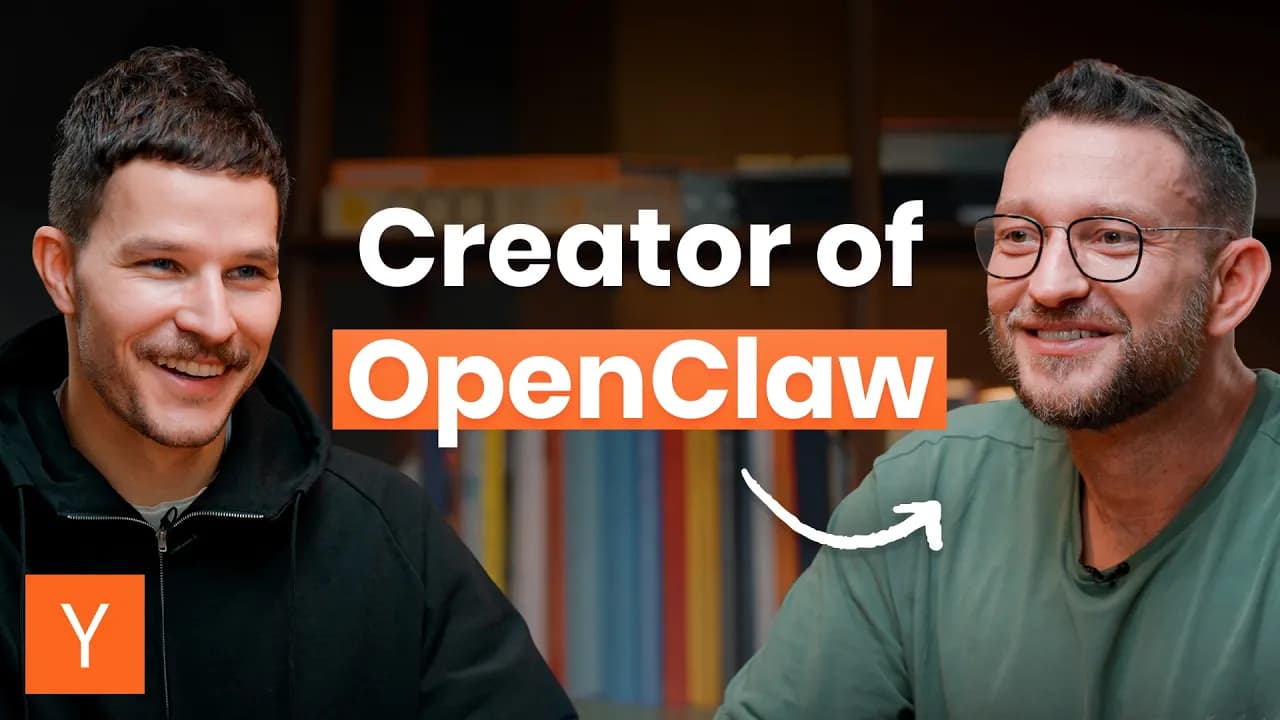
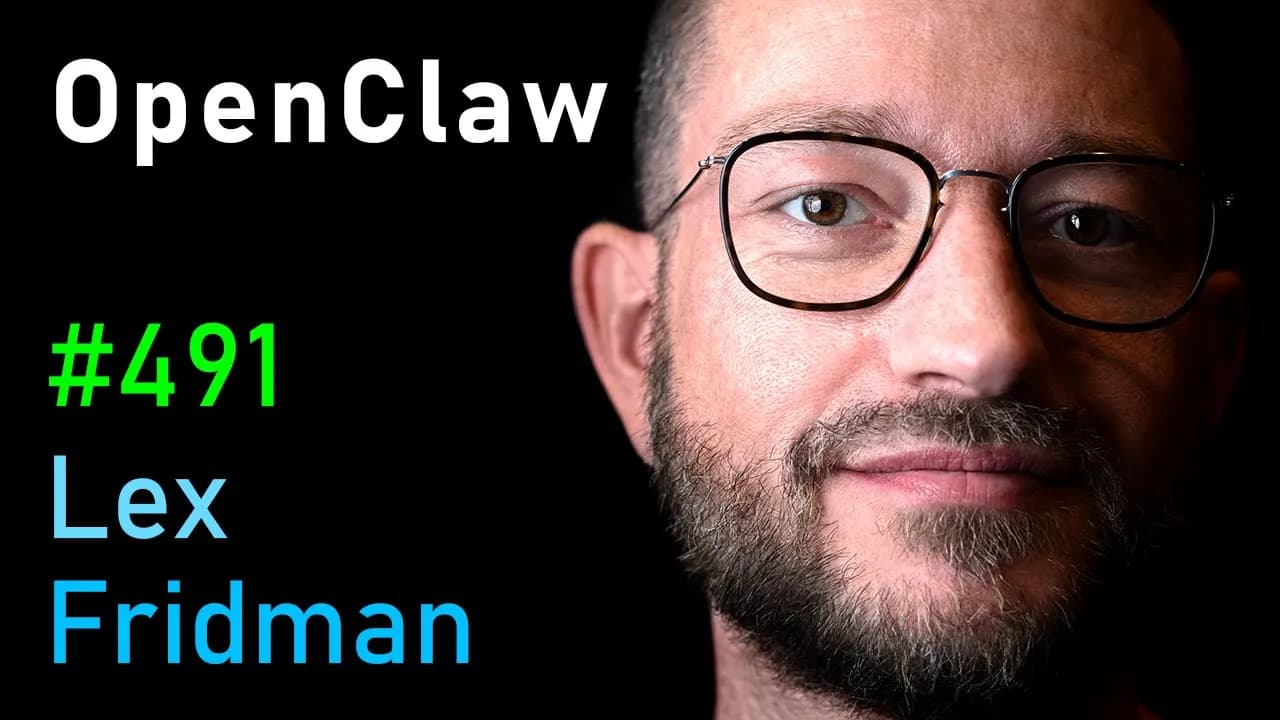
OpenClaw is the highest starred software project in GitHub history, with more stars than React. Jensen Huang, CEO of Nvidia, called it the most important open-source project in the history of humanity.
OpenClaw lets anyone with a laptop build an AI agent that can send emails and texts, browse the web, make phone calls, and impersonate you. Example: Some guy used his OpenClaw to negotiate car prices with dealers over iMessage while at brunch.
Nikita's point: What happens when every scammer in Nigeria, every crypto bro in Miami, and every horny catfisher in Wyoming gets one? Previously, spamming required operating servers, writing scripts, and reading code. Now, just a laptop and the moral compass of a pharma CEO.
Spam is more than a nuisance. The Chinese government floods X search results with porn during political unrest. Search results for Chinese keywords become nothing but tits and ass, drowning out information with more engaging content. Example: Guy in Beijing searches for protest footage on X and ends up jerking off for 45 minutes. The CCP monitors via webcam. "You can't overthrow the government while you're jerking off." It's the great come wall of China. We all live behind that wall now.
Reply spam on X evolved from hot girls in bikinis saying "Check out my profile" to AI-generated hot girls with AI-generated bikinis saying "Check out my AI-generated profile," linking to an AI-generated crypto scam. We used to get scammed by real people.
Every AI-generated content is engineered at the neural network level to be more engaging than human content. Process: RHF (Reinforcement Learning from Human Feedback) trains models by showing humans two responses and reinforcing the preferred one. Every AI model is mathematically optimized to hold attention better than any human-written content.
Google traffic to actual publishers dropped 38% last year in the US alone. The economic model of the internet is collapsing. Deal was: Pay humans for genuine content, get ad revenue. Now dead—ad networks pay bots for more clicks. No one in the chain has incentive to care if it's real.
Of YouTube's 100 fastest-growing channels last year, nearly 10 were fully AI-generated. Slop was the Merriam-Webster word of the year for 2025. From selfie to slop in 10 years—the arc of the internet.
The internet was always full of spam, but it was stupid: bad grammar, three fonts in a sentence. Nobody fell for it. Now spam is smarter than you, writes better than you, got a college degree while you're on your parents' phone plan.
Nikita added a dislike button to replies on X last week—the forefront of spam fighting.
No solution here; this is what the internet is now, only getting weirder. Inboxes full of AI-generated emails so personalized and well-written that only emails from known people are verifiable as real.
- Perfectly crafted pitch from stranger: fake.
- LinkedIn message weirdly relevant to your career: fake.
- DM from beautiful woman genuinely interested in your personality: fake.
Old internet: Smart people spotted spam. New internet: Can't tell, because it's built to fool you better than you can resist. Not a fair fight.
What remains meaningful: People you already trust—specific humans who earned it over time. Not posts, platforms, or algorithms.
Keep Mo Bitar in your library
Save the videos and channels worth coming back to, and find them again in one place.