How the "Payam Method" keeps the joy in learning piano
In a Nutshell
The Payam Method teaches piano by letting students play songs they personally enjoy instead of forcing classical repertoire, while still requiring them to master core techniques. It emphasizes personal expression and emotional interpretation over rigid, uniform performance, allowing students to vary mood, dynamics, and style even when playing the same notes. Students also learn multiple musical styles and practice transforming pieces—like turning "Ode to Joy" into minor-key or anxious versions—to develop creative flexibility and keep learning fun.
These notes were generated by AI and may contain inaccuracies.
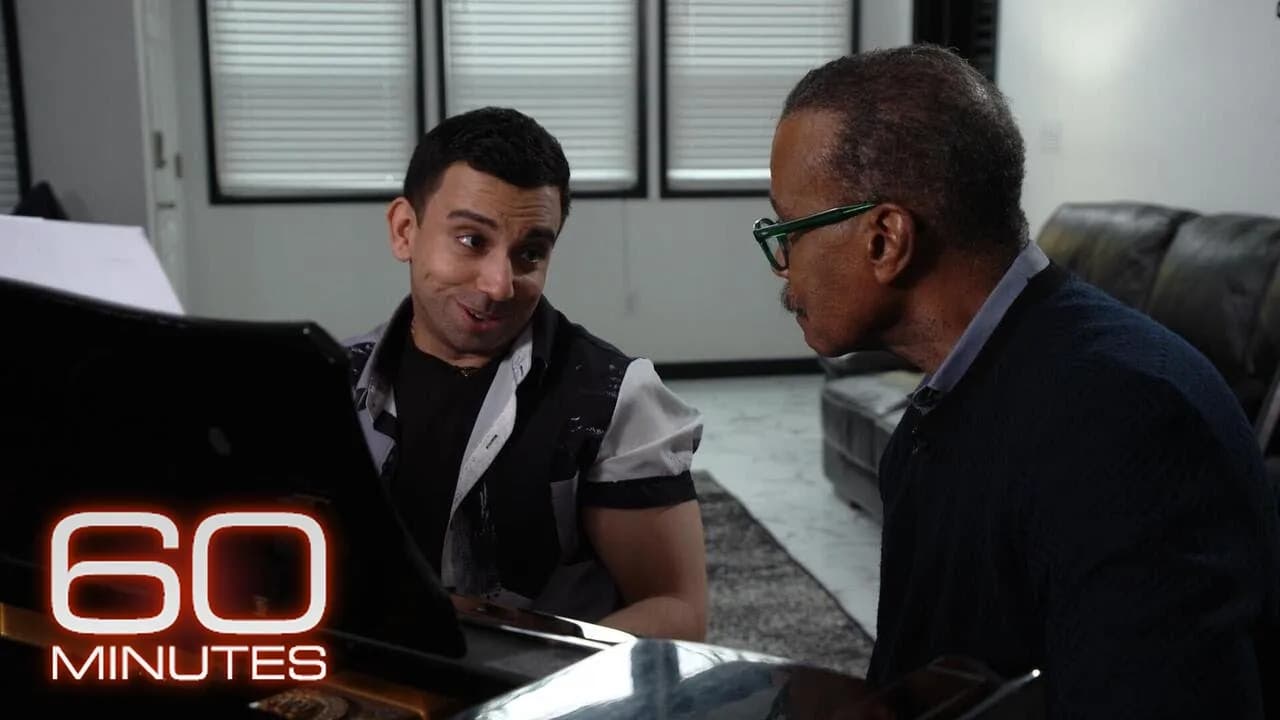
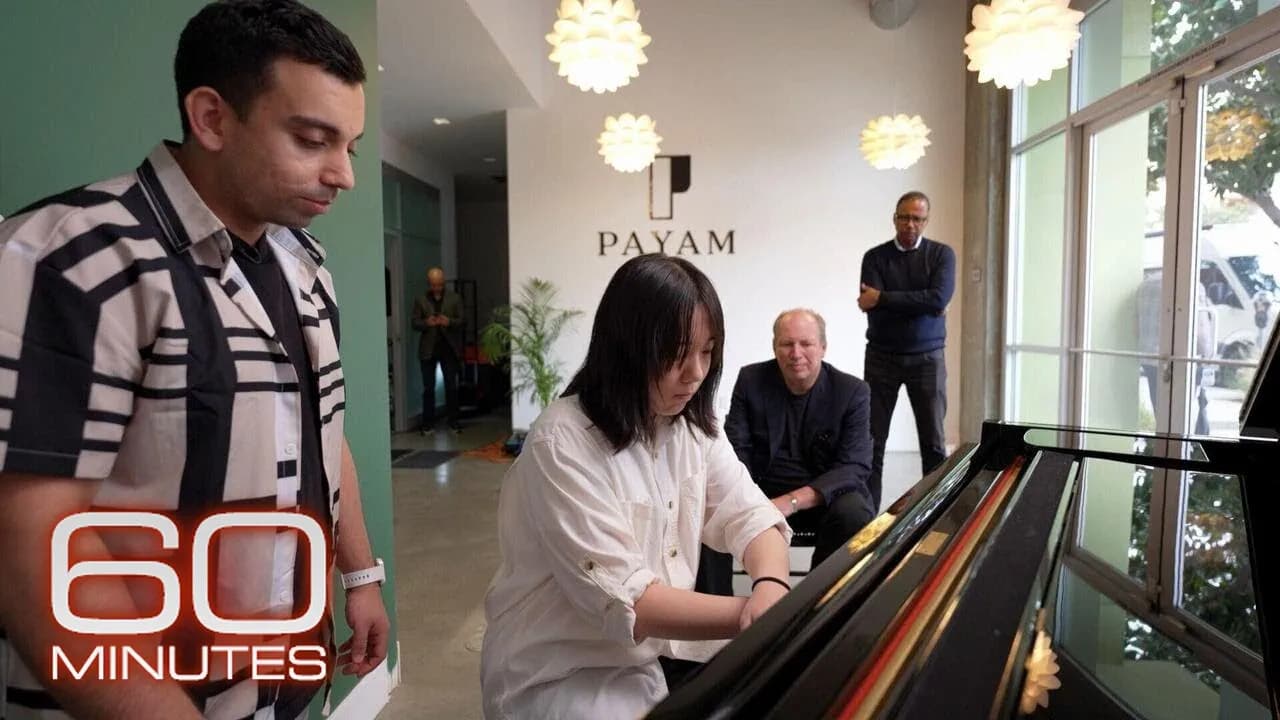
Piano is good for everyone and the Payam Method is a new approach to teaching the instrument developed by Payam Kaskodey. The method prioritizes keeping teaching fun while also teaching students to improvise, differing significantly from traditional rigid instruction.
Traditional piano teaching requires learning scales and early classical pieces like Beethoven from the start. Many students become lost by year two and never catch up. The Payam Method avoids following a specific book and instead personalizes instruction for each student.
Students at age four learn nursery rhyme songs. By ages six or seven, they progress to movie songs. By age ten, they play songs from video games they enjoy. The method adapts to any age and any music preference while still teaching required techniques.
"We're not forcing you to learn specific songs. We're forcing you to learn the techniques, but in songs you actually like, which makes it a lot more enjoyable."
The analogy compares this to an English teacher allowing students to read any book they choose for 30 minutes rather than mandating The Odyssey. Students maintain control over song selection while learning necessary techniques.
Classical theory tends to strip the joy from playing and forces everyone to play the same way. Payam Kaskodey wants students to play at the piano literally. Students learn required material but apply their own interpretation. Beethoven himself would play his symphonies differently across concerts, bringing his own take to the notes.
When playing original songs, each performance varies based on mood and feelings in that specific moment, even if the notes remain the same. Students avoid becoming robots who sound identical. They bring their own life into the music.
The same notes can express different emotions: happier playing, sadder mood, or more varied interpretation. The notes and actions remain the same, but mood creates the difference in delivery.
Theory instruction covers classical, jazz, waltzes, and songs from different countries worldwide to understand diverse musical traditions. This broad exposure helps students develop comprehensive musical understanding.
Ode to Joy is taught in its original happier major key. For composition practice, students transform it into Ode to Misery by changing to a minor key. The same melody creates an entirely different feeling through this key change.
Students can further adapt the piece to reflect anxious mood by playing it softer. Playing the different versions back to back demonstrates how the same song sounds different based on interpretive choices.
Anyone can learn to read music off paper, but developing special skills and techniques over time allows personal expression. The goal is for students to show why a piece is special to them through their individual playing style.
Keep 60 Minutes in your library
Save the videos and channels worth coming back to, and find them again in one place.