How to Overcome Addiction to Substances or Behaviors | Dr. Keith Humphreys
These notes were generated by AI and may contain inaccuracies.
A good clinician asks why someone wants to quit smoking: what motives, what do they want to get out of it, since it's work. Help them build motivation in their own mind, as it's about them, not the clinician.
Key recommendation: hang out with others making the same change. Examples: join a jogging group to start jogging; attend AA or other fellowships to stop drinking. Provides support and accountability (e.g., "Hey, you were going jogging Tuesday, you weren't there. What's up?")
Welcome to Huberman Lab podcast discussing science and science-based tools for everyday life. Host: Andrew Huberman, professor of neurobiology and ophthalmology at Stanford School of Medicine.
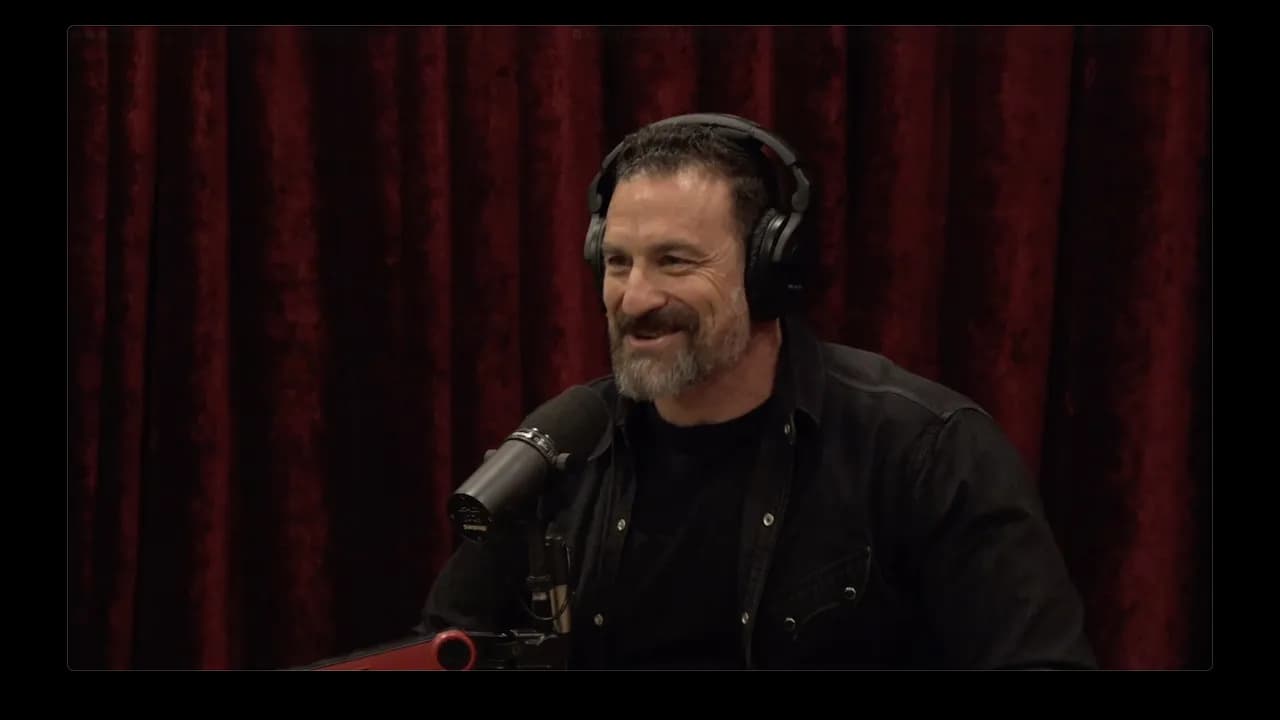
Guest: Dr. Keith Humphreys, professor of psychiatry and behavioral sciences at Stanford School of Medicine. World's foremost expert on addictive substances and behaviors, overcoming addictions, and how science, commercial marketing, lobbying, and legal system create addiction for-profit businesses (e.g., alcohol, food, opioid industries) shaping legal policy.
Covers major addictions with up-to-date info: alcohol, cannabis, opioids, gambling, and more.
Unbiased facts and logical ways to think about health risks:
- Alcohol: any heart benefits greatly offset by increased cancer and other risks.
- Cannabis: who may be okay to use, who should absolutely not.
Most effective ways to overcome addictions including alcohol, pornography, stimulants, and more.
Dr. Humphreys provides big picture on addiction amid addiction for-profit marketing and confusing health info. Teaches how to think about substances/behaviors to avoid and overcome any addiction.
Podcast separate from Huberman's Stanford teaching/research; brings zero-cost science info to public.
Episode includes sponsors.
Addiction is big topic, slotted into one small drawer unlike mental illnesses (depression, mania, bipolar, OCD). How to parse addiction for best treatment, especially at policy level.
Addiction like schizophrenia in common parlance: used loosely (e.g., "addicted to TV show/phone"). Not just doing something a lot.
Definition: persistence of doing something harmful to the point of destruction, when normally one would stop.
Classic animal study: James Olds' 1950s rat study—rats self-administer brain stimulation (enjoyable) even while starving next to food or dying of thirst next to water.
Huberman's definition: progressive narrowing of things that bring pleasure (not overnight; e.g., not one heroin dose stops everything else).
Agreed: other rewards, especially natural ones, fall away. Sacrifice relationships, work, housing for substance. Become physically/psychologically dependent as it's the only remaining reward ("only time I feel good").
Industries profiting from addiction: nicotine, alcohol, cannabis, social media.
Genetic bias: Not "born addicted" (e.g., fetus exposed to fentanyl can be physically dependent/withdrawal at birth, but no behavioral association, so not addicted).
Genetic risk from birth. Adoption studies: kids adopted from alcoholic families have much higher likelihood of alcohol problems even raised by teetotalers.
Heritability: varies by substance/studies, but large (~0.4-0.5 for most).
Some genes substance-specific (e.g., Han Chinese lacking enzyme to metabolize alcohol: less enjoyable, lower risk specific to alcohol).
Other genes general (impulsivity, sensation-seeking: try more drugs, higher exposure risk).
People clean/sober 20 years suddenly develop strong sexual compulsion or gain 30 pounds from compulsive eating. Underlying diathesis finds new phenotypic expression; original addiction behaviors resolved, but not root.
AUD broader spectrum: mild/moderate/severe. Mild end (occasional excess, life together) laughed at in AA.
Addiction at severe end.
AUD created to address like other health behaviors in primary care (e.g., intervene at 15 pounds overweight/moderate high BP to prevent worse). Advise cutting back early to avoid suffering.
AA: "I'm so-and-so and I'm an alcoholic" (part of identity in 12-step recovery).
~8-10% experience alcohol differently: more dopaminergic/energizing, build tolerance to sedative/depressive effects, feel spectacularly good, keep drinking without passing out/blacking out/crashing.
Higher risk as no punishing signals (e.g., dizziness, hangovers) to stop.
Mark Schuckit (psychiatrist, Southern California): studies on male children of alcoholic fathers.
- Less body sway (imperceptible) at given alcohol dose.
- Fewer hangovers.
Less punishing, more rewarding = problem (no "whoa, too much" or "never again" signals). Seen across drugs, largely genetic.
Personal anecdote (Dr. Humphreys): post-injury Vicodin unpleasant (bound up, miserable, groggy)—"pain better than this."
Others: first opioid fills "hole in chest" they've felt whole life.
Genetic wiring differs; not learning history. Varies by drug/person (e.g., hate opioids but love cannabis/alcohol), changes risk.
Some drink 5-6 drinks, fine next day at work, liver markers ok initially—makes moderation debates hard.
Greatest risks: first drink before age 14.
Anna Lembke: can't get addicted to something you've never done/taken—most helpful advice.
Can't predict Russian roulette surely. Only way no damage: never use.
Genotyping not as good as: parents alcoholic? Problem drinking in family? (Better than SNPs).
Cross-sex: risk yes, but father-son link strongest. Men drink more/excessively, so risk more realized.
If genetic loading for cocaine in 1800 or alcohol but never drink: irrelevant.
Women drinking more since late 90s/early 2000s: alcohol industry targeted women (more money, drank less than men).
- Campaigns: "mommy wine" culture, "wine juice," online chats (some engineered).
Worked: women's drinking up. Damage per drink higher (body size, hormones)—exploitation.
Encouraging: young women (e.g., undergraduates) re-evaluating via moms' experiences.
Industry goal: profit via addiction (10% of US drinks ~half the alcohol). Profits from daily heavy drinkers (multiple bottles wine equivalent), not occasional half-bottle.
US drinking at all-time low.
Youth (last 10 years): less risk behavior (less cutting class, dropping out, unwanted pregnancies)—drier generation.
Cannabis: legalization increased use/stronger products,
Sponsor: David Protein Bars
David bars: 28g protein, 150 calories, 0g sugar (75% calories from protein, 50% higher than next). Flavors: cinnamon roll, chocolate chip cookie dough, salted peanut butter. Back in stock.
Huberman: meets 1g protein/lb body weight goal conveniently.
Sponsor: BetterHelp
Online therapy with licensed therapists. Huberman: like workouts—valuable insights on work/relationships/self (4.9/5 rating, 1.7M reviews). Time-efficient, 30K+ therapists, 5M+ served. 10% off first month: betterhelp.com/huberman.
Youth cannabis use has changed only slightly; growth primarily among adults, including those who stopped and resumed later in life.
Zero alcohol is better than any amount. Two drinks per week (12 oz beer, 1 oz shot, 4 oz glass of wine) is upper limit for non-alcoholic adults to avoid additional health risks: cancer, sleep disruption, inflammation.
Media flip-flops on benefits of low alcohol intake (e.g., two drinks/week), often influenced by alcohol industry advertising.
Red wine myth originated from 60 Minutes story in 1990s on French paradox/Mediterranean diet; resveratrol in trace amounts (grape skins) promoted sales but lacks evidence of unique benefits over other alcohols.
J-shaped curve in studies: non-drinkers had higher mortality than light drinkers, but non-drinkers include ex-alcoholics with prior damage; resuming drinking would worsen health.
Possible small cardiac benefit outweighed by cancer risk; no net mortality gain from alcohol. Industry messaging that alcohol extends life/health overturned by science.
Women's Specific Risks and Behavioral Changes
Women face heightened breast cancer, ovarian cancer, and other risks from alcohol, prompting many (including family members) to quit post-work drinks upon learning this.
Alcohol disrupts sleep, contributes to downstream effects.
Balancing Risks vs. Social Benefits
Alcohol aids relaxation, socializing, stress reduction, but frame against health risks.
Personal choice: accept small risks for pleasures (e.g., wine with friends/good food) akin to hiking despite age-related injury risk.
Social pressure: rarely questioned "Why are you drinking?" but often "Why aren't you drinking?" requiring excuses (e.g., exam, cold).
Health data provides socially accepted reason to quit (e.g., ovarian cancer stats), overriding marketing.
Similar to Surgeon General's smoking report: provided excuse for quitting amid peer pressure.
Social Anxiety and Vulnerability Around Non-Drinkers
Non-drinkers make drinkers uncomfortable: fear of sober judgment/exploitation.
Japan salaryman culture: post-work drunken vulnerability/trust; sober person seen as threat (e.g., remembering confessions).
Date scenario: man not drinking while encouraging woman raises "trying to get her drunk" fears.
Huberman anecdote: sober at doctor/scientist meetings allowed sharper performance; others appeared aged/hungover; alcohol-fueled incidents cost jobs.
Male-female dynamics: her drinking = vulnerability; his = impulsivity/stupidity; either way reduces safety (e.g., can't drive home).
Women entering professions shift norms (prefer lunch over drinks to avoid drunk boss).
Alcohol's anxolytic effects reduce date anxiety; some become more engaging when relaxed.
Informed decisions: genetic predisposition, zero best, weigh cardiac vs. cancer, consider personal/group vulnerabilities.
"Do as you wish but know what you're doing."
Formerly illegal (jail risk), still used despite lower potency.
Now industry-driven, especially edibles (bypass smell/smoke).
Distinction: old cannabis (1980s-90s, illegal): 3-5% THC average; new (legal): 20% THC average.
42% of users now daily/near-daily (vs. modal 1-2x/week formerly).
65x higher brain exposure now (daily 20% vs. weekend 5%).
Equivalent to coca leaf vs. cocaine potency jump; "dose makes the poison."
Analogy for parents: low-alcohol beer vs. teen guzzling vodka.
More addictive, dangerous than past.
Medical applications: cannabinoid receptors (oldest evolutionarily, brain/body); pain relief (some possibly withdrawal-related); CBD for pediatric seizure disorders; easier research post-2020 Congress changes.
THC Potency, Smoking vs. Edibles, Psychosis Risk
Huberman's cannabis researcher guest: high-THC smokers self-titrate to avoid paranoia/psychosis; edibles risk overshoot due to dosing difficulty.
Humphreys: no evidence for self-titration (even experienced smokers poor at judging strength in labs).
Edibles issues: delayed gut onset (eat more thinking no effect); uneven dosing (e.g., all THC in one part of cookie/gummy vs. uniform chocolate chips).
Psychosis risk: once skeptical; now stronger evidence with potent/daily use.
Swedish military registry studies: teen cannabis users higher adult psychotic disorders (national data).
Plausible with intensified use; rare outcome hard to test.
Avoid if first-degree relatives with schizophrenia, schizoid personality, bipolar.
Cardiac risk: unsure for non-smoked; hasn't reviewed literature.
Youth brain plasticity: worst effects start in teens (addictions originate then); first psychotic breaks ~18-21.
Less worry for initiating at 50.
Initiating a substance at age 50 is far less likely to lead to addiction or other severe issues compared to starting young.
High-achieving individuals with healthy families, jobs, and high energy who use cannabis are rare exceptions. Many cannabis users fail to progress developmentally: finding sustainable jobs, organizing professional and relationship life.
Data on High THC/Frequency Use and Failure to Launch
Failure to launch (typically young men): not necessarily college or athletics, but moving out, getting/keeping a regular job, healthy relationships, self-sustainability.
Example: Ezra Klein uses cannabis edibles occasionally.
Despite successful users, cannabis is generally a performance degrading drug (phrase from Caulkins). Not lethal like fentanyl, but regular use impairs short-term memory, concentration, detail-tracking, motivation (couch lock).
Anecdote: Palo Alto Straight-A Student
High-achieving son (straight A's, sports star) started daily cannabis, lost interest in team and math within 6 months.
In modern society (vs. agrarian), success requires focus, memory, time management. Global competition (e.g., coding jobs vs. kids in Mumbai/Tokyo) disadvantages impaired users, leading to mom's basement stereotype for heavy users.
High-achieving cannabis users set misleading examples.
Anecdote: Friend aspired to pro golf, cited pro golfers who were heavy drinkers; became good at drinking, not golf (later turned life around).
Such openness harms messaging. Policy risk: Accomplished users assume safety for all, ignoring varying risk levels, social capital, incentives. Cannot overgeneralize from "lucky" lives.
AG1 (Athletic Greens): highest quality comprehensive nutritional supplement (vitamins, minerals, probiotics, prebiotics, adaptogens). Supports gut microbiome (impacts immunity, metabolism, hormones). Improves digestion, immunity, mood, focus. New flavors: berry, citrus, tropical (speaker prefers berry). Special offer at drinkag1.com/huberman: 6 free AGZ sleep formula samples (speaker's only sleep supplement), 3 AG1 travel packs, vitamin D3 K2 bottle with first subscription.
Conversation with member of Kennedy family (not Robert F. Kennedy Jr./Patrick Kennedy) on recovery; link to be provided.
Many industries are industries of addiction: alcohol, cannabis, gambling. App developers openly ask, "How do we make this more addictive?" Addicted customers are ideal.
Double-Edged Sword of Addictive Tech
"Healthy addictions" (e.g., learning apps) can aid school/social media (e.g., YouTube learning, Huberman-Kennedy video). But alcohol/cannabis marketing diabolical: targeting women to drink as empowerment; cannabis as creativity booster, "not as bad as alcohol."
Flawed comparison: "Shooting yourself in the head is worse than stabbing; alcohol kills ~150,000 Americans/year—so legalize hand grenades (kill fewer)? Drunk driving kills 10,000—legalize it?"
Capitalist but regulate addictive/temptation goods tightly (unlike lettuce). Tools: advertising restrictions, taxes (even heavy users price-sensitive). Cannabis promotion naked, kid-exposed. Parallels tobacco industry: increased addictiveness, fought regulations, marketed to kids.
Pete Rose banned from Hall of Fame for betting on his team. Now gambling ads dominate sports events—terrible for quitters, ruins young men financially.
Gambling Addiction Insights
Guest: self-admitted gambling addict. Therapist: worst addiction; live with "next time could change everything." Eventually addicted to shame of losing (winning distant past).
Gambling addicts: "Every addiction is gambling."
Book: Addiction by Design by Natasha Dow Schüll. Video poker players (even casino workers) lose paychecks; some use bent toothpick to auto-bet in dissociative "zombification."
Casinos phase out dealers (imperfect reinforcement) for machines (perfect timing, infinite play). Speaker visits Vegas for pageantry/food.
Michael Easter Anecdote
Michael Easter (The Comfort Crisis: outdoors, backpack weight-walking therapy). Accessed research casino: slots now 80%+ casino income (was small fraction).
Insight: Casino exec watched kids play video games—not for winning, but novelty of next screen. Slots now offer infinite novel combinations; players accept 50¢ on dollar losses for novelty (not money). Ching ching sounds reinforce.
LDWS (Losses Disguised as Wins): $1 in → 100 credits → small wins (10, 20, 40) with excitement, but net loss (e.g., 30%). Feels like winning while losing.
Sports betting exploits novelty/excitement.
Casinos: indoor smoking, free drinks—dense addiction pack. Problem gamblers often problem drinkers/smokers.
Schüll story: Heart attack at slot machine; players ignore dying person, keep playing. Metaphor for society.
States collect taxes (varies). Decriminalization: no user punishment; popular, minimal use increase.
Legalization: corporate production/processing/marketing/sales—smart sellers boost consumption.
Most US population has recreational access; nearly all states have medical or hemp loopholes (delta-8/9 from hemp, strong beverages even in prohibited states).
All drugs are gateways. Myth: cannabis uniquely leads to heroin. Truth: Any teen substance (smoking, drinking, cannabis, stolen opioids) increases progression via:
- Liking it → try others.
- Social networks shift to other users.
- Brain sensitization (twin studies suggest early exposure unfolds rewarding processes).
Alcohol hypocrisy: Demonize drugs at conferences, then drink. Alcohol biggest kid threat.
Distinguish: Psilocybin, LSD (psychedelics). MDMA (ecstasy, modified methamphetamine—empathogen, not psychedelic). Ketamine (dissociative anesthetic).
People benefit from clinical high-dose psilocybin (2-5g, 2-3 sessions total) for depression, alcohol issues (not microdosing).
Addicts use/consider psilocybin/LSD for recovery.
Potential and Hype
Exciting: Little pharmacotherapy progress in 20 years for depression/addiction (except GLP-1 agonists—speaker's top bet; psychedelics second).
Hype (industry profits) but real promise. Pilot/small trials encouraging; easier to study now.
Recent visit: Friend Dr. Todd Coris (Stanford, from Oregon).
No major advances in 20 years for many conditions.
Oregon is doing these things with a similar experience: preparation with a trained person, get the medication, then integration session afterwards. Some find it transformative, others have very bad experiences including during the psychedelic experience and afterwards like flashbacks while driving, which can be upsetting or risky.
We don't know exactly how serotonergic drugs work. Importantly for addiction, no evidence of addiction to psilocybin or LSD; abuse potential is extremely slight, far less worrying than stimulants, alcohol.
No evidence that microdosing psilocybin has benefit; that's silly.
Solid evidence in clinical settings: at least 2-3 talk sessions without psilocybin, then psilocybin journey (typically 2 guides for safety, to avoid exploitation as in some MDMA trials), high dosages, follow-up. 60-70% of people with major depression unresolved by other approaches get significant relief or full remission after two full versions.
Negative impacts: bad trips; post-MDMA for trauma or psilocybin for depression/addiction, initial feeling of significant change, then sudden mood drop (trough) weeks/months later, separate from the 2-day post-MDMA trough similar to stimulants.
Divided on psilocybin for addiction due to lack of standardization outside clinical trials. No Yelp reviews for shamans/guides since illegal; no oversight board. But in Oregon, licensed by the state (legal, not just decriminalized; contrast Oakland/California decriminalized).
Need good studies; NIDA funding several, likely NIAAA too. Many riskier medical treatments used (ECT, OxyContin). Key: researchers at equipoise, not overclaiming from enthusiasm; good science lets data decide, no spin.
Few LSD studies because trips last up to 13 hours; Swiss researchers work long hours, harder in US for 4-8 hour psilocybin sessions (staff 2 hours before/after). Practical issues drive science and scalability in healthcare.
Efforts to develop non-hallucinogenic compounds from psychedelics; psychedelic experience may not be critical for antidepressant effect.
Ketamine: great question if blocking visions/dissociation (e.g., with naltrexone-like) retains effect. Some like that part, others find upsetting; non-dissociative version would be good medicine.
Helix Sleep customizes mattresses/pillows to sleep needs via 2-minute quiz (sleep position, hot/cold). Huberman uses Dusk mattress >4 years. helixsleep.com/huberman for up to 27% off, HSA/FSA via TrueMed.
SSRIs, talk therapy, prescription antidepressants, psilocybin/psychedelics, all funnel into brain plasticity for rewiring circuits (TMS too). Not just opening plasticity (Hubel & Wiesel would disagree); needs directed plasticity. Talk therapy/TMS slower but directed.
Plasticity double-edged: easier learning new languages/habits young, but also addictions start young (e.g., cigarettes at 13 vs adult). Addictions as maladaptive learning. Advertisers target youth for lifetime habits (e.g., Dr. Quinn Medicine Woman for old viewers).
TikTok aversive to older adults; if started at 13, more engaging.
Ketamine: proven for depression (transient), FDA-approved for treatment-resistant, but high abuse potential, deaths (famous in LA, more non-famous), bladder damage (young people with 60-year-old bladders). Negative trials; not knockout. Prefer Nolan Williams' rTMS SAINT protocol (clear effects, no downsides).
TMS: non-invasive brain stimulation activates/decreases specific areas. rTMS approved for depression, available at clinics (expensive machines). Medicare covers; Nolan's protocol: 5 days, 10 min on/50 min off theta-burst all day. Lives changed; good blinded trials (sham feels real).
SAINT protocol by Nolan Williams.
SSRIs very helpful for true OCD (debilitating obsessions/compulsions).
No, SSRIs don't cause mass shootings: rare outside US despite SSRIs elsewhere (Australia first in 30 years, Europe low). Explanatory: easy high-powered guns in US. US consumes 70+% depression prescriptions, higher per capita, but disparity too huge.
Suicide: worry for adolescents on SSRIs (debated; depression raises risk baseline). Nonzero risk for teens, but many benefit. Upcoming episode on long-term SSRI effects.
Cohort reports post-SSRI syndrome: sexual/mood side effects persisting after stopping (teens/20s). Similar to finasteride (Mike Eisenberg notes anecdotal debilitating sexual effects post-use). Medical field slow to catch rare/complex issues; short-term trials for approval, post-marketing challenges.
Nolan Williams (huge loss, great psychiatrist/scientist; office neighbors): TMS SAINT, IEN (unusual psychedelic). Ibogaine trials on veterans out-of-country (illegal US): 22-hour experience, heart-monitored, no recreation. Sometimes +DMT. Encouraging: total remission PTSD/addiction after one session; back to life. Potential first FDA-approved psychedelic (intense, supervised).
Dr. Humphreys misses Nolan Williams daily, walking by his office. Williams conducted groundbreaking neuroimaging of people before and after ibogaine treatment, documenting brain changes. This matters because some experiences claimed to be transformative aren't, but he showed real differences. It was an open-label trial with no control group. A proper trial is needed to distinguish chemical effects from ceremony, camaraderie, and other factors packed around the Mexico trips (described as the "final mission for soldiers"). Worth studying; newer researchers must continue it.
Yeah, I'm very curious as to where that work is going to go now that Nolan was spearheading it, but there are people working hard to keep it going forward.
Stimulants and Caffeine
Huberman: Heavy caffeine user, 800mg/day (child's play), nearing 1g/day limit; started yerba mate at age 3-4 from Argentine father. Stops at 2pm for sleep. 90% of adult world uses caffeine. Asks if caffeine is addictive or dangerously so; loves productivity boost.
Humphreys loves coffee: "If I had to choose between coffee and my children, I can make that decision. But I would really miss them." [laughter]
Caffeine is a rewarding stimulant, potentially addictive. Signs of addiction: heavy use causing retching, stomach pains, insomnia, inability to stop. Rarely sees true coffee addicts; not intense stimulant. Main issues: GI symptoms, jitteriness, sleeplessness—most quit.
Biggest career disappointment: Little progress in 40 years since late 1980s treating crack cocaine addicts in rough Lower East Side of Detroit. Treatments similar today: no effective pharmacotherapy, psychotherapies with modest effects, therapy groups.
Many medications tried, failed. Only effective: contingency management (Steve Higgins pioneered): Rewards for clean urine tests (e.g., $2 first day, doubling daily). Proves impaired control, not no control. Works for stimulants, job applications, etc. Now insurance-covered, expanded.
Disappointing: If 2025 Keith went back to 1980s clients, little new to offer.
Lucky they didn't exist in Huberman's youth (liked caffeine too much). Back then: Ritalin and ephedrine OTC pills (too stimulatory). Now, many friends' male children on amphetamines for ADHD from young age. Parents worry: growth stunting, sleep/eating issues, classic stimulant problems.
Tough parental calls. Transformative for some hyperactive kids unable to sit/focus. But overprescribed; less tolerance for brain variations, medicalizing normal activity/shyness (e.g., must be on spectrum). Sympathizes with parents; some kids truly transformed.
Huberman cites ADHD expert: Untreated ADHD poses greater addiction risk than treating it (lowers impulsivity). High ADHD rate in adult alcoholics—not coincidence.
Nicotine comeback. Both stimulant and relaxant. Huberman sensitive: 2mg gum caused throat spasms (muscarinic acetylcholine), oral fixation; bad for gums, accelerates skin aging via vasoconstriction (looks older).
Richard Axel (Nobel Prize, Columbia) chews tons of Nicorette: Protective against Parkinson's/Alzheimer's.
Humphreys: Poison (carton of cigarettes' nicotine lethal). Popular despite that. Sharpens and relaxes—often withdrawal relief mistaken for benefit (e.g., morning cigarette fixes overnight drop). Same for cannabis (sleeplessness), opioids (pain return). Advice: Persist through withdrawal (cognitive sludge, keyed up); be free. Treatments ease withdrawal. Run the experiment.
Field parsing early/middle/late-stage addiction? People suspect addiction to social media, phone, food, etc.—success of advocates like Anna Lembke.
Approach to "I think I might have a problem with X": Glad you told me—tens of millions experience, common, not shameful. Convey optimism: 24 million Americans in recovery (look normal, unnoticed). Easier early: Haven't burned life down, retain family/support, home, job, accountability.
Clinical Strategies for Change (Any Behavior)
- Motivation: Ask "Why quit?" Elaborate personal benefits (e.g., clothes don't stink, save $2000/year for Cancun trip). Builds internal resolve for withdrawal days.
- Behavioral analysis: Usage patterns, cues, non-use places/times (e.g., mom's house, holy days—replicate techniques). Remove temptations (e.g., give away home alcohol).
- Practical skills: Manage social interactions without substance, explain to friends, fun alternatives.
- Social support/accountability: Join groups (AA, LifeRing Recovery, SMART Recovery, jogging/weight loss groups). Provides support + accountability (e.g., "Where were you Tuesday?");
Just quit cold turkey won't work; addiction is chemical/brain circuit/hormonal/full-body/brain issue.
Addiction once seen as character defect (susceptibility varies; easy quitters judge others). Addicts hurt others (lose money, harm psych/physically—even kid overdosing). But sobriety reveals real person.
Everybody has character defects.
Addiction masks something about who they truly are, not the other way around. Many explanations for addiction come from people who are hurt and angry, such as those with an addicted parent or a disintegrating marriage. In addiction, people do things they would not otherwise do, like lying about showing up to a child's baseball game or spending money on drugs instead of fixing plumbing. This hurts people, and it is important to acknowledge that pain.
The disease model of addiction can sound scolding to those harmed, implying no sympathy for victims but pity for the addicted person. Even if someone with dementia rants nasty things, it still hurts and is scary—the disease does not change the experience. Public messaging must acknowledge the enormous pain of living with an addicted person; it is tough psychologically and a complicated public health problem.
Recent Tragic Case: Robert Reiner Family
In the wake of Robert Reiner and his wife being killed by stabbing by their son, who was an addict supported by his parents for a long time—they even made a movie together, which felt like a desperate attempt to rescue him through his profession. This ended tragically. Photos of the son make him look angry and deranged; it will shape views of addicts. Also, the homeless problem is partly an addiction issue.
Impact on Children of Addicted Parents
Growing up with an addicted parent, a child just knows they are not getting love and attention, generating lifelong negative feelings. Even understanding it as a disease later brings grief and sadness for what was missed.
Asking why someone would want to quit is interesting. Sticks (negatives avoided) are obvious: no cigarette costs, no bad smell, less coughing. Carrots (positives gained) are cryptic and hard to imagine deep in addiction.
Example: Country singer Jelly Roll (formerly over 400 lb) lost over 300 lb, now runs 5Ks and half marathons—a transformed person. But those stuck cannot imagine it.
Discounting Future Rewards and Immediate Incentives
People discount future rewards (e.g., $5 latte vs. retirement savings). Addicts do it more: prefer $5 today over $20 tomorrow, as if tomorrow does not exist. Long-term goals like marriage or school feel like fantasy. Focus on immediate rewards:
- More money every day.
- Risk of arrest drops to zero immediately for illegal drugs.
- Feel physically better very quickly.
- Social reinforcement matters.
12-step fellowships genius: literal status from days/years sober, earning respect—central to species survival. One day at a time concept clever: cannot quit forever (inconceivable), but can do today, go to meeting, get reward. Accumulates to 30 years.
People with high self-control and future-thinking less prone to addiction.
Functional Benefits of Addictions
Some addictions help function: less social anxiety with 2-3 drinks; prescription stimulants (or Adderall, Vyvanse) for work—raises alertness prerequisite for focus. Even caffeine. Stanford students misuse unprescribed stimulants in competitive environment.
Motivation approach: Do not say drugs are bad (implies they are idiot). Get them to articulate benefits (e.g., fun drunk hunting trips with friends). List costs and benefits—their life. Acknowledge grief of losses (e.g., skipping college buddies trip to avoid relapse).
Post-sobriety changes strain relationships: sober person changes; partner may leave (e.g., lost control over checkbook, dislikes sober conversations). Drugs work crudely for some function that must be addressed.
Codependency Often Reactive
Codependents team with addicts (Codependents Anonymous). Study by Ruth Kronhite (colleague): Women married to alcoholic men fit codependent traits (hyper-responsible, placating), but post-sobriety resembled women of non-alcoholic men. Traits reactive to addiction (e.g., mortgage unpaid, volatile partner), not pre-existent.
Attachment Styles and Changes in Addiction
Avoidant vs. anxious attachment pairing overstated; people plastic, behave differently by context. In addiction, people change (e.g., social/competent to dishonest after 10 years heroin), so no longer match original partner.
Brain Changes in Later-Stage Addiction
Different stages require different approaches. Long-term use of certain substances (e.g., heroin, methamphetamines) changes brain significantly: kills neurons, rewires reward circuitry—person different even sober.
Harder to use loss/gain thinking. Fundamental: deeply maladaptive learning (like rat fixated on powder, ignoring evolved priorities). Observable brain changes.
Methamphetamine Cue Study
Study (Keith Humphreys, Claudia Padula, Brian Knutson, Kelly McNamara) at VA Menlo Park: Meth addicts in residential program (off meth), imaged with meth cues (pipe, powder). Nucleus accumbens activation predicted relapse better than self-report of craving/liking—independent of what they knew.
Explains why addicts relapse despite wanting to quit: lack insight into brain changes. Cues everywhere (ads for beer/pharma, tobacco/cannabis smells). Cue-elicited craving drives relapse, learned via repeated drug exposure.
12-step: "Addict brain" (dopamine reward circuitry activation).
Behavioral Addictions and Brain Stimulation Ideas
Social media scrolling/video games despite priorities: contradiction between idealized self and behavior common, but damaging when harms goals (e.g., flunk exam for TikTok).
Idea: Brain stimulation (like Nolan Williams for depression) targeting reward circuitry: tamp down for addiction cues (meth, alcohol, behavioral); ramp up for positive cues. Avoid pivots to unhealthy substitutes (e.g., ultrarunning addicts, tattoos, smoking at 12-step). Need healthy: school, family, community, service.
Addiction hijacks learning/skills system essential for life—not eliminable.
Emerging Treatments: rTMS and Implants
Neurosurgery patient at West Virginia University with implant for uncontrollable addiction (details unclear; still needs meds, 12-step). rTMS (repetitive Transcranial Magnetic Stimulation) less invasive: multi-site study led by Greg Siegle on dorsal lateral prefrontal cortex for cannabis use disorder. Protocols for alcohol, cocaine. Direct brain intervention vs. talk therapy.
GLP-1 agonists could change desires lasting.
Discussion on the homeless problem in California, estimated at least 50% addiction problem, either primary or compounded by economic factors. Many homeless individuals have altered brain circuitry from substance use, serious substance abuse or mental health issues. High rates of substance use and mental illness among homeless, elevated now due to low unemployment—historically low at near full employment, leaving those with mental illness and addiction unable to secure shelter.
Evidence-Based Solutions for Homeless Addicts
- Combine nice housing with recovery culture.
- Oxford House model: Resident-run, all contribute to rent; rules—no fighting, violence, or substances. 10,000 such houses with strong evidence of benefit; residents trade streets for clean place with supportive community.
- Court-mandated treatment:
- Civil commitment: For those imminently gravely disabled or threat to self/others.
- Drug courts for crimes (e.g., assault, theft like grabbing iPhone): Offer treatment compliance instead of jail, with record expunged upon success.
Analogy: Like retrieving Alzheimer's patients wandering from nursing homes despite protests, as disease impairs judgment—addiction dramatically impairs judgment.
Study by Doug Polson and colleagues on alcohol treatment seekers (alcohol legal, not coerced by prohibition): 91% had external pressure in past year (e.g., spouse leaving, boss firing threat, lawyer/judge on DUI).
Pressure necessary due to ambivalence; unlike chronic pain where people eagerly seek relief, substances are rewarding.
Best policies since 2008 due to parity legislation: Insurers like Blue Cross, Aetna must cover mental health and addiction at comparable levels to physical health. Expanded to more private plans; Medicaid expansion backbone of public treatment system (e.g., West Virginia biggest spender).
Improves quality, access, integration into healthcare.
Practically: For opioid/alcohol issues with insurance, treatment centers mostly/completely covered (varies by plan). Pre-parity, legal to limit mental health/substance benefits (e.g., higher copays, shorter hospitalizations)—now illegal in most plans.
Challenges: Recent budget bill cuts ~1 trillion from Medicaid, risking care for low-income addicts.
12-step programs (e.g., AA): Free/ donation-based, daily/night/online/in-person globally, anonymous, no commitment—try different meetings.
Keith Humphreys started career dismissive of AA (mentors called it folk medicine sans doctors/meds), but impressed by authenticity after attending open meetings; led to research.
Cochrane Collaboration review by Keith Humphreys, John Kelly, Mara Ferri: Rigorous analysis of AA/12-step facilitation vs. therapies like cognitive behavioral therapy, motivational enhancement therapy.
- AA superior on abstinence outcomes (~50% higher rates).
- Equivalent or better on reduction, dependence, family functioning.
- Tons of evidence: Randomized trials, quasi-experimental, healthcare utilization studies.
Recommendation: Try AA—no harm (like bad movie), immediate access matches ambivalence/impulsivity (vs. clinic waitlists).
Palo Alto example: Hungover engineer—psychiatry closed weekends/waitlists vs. 15+ AA meetings that day (women's, men's, spiritual, LGBT).
Immediate social reward, no insurance/paperwork.
Alternatives
- Smart Recovery, Women for Sobriety (more in areas like Bay Area).
- Key: Mutual support, shared journey inspires hope, provides info.
- Thrives in 195 countries, self-organized, no taxes/Gofundme/politics.
Open meetings: Anyone attends (even non-alcoholics/curious); more established than NA/GA/others.
Limited data on gambling/sexual addiction. For NA, CA, Cocaine Anonymous:
- Harder uptake even with 12-step facilitation counseling (doubling/tripling for alcohol, smaller for illicit drugs).
- Consistent correlations: Attendance linked to better outcomes.
- Evidence positive/encouraging but less rigorous (fewer randomized trials) vs. strong causal for alcohol.
Recommendation: Try for drugs—not harmful.
Not a cult:
- Doesn't take money (rejects large donations, perpetually broke by design, passes hat optionally).
- Allows leaving anytime (even announce intent to relapse).
- Relapse normal; quiet intoxicated attendees often tolerated.
Higher power: Spiritual, not religious—flexible (God, Jesus, nature, universe, collective, group, doorknob—anything but self to break narcissism/ego/hubris of control).
12 steps are "but suggestions"; everything negotiable except admitting loss of control.
Bill and Bob (founders): Understood addiction psychology (narcissism + shame); changed the country.
Open meetings etiquette: Say name + "alcoholic/addict," pass, or "I'm just here to learn."
Family members of addicts or friends wanting someone to attend 12-step meetings can use a strategy: attend themselves first. Saying "I went" and "I'll go with you" makes it easier. Despite seeming hokey, 12-step programs achieve incredible results. They are free, accessible all the time—a wild invention.
It's the closest thing we have to a free lunch in public health. (John Kelly review)
GLP-1 Agonists for Weight Loss and Potential Addiction Benefits
GLP-1 agonists (e.g., semaglutide in Wegovy and Ozempic) enable significant weight loss for those who previously couldn't. They confirm obesity results from overconsumption of calories relative to expenditure—laws of thermodynamics apply. No blame, but hard due to evolutionary hardwiring for overconsumption.
Costs decreasing via compounding pharmacies; people take half doses, share (illegal, not recommended), extend dosages. Low doses effective; pharmaceutical companies dislike this.
Some lose muscle (offset by resistance training). Speaker not on them but would if needed. Potential other benefits, including on substance use.
Addiction psychiatrist friend: patients want "not to want" (not conquer desire).
Anecdote: Friend lost weight on Ozempic; previously effortful all-day battle not to eat, now doesn't think about it—voice gone.
Potential for cocaine or alcohol (same family of behaviors). Mixed studies (some negative), but pattern in:
- Animal studies
- Small trials
- Opportunistic epidemiological studies (e.g., Ozempic/Wegovy users with cocaine use disorder had fewer ER visits)
Particularly semaglutide reduces alcohol use.
Speaker working with VA, Novo, philanthropist on this. Alcohol most like eating (satiety/fullness sense more likely affects swallowing drink vs. injecting/snorting). If works: dual benefit (lose 30 pounds, stop drinking problem); overweight drinkers 70% more likely overweight.
Anna Lembke: Patients take Ozempic for weight loss (lifelong overweight), get drinking reduction bonus even if unmotivated for addiction.
GLP-1s old (20 years), millions used—low risk of unknown long-term side effects. Exciting science ahead.
Alcohol craving and sugar craving: Not much overlap. Maybe some (HALT: hungry, angry, lonely, tired; some crave beer when low on carbs), but fundamentally subjective effects of consuming.
Pharmaceutical Advertising on Television
Movement to ban pharma ads on TV (fewer watch TV now). Only US and New Zealand allow constant TV ads. Jolt for visitors: constant "ask your doctor."
Stanford-Lancet Commission (speaker led): Creates sense everything perfectible by bullying doctor—not true.
For addictive potential: No direct OxyContin ads, but indirect (e.g., Super Bowl ad for opioid-induced constipation promotes opioids). Opioids valuable (speaker: 10 years hospice), but overpromotion (TV, gifts, school gifts) triggered opioid crisis.
Social Media, Gaming, and Behavioral Addictions
Social media here to stay. Interventions for true addicts (social media, video games, YouTube)? Can't ban entirely like substances (must eat; unreasonable to say no social media like no talking to friends unless in person).
Stanford freshman: "I hate social media. I think it's bad for my mental health, but I have to be on it because everybody else is."
Study: People demand payment to quit social media; same would pay to quit if everyone else did.
Australian social media ban for teens interesting: shifts life in-person, makes real life appealing.
Rising cases: can't stop phone-looking, games, pornography, gambling apps—consuming lives.
Natural course unknown (new): 5-year course? Maturing out (e.g., college heavy drinkers normalize post-graduation)?
Speaker reduced X (Twitter) easily (40 years brain not exposed). Harder if started age 8-12 (neuroplasticity)—will they ignore kids or avoid relationships?
Huberman observes many adult social media addicts. Uses old phone with X/Instagram in Supermax prison lock box (30 bucks, locks 19+ hours, can't code out)—blocks impulse, boosts work/recreation/relationships.
Other strategies: Dumb phones, software suppressing notifications unless coded.
Need social norms (like no drinking before noon, no drink/drive):
- No social media at dinner table
- No in restaurants
Can't solve via individual clinical medicine alone.
Success Stories of Young Men Escaping Digital Addictions
Three young men (parents known to Huberman): Failure-to-launch post-high school (no college motivation, job loss). Heavy YouTube/video games, convinced ADHD (medicated).
Success via: Reward circuitry explanation, Anna Lembke's Dopamine Nation, hard work, quit games/YouTube extended period—recaptured attention, agency. Now in great universities, off meds, healthy relationships, working out, happy.
One quit cannabis, another doesn't drink, third drinks fine. Multifactorial (not just meds/games/ADHD); porn likely backdrop. Parents high-achieving, no addiction history.
Unshackled from multiple impairments vs. past generations.
Multiple Pathways to Recovery
Many pathways:
- Friend quit smoking seeing newborn baby.
- Friend: Prison gave months off methamphetamine for brain to heal (no treatment needed).
Few in recovery used professional treatment (e.g., Stanford psychiatry)—unusual pathway.
Team member quit lifelong alcohol/cannabis: Flipped switch one day, no meetings, went to gym (replacement behavior), lost weight, super productive, improved kids/professional/self relationships, broke family alcoholism line.
Genes are risk, not destiny.
Recovery beauty: Acquire reasons not to use (respectful job, pay, mental presence)—easier over time.
Intellectuals and 12-Step Programs
Observation: Smarter/ideas-oriented people struggle more with 12-step (overthink: "cult?" "Will I ever drink again?"); action-oriented ("chop wood, carry water") succeed by doing steps without overanalysis.
Some have prefrontal cortex seeing multiple strategies; others plug-and-chug—neither better.
AA responses:
Your best thinking got you here. Keep it simple.
Action program (do behaviors) vs. intellectual psychotherapy.
AA varies: Gas station meetings (tattooed ex-cons, steps) to professional (e.g., Kierkegaard discussions)—find your peeps.
Advice: Like dating—try multiple meetings (times/places), return to home one.
Wisdom from AA shares: Even from seemingly dissimilar person (two different universes)
People come from different universes, providing insight into truths or disagreements. The Big Book (named for its fat, pulpy cheap paper from the Depression era) explicitly states it is mostly stories, told in hopes that something catches the reader: "Gosh, that life is like mine and look where he or she is. Boy, I wish I were there. Well, if they're kind of like me and they got to that good spot, maybe I can get to that good spot." This is a conscious, clever strategy to signal there's a place for you with people like you.
Dr. Humphreys worked as a hospice counselor for 10 years, finding it a great experience. Hospice staff are the most upbeat, optimistic, compassionate people he's worked with, having seen everything. With death accepted, there's no fear of worst outcomes like losing trust over time—focus is on helping the person and family have a good death and work through grief.
Reasons for Joining Hospice
- Missed direct patient care after shifting to research.
- Wanted something different from addiction work.
- Scared of death; contraphobic (not brave, but afraid of being afraid), so used exposure therapy: spend time around death to reduce fear (running away makes it scarier).
Intimacy and Honor in Hospice
Work in patients' homes is intimate—seeing personal items like high school baseball trophies or 40-year wedding photos. Being the last friend someone makes is an incredible honor. Saying goodbye felt like being honored by them. This removed his fear, allowing him to help families and scared doctors by explaining processes, timelines, and radiating acceptance.
The way to peace with dying is to be with the dying, not run from them.
Recommend hospice volunteering to give back and find peace with dying. In developing countries (e.g., Iraq), death is visible everywhere (people die in streets), leading to more death but less fear than in advanced societies where it's hidden and denied.
Host posits: All addiction is gambling ("Am I going to get trouble/fired this time?") or escape from death fear. Humans' future-thinking brain knows we'll die, which is scary/sad, especially with connections. High states have timelessness, operating with superpowers outside real world—addicts running from death fear?
Could embracing death (counterphobia/exposure) treat or prevent addiction?
Dr. Humphreys' View
Broadly, heavy substance use seeks oblivion from unpleasant truths (death, suffering, but broader: PTSD, childhood sexual abuse memories, disintegrated marriage). Provides short-term escape—even if everything falls apart, stimulants bring euphoria briefly. Recovery tough because issues remain: you'll still die, marriage bad, abused. Easier to avoid via intoxication than face head-on.
Thanks for discussion on substances, sobriety routes, addiction stages, GLP-1s, 12-step. Links to resources/papers provided.
Q1: Men Addicted More Than Women, or Just Seek Help More?
Men are larger consumers of addictive substances in every culture, overrepresented in major addictions:
- Opioids: ~2 men to 1 woman.
- Alcohol: ~60/40 men (women increasing). Prescription meds closer to 50/50 in clinics; otherwise predominantly male.
Q2: Why Link Between Addiction and Lying (Beyond Hiding Addiction)?
Situational necessity to cover actions:
- E.g., Dad late picking up kid after school (drunk): lies about car trouble.
- Boss asks about missing money: unexpected tax bill (not "I stole it"). Doctors sometimes prompt lies with leading questions/looks ("You don't drink/use drugs, do you?"), so addicts read cues and lie to avoid negative reactions.
Q3: Relapse as Easy When Things Good as Bad?
Relapses occur both ways. Example: Friend's dad sober after years, gets high-paying respected job despite erratic history, immediately relapses, drives wrong way on highway, kills self—thought "problem behind me, money/happy, do what I always did."
Broadly, most likely during stress:
- Transitory: spat with spouse/boss, exhaustion, poor sleep.
- Bigger: e.g., own kid addicted.
Advice to College-Age Sons
Talked extensively (they roll eyes). Focus:
- Fentanyl danger: Kills middle-class kids via fake pills mimicking Ativan/Adderall on campuses/high schools—"never take anything you didn't personally acquire; you can't know what's in it."
- Maximal control: "You will never get addicted to something you choose never to use." Post-start, outcomes unknowable (even to them).
Dr. Humphreys praised for expertise, clinical recovery help, compassion. Grateful for sharing to help understanding/action.
Host promo:
- Subscribe YouTube, follow Spotify/Apple (reviews/comments).
- Sponsors.
- Questions/comments YouTube.
- New book: Protocols: An Operating Manual for the Human Body (5+ years work, 30+ years research; sleep, exercise, stress, focus, motivation; pre-sale protocolsbook.com).
- Social: Huberman Lab (Instagram, X, Threads, Facebook, LinkedIn).
- Neural Network Newsletter (hubermanlab.com): zero-cost summaries, PDF protocols (sleep, dopamine, cold exposure, foundational fitness).
Keep Andrew Huberman in your library
Save the videos and channels worth coming back to, and find them again in one place.