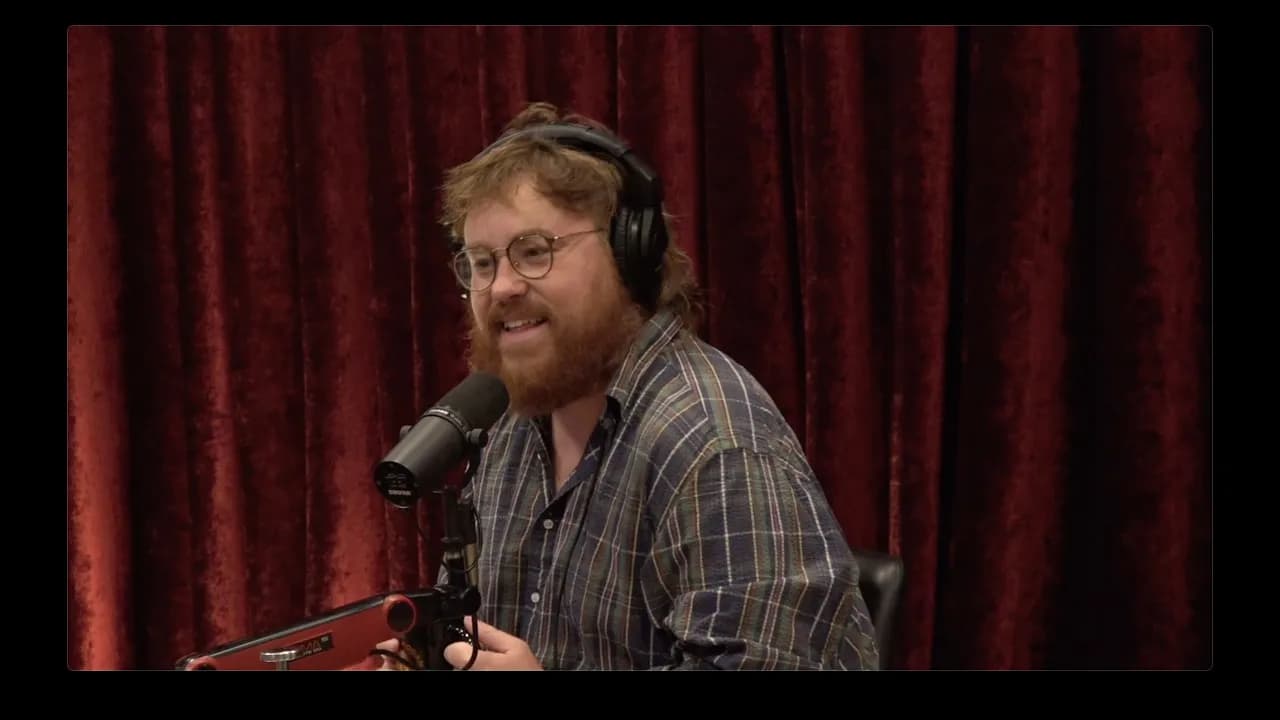
How we made an AI version of Jon Wertheim
In a Nutshell
CBS used Runway AI to create a fully AI-generated video version of correspondent Jon Wertheim from just a photo and short clip, demonstrating how AI can now replicate a person’s appearance, voice, movement, and environment. The segment shows AI can customize elements like lighting, camera angles, and performance in real time, but stresses that journalism—especially interviewing and reporting—cannot be replaced by AI. CBS also highlights their new verification systems to detect AI-generated content amid growing job displacement concerns.
These notes were generated by AI and may contain inaccuracies.
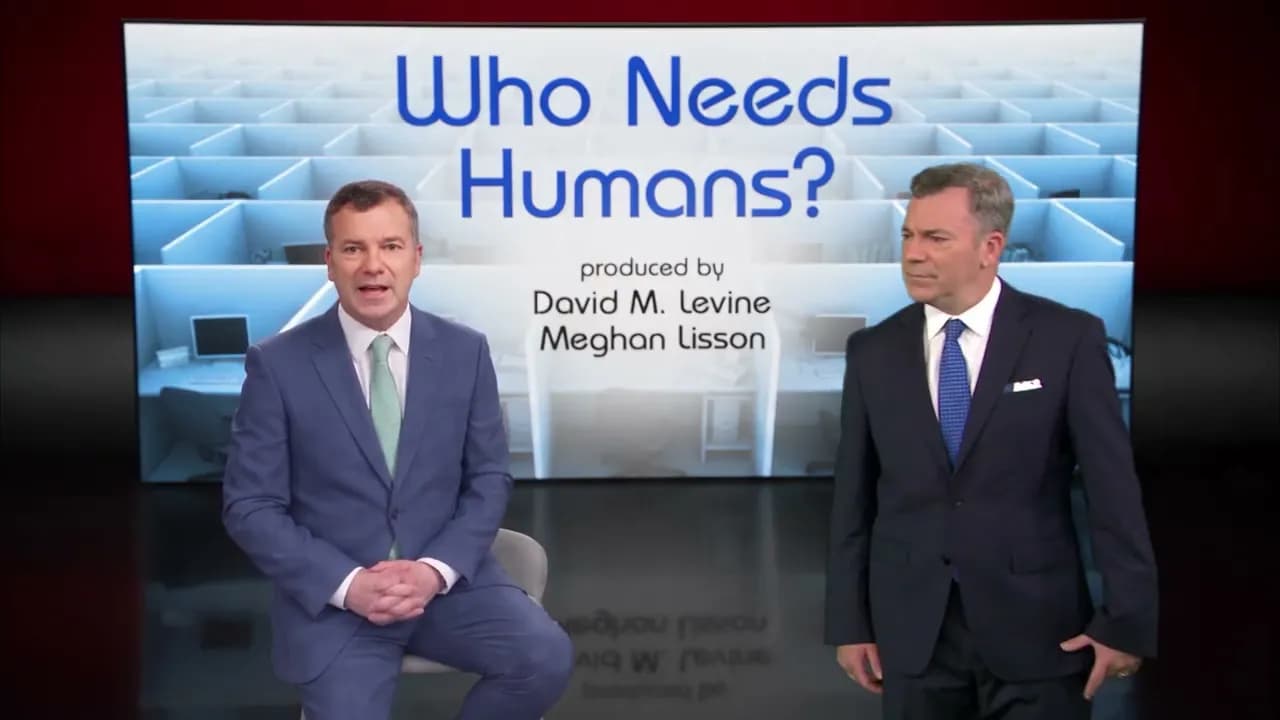
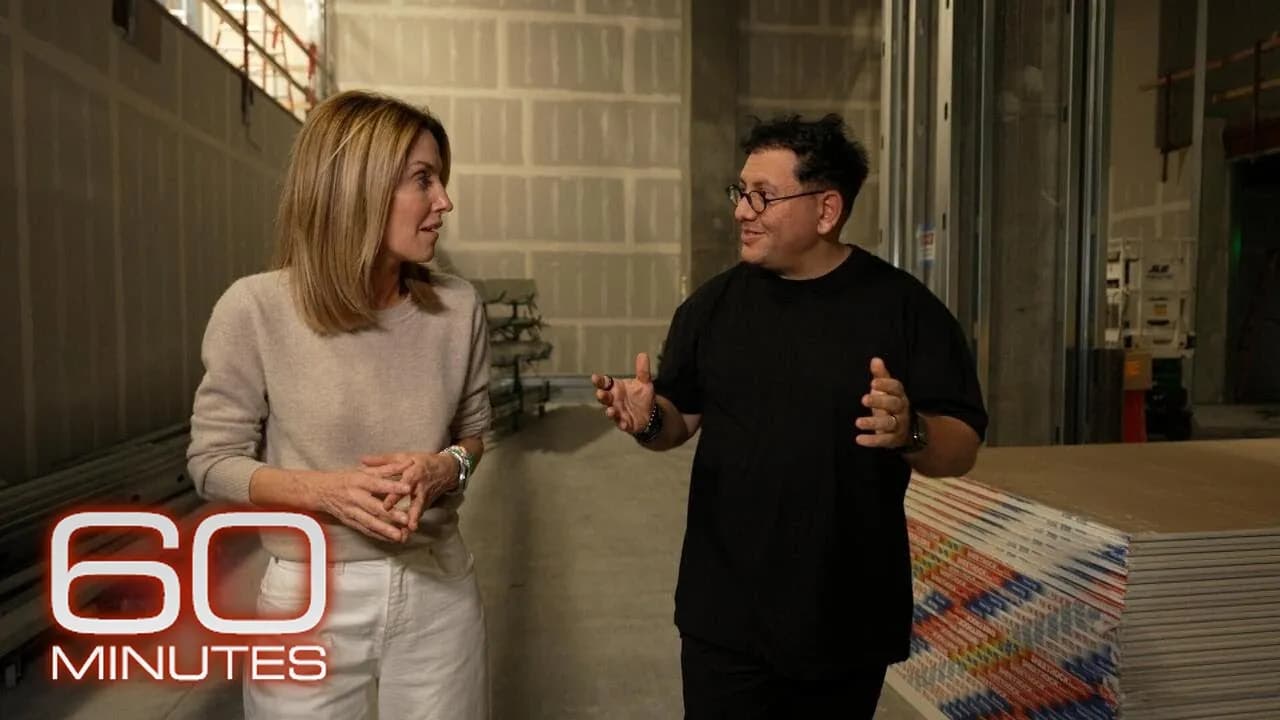
What if I told you that what you're watching isn't real? It's AI. Even me. Impossible, right? This week on 60 Minutes, we are doing a story about the future of work and if AI is going to replace all of our jobs. And we thought what better way to tell that story than to show it. So we came to Runway, an AI company in New York City that is going to show us how they created an AI 60 Minutes correspondent.
So all I gave you before we started this was essentially just a screenshot of John. Yep. So can you walk us through what you've done and how you did it? Absolutely. So really simple. We took the screenshot that you gave us and a short clip from an existing segment. This is the clip here. Play it for you. Answer to Secretariat. This is about a dead horse, okay, which we could obviously make come alive with AI. Yeah.
So you just took this clip and then what did you do with that? That clip and then we upload it to Runway. And then we take a character sheet that we created of John. So this is AI John. That's not real John. This is not real John. And we asked Runway to make basically what you would do in wardrobe, right? A full body shot, front, back, and a close-up. Yeah. And then we just tell the model what we want. So what we're doing is creating an entirely new clip where everything is generated. But it's using the information that it has for everything from John to the set to the camera movement to his performance. Everything is AI generated.
It's all AI. So when I go to ChatGPT or Claude or Gemini or any of these other word-based LLMs, I give it a prompt. I say, "Write me a poem about a dog named Bob" or whatever it is. And it uses essentially all of the things it has learned from the human language to then write that poem. What's happening here that is this different? Is it just an image version of that? How does this work? It's similar in a lot of with an LLM like ChatGPT or Claude. Basically, it's predicting the next word in the sequence, right? With this, it's predicting the next frame. So, based on the references that we give it, AI John, the information from the original video, and then it's understanding of the world, it's able to predict what should happen next based on what we're asking for. So, it's the exact same thing, but visually. Yeah, you're directing it.
So, if you take a look here. Let's take a look. This past week in Washington, America's tech titans met with President Trump to talk about. So, you can change all aspects of this, right? You can make him talk faster. You can make him walk off stage or stay or do all sorts of things. We can relight the scene. We can change the background. Me some other examples? Yeah, why don't we watch this one here, shut down.
Shut down. What if I told you that what you're watching isn't real? It's AI. Even me. Is this the moment in the video where I call John and tell him we don't need him anymore? No, it's the moment. I'm just kidding. It's a joke. It's a joke. I just want to be very clear here. We are not going to be putting AI correspondents or AI video or anything AI in our 60-minute segments. What we're doing is showing you how far this technology has gone and what it means for the future of work. Impossible, right? Poor John.
Do you worry about people losing their jobs to this? What are your thoughts on it? I mean, we're building for artists and for professional creators. We work very closely with studios, animators, directors, agencies. It's just another tool in the tool set to create things more readily. So, we really see it as an additive thing to the process, and we've already seen new jobs crop up and high demand for talent that can actually leverage the technology in existing workflows.
As the executive producer of a television news show, seeing how far these technologies advance creates a pretty big challenge. So, one of the things that has been happening in the news industry at large, but also at CBS specifically, is we now have a group that can verify that a photo is not AI generated, that audio is not AI audio, and now if a video we see anywhere is real or if it was made with an AI. Mark the end of civilization as we know it.
All right, here we go. Let's go to the end zone. So, we are now at 60 Minutes Studio 33, which is the control room, and here we're going to put it all together. And I have a very special guest who's going to be helping me do that, and that is the real Jon Wertheim. Sir, how are you? You know, we joke around a little bit in the process of making this video that Jon could be replaced, but the reality is when it comes to journalism, you can't. We can create a fun segment where Jon turns into a fish or a dog or whatever it is, but there's no AI version of a correspondent or a journalist that can sit across from people and ask questions.
Will AI? You know what I love about this segment? Is it says who needs humans, and there's all these humans working on it. To me, that really shows, yes, there are parts of the industry that can be replaced by technology, but for the most part, this is an industry that will never be replaced by AI. That right there. It sounds like science fiction, it sounds far-flung, in decades from now, and fanciful until you actually. Until you actually see it. Yeah. Not me. That was AI. Great. That was good. All right, good.
Keep 60 Minutes in your library
Save the videos and channels worth coming back to, and find them again in one place.