I Only Eat THESE 3 Meals On Carnivore
In a Nutshell
The speaker eats 95% of meals from just three simple foods: ground beef (cooked or eaten cold), eggs (prepared any way), and meatballs (made in bulk, frozen raw, then air-fried from frozen). These are cheap, easy, and provide ideal protein-to-fat ratios for carnivore success. Chuck roast is a close fourth, slow-cooked plain overnight for effortless family meals.
These notes were generated by AI and may contain inaccuracies.
95% of meals are three specific meals after 1,200 days on carnivore. The speaker shares lessons learned from each meal and mentions a special number four meal at the end.
Social media shows occasional reverse-seared ribeye steaks cooked in cast iron with beef tallow and butter, but these are rare. The speaker eats a big ribeye on birthdays and giant steaks outside of that. 95% of carnivore meals consist of the same three meals repeated over and over.
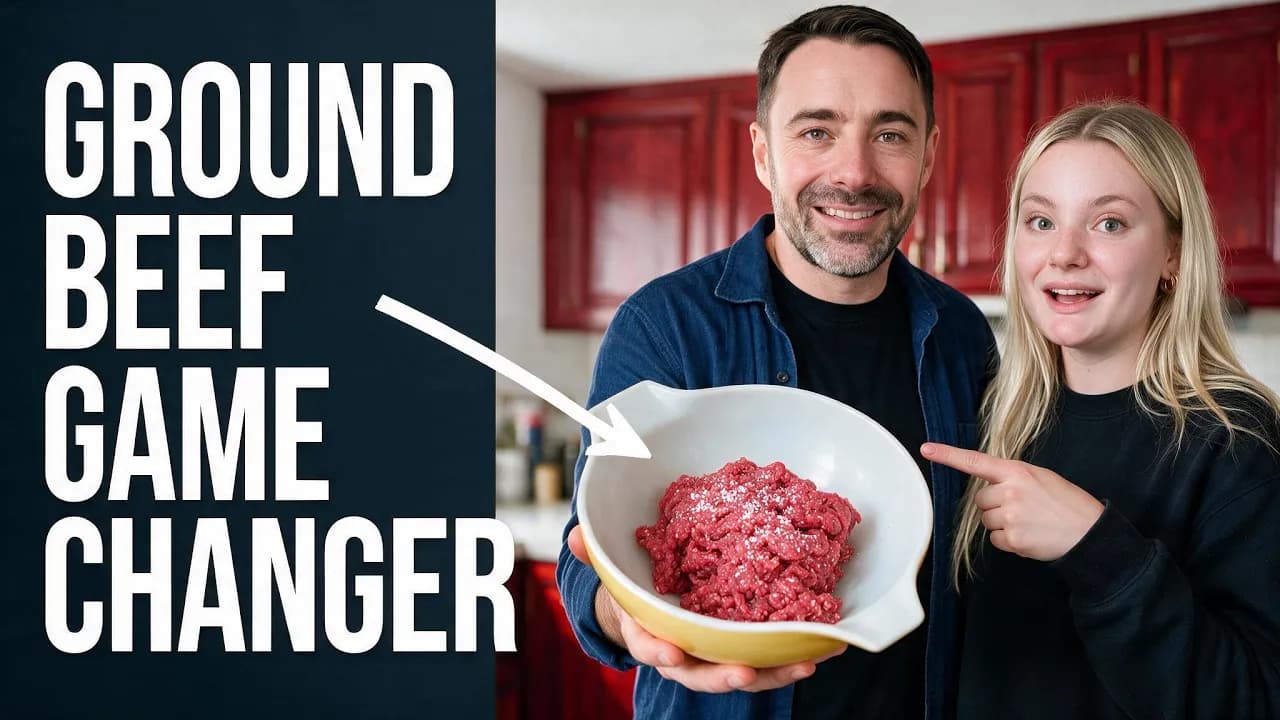
Ground beef or burger patties is the primary food eaten over the last 1,200 days. The speaker initially found the thought of scrambled eggs with ground beef for breakfast gross, but now thrives on ground beef. Ground beef is prepared by taking it and chunking it up roughly into the air fryer. Another preparation method involves cooking up a big batch of ground beef, eating some, and putting the rest in the fridge. The next day, the ground beef is hard with fat solidified around it when cold. The speaker finds this cold, solidified ground beef delicious.
Ground beef has the perfect ratios of protein to fat needed to thrive on carnivore. It is incredibly inexpensive, with big tubes at Walmart costing about $4.44 per pound. The speaker recommends buying in bulk, as smaller packages cost more per pound. Walmart often has yellow tags on ground beef, steaks, and chuck roasts in the morning indicating sales.
Eggs are the second most frequented meal on carnivore and can be prepared many different ways. Eggs are one of the best foods to eat. The biggest lesson learned is that there are so many different preparation methods. When people think they are sick of eggs or bored of eggs, they probably have not tried preparing them enough ways. Preparation methods include frying, scrambling, hard boiling, making an egg in a power bowl, and making crispy egg yolks in a little bit of butter.
The speaker raises a question about whether egg quality matters for health between the cheapest grocery store eggs versus the most expensive free-range eggs. The speaker prefers and loves their home-raised eggs where chickens eat bugs, grubs, and free-range, resulting in the richest, most delicious eggs. However, the speaker survived over a year on carnivore eating the cheapest grocery store eggs and is thriving. The speaker believes even the cheapest grocery store eggs are a million times better than Pop-Tarts, donuts, and cereal that most people eat for breakfast. The speaker regrets feeding their children highly processed cereal in the morning, influenced by marketing claims that breakfast is the most important meal of the day and the convenience factor when rushing to work or school. The speaker can whip up scrambled eggs in a couple minutes, making the time excuse invalid.
Beast Mode Soap is the sponsor. The speaker has used this for almost 2 years. The soap is made with 100% beef tallow and is super clean. The speaker changed their diet, which saved their life, and learned that what is put on skin ends up in the bloodstream just like what is eaten. The speaker only wants clean things on their body and in their body. Beast Mode Soap goes everywhere with the speaker, including during a four-city screening tour of Healing Humanity in four days, heading to Texas, Arizona, and Washington. The speaker will not leave home without Beast Mode Soap.
Meatballs are the third most frequently eaten meal and have been eaten every day lately. The speaker considers their household meatball experts, having done more meatballs than any Italian restaurant. They sometimes prepare 100 meatballs on the countertop. They have tried every recipe and iteration from straight ground beef to ground beef mixed with pork, different fat ratios, different sizes affecting the Maillard reaction and crustification, and different combinations of toppings.
The favorite recipe is ground beef with a little bit of pork. They go lighter on fat because most fat renders out, so even 90% protein to 10% fat is fine for meatballs. The speaker likes bacon chunked up and blue cheese as one of their favorites.
The biggest lesson learned is about freezing methods. Previously, they would prepare 100 meatballs, cook them in the oven or air fryer, put them in freezer bags, and freeze them. When reheating from frozen, they were overcooking them. The better method is to make up 100 meatballs and freeze them raw in serving-size bags. When ready to eat, they take frozen raw meatballs out and put them directly in the air fryer for about 8 minutes, resulting in incredible cooked-from-frozen meatballs that are convenient, delicious, and not overcooked. Freezing raw and cooking for the first time produces better taste than cooking, freezing cooked, and reheating.
For new carnivore eaters, the speaker hopes these three meals will help, particularly meatballs. A big tube of ground beef (maybe a 10-pounder) can be purchased on sale, made up in one day, providing meals that last forever with convenience.
The number four meal is chuck roast, which could possibly be in the top three. Chuck roast is inexpensive, delicious, has the perfect proportion of fat to protein, feeds a big family, and is simple to prepare. The speaker has done many videos joking about chuck roasts because people say carnivore is hard and complicated. The preparation involves taking the chuck roast, dabbing salt on it, and releasing it into the slow cooker with no water, no spices, nothing. Turn it on low and leave it overnight. The next morning, the whole house smells incredible. There is liquid in the slow cooker that came out of the meat, which is fantastic meat broth. A little butter and salt can be added to the end. The speaker encourages viewers to try this and leave comments.
The speaker asks viewers to comment on whether the cheapest eggs in the world are just as good as the most expensive eggs from a health perspective, not taste perspective, in terms of healing and fixing metabolic health. The speaker wants to know if viewers think the cheapest eggs are worth it if that is all someone can afford. The speaker thanks viewers for watching and directs them to healinghumanity.movie to see where they can watch the documentary.
Keep HomeSteadHow in your library
Save the videos and channels worth coming back to, and find them again in one place.