I Tested Costco's Viral 20-Pound Steak
In a Nutshell
Costco sells a 20-pound beef ribeye primal cut for $14.99 per pound, saving $4 per pound versus their pre-cut steaks and $8 per pound compared to grocery stores, delivering immediate savings of $80-$160. The meat requires cutting with a sharp knife, vacuum sealing for storage, and cooking via cast iron skillet method, while the fat cap provides essential nutrients. The speaker, on a 1,200-day carnivore diet, emphasizes that the primal cut's fat content is critical to health benefits achieved through this eating approach.
These notes were generated by AI and may contain inaccuracies.
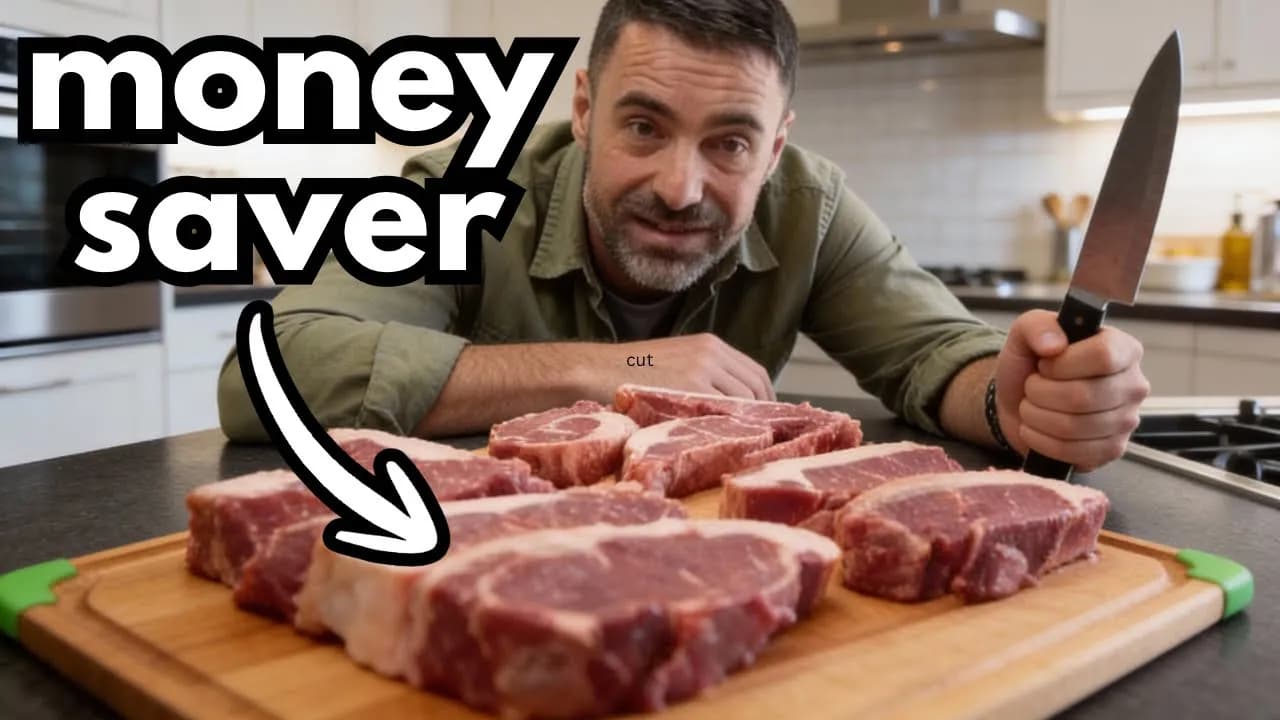
The video tests Costco's 20-pound beef ribeye primal cut. The choice beef ribeye steak sold pre-cut is $19 per pound, while the primal cut is $15 per pound, saving $4 per pound. The 20-pound primal saves $80 compared to buying pre-cut steaks. The primal cut is not tenderized with needles, avoiding the risk of pushing surface bacteria into the interior. Pre-tenderized steaks require cooking to specific temperatures to kill bacteria that may be pushed inside.
Pre-cut ribeye at Costco costs $18.99 per pound. Mid-chain grocery store ribeye typically costs $23 per pound. The primal cut at $14.99 per pound saves $8 per pound compared to grocery store pricing. A 20-pound primal saves $160 versus buying at $23 per pound. The primal cut requires a vacuum sealer for proper storage and freezing.
A sharp knife is essential for cutting the primal. Dull knives tear and shred the meat. The first cut was made at 1.5-inch thickness. Subsequent cuts were made thinner by scoring first to ensure straight cuts, then continuing with the knife parallel to the cutting surface. The fat cap on ribeye is considered the best part and should not be trimmed off.
Alyssa uses a cast iron skillet method that produces better results than reverse sear smoking. The process begins by adding tallow to the pan while prepping the steak. The steak is patted very dry with paper towels before seasoning. A garlic and onion ancestral blend seasoning is applied generously on both sides and rubbed in. The steak is flipped only once during cooking and allowed to rest 5-10 minutes after cooking on a rack rather than directly on a cutting board to preserve juices.
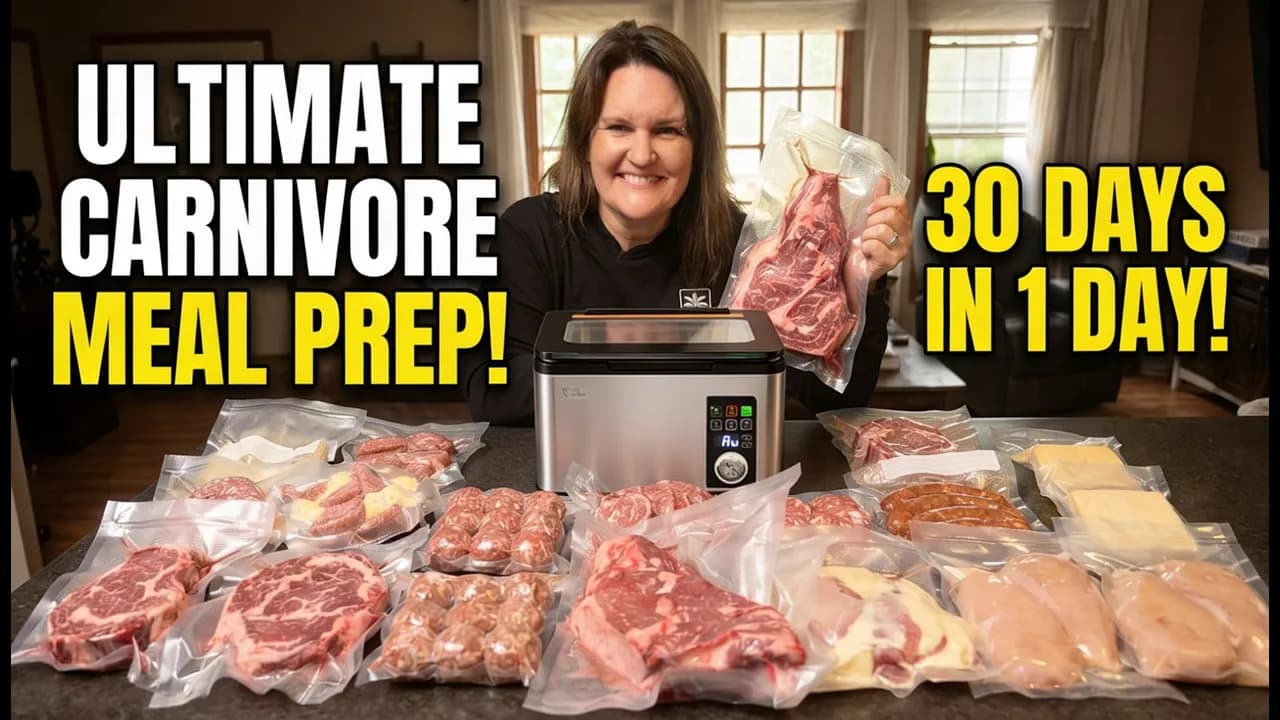
The chamber vacuum sealer creates a tight seal by closing the chamber after removing air, similar to submerging a bag in water to displace air. This produces a superior seal compared to external vacuum sealers. The bags come in perfect sizes for individual steaks, with 100 pouches included. The vacuum sealer pays for itself through bulk meat purchases and sale items. Frozen steaks can be cooked directly from frozen in an air fryer or thawed overnight in the refrigerator.
The entire 20-pound primal will be consumed, providing 100% nutrient utilization. The speaker has been on a carnivore diet for over 1,200 days, lost 100 pounds, overcame depression, arthritis, anxiety, and reversed congestive heart failure according to medical records. The fat content of ribeye is emphasized as critical, described as "liquid gold" that saved the speaker's life.
The ribeye primal at $14.99 per pound saves $4 per pound versus Costco's pre-cut ribeye at $18.99 per pound. The 20-pound cut saves $80 immediately. Compared to $23 per pound grocery store pricing, the savings equal $8 per pound or $160 total on 20 pounds. The cutting process took approximately 10 minutes. The vacuum sealer represents a one-time investment that enables bulk purchasing and freezing.
The cooked steak achieved perfect results using the cast iron skillet method. The ribeye primal at $14.99 per pound is considered worth purchasing if a vacuum sealer is available or will be purchased. The steaks can be stored in the freezer and cooked from frozen or thawed as needed.
Keep HomeSteadHow in your library
Save the videos and channels worth coming back to, and find them again in one place.