Michael Pollan's best advice for eating healthier food
These notes were generated by AI and may contain inaccuracies.
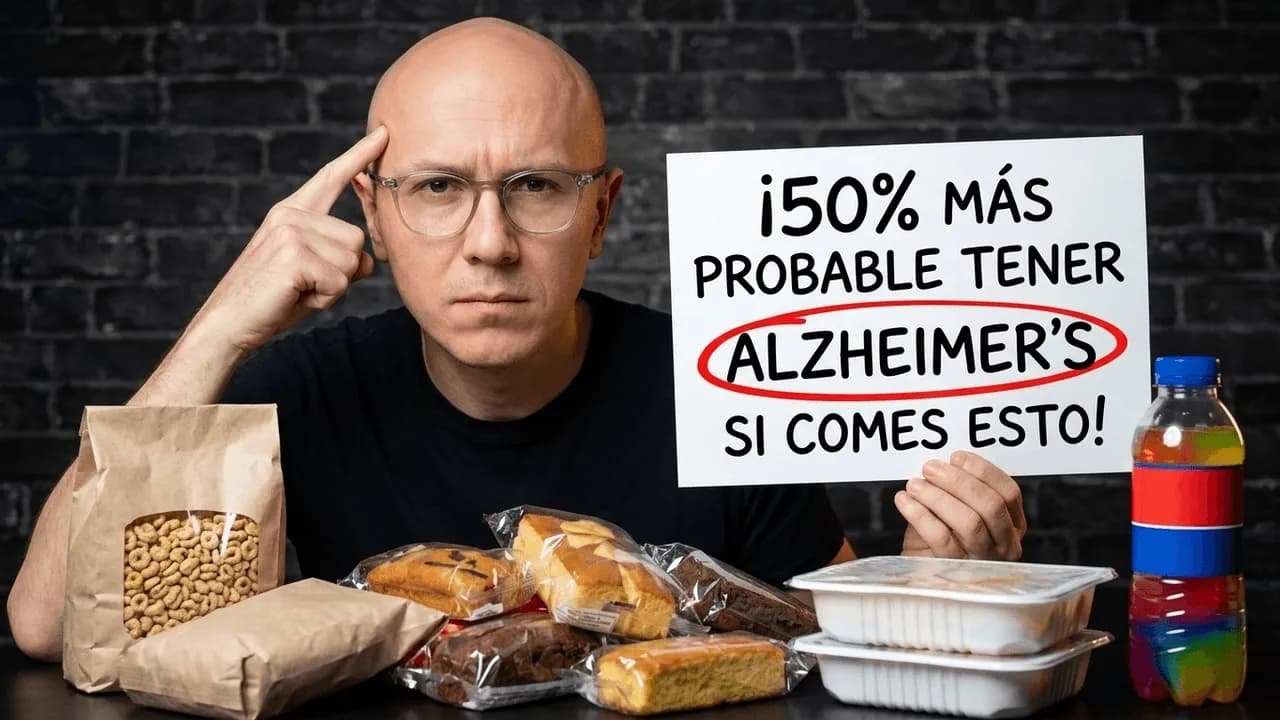
60 Minutes reports on ultraprocessed foods: plastic-wrapped, ready-to-eat items lining grocery store shelves. The United States has been exposed to something biology was never intended to handle: energy-dense, highly palatable, rapidly absorbable ultraprocessed foods that have altered metabolism, resulting in the greatest increase in chronic disease in history, including type 2 diabetes, prediabetes, hypertension, abnormal lipids, fatty liver, heart attacks, stroke, heart failure.
David Kessler, former commissioner of the Food and Drug Administration, in the 1990s helped expose tobacco industry tactics. Now turning attention to ultraprocessed foods with highly processed ingredients like corn syrup and maltodextrin, which make us sick and cause overeating by targeting brain reward circuits, triggering overeating, and depriving sense of fullness.
We have a national eating disorder because it's making us sick.
Michael Pollan, food author, has warned about factory-processed foods for decades. Heart disease, stroke, diabetes, even dementia linked to bad diet. 70% of Americans overweight or obese, indicating something wrong with how we eat; all those diseases tied to diet.
Recent study: participants lived in a location for a month. For two weeks, one group had ultraprocessed food (as much as wanted); other group had whole foods. Ultraprocessed group ate 500 more calories a day. Hypothesized due to energy density: every bite has more calories. Many foods stripped of fiber, leading to less fullness and more eating.
Humans evolved to love certain nutrients like sugar for quick energy. Sugar was rare, so no problem. Now ubiquitous, often from corn-derived sweeteners, cheapest commodity. Found even in canned tomato sauce as high fructose corn syrup or other forms.
Consumer Brands Association: companies innovate to meet consumer demand, adhere to FDA science and risk-based evaluation of ingredients before and after marketplace.
In 2009, Pollan wrote bestseller Food Rules: An Eater's Manual, offering tips for healthy diet; now illustrated version.
Eat food. Not too much. Mostly plants.
That's my dietary guidelines. I wouldn't change anything.
If you can't pronounce the ingredients, it's not food. Something a third-grader couldn't pronounce, don't eat.
Don't eat anything you see advertised on television. Real food doesn't have a budget. Broccoli doesn't have an ad budget, whereas PepsiCo or Oreo do.
Biggest best change: shop the outside of the supermarket more than the inside—produce, fresh food, dairy on outer loop; middle aisles have trouble foods. Shop the perimeter.
Have a home-cooked meal: if never, start once a week; if once, do twice.
Ultraprocessed foods convenient, cheap, easy to prepare for family—big ask to give up. Need to make healthy food more affordable by subsidizing healthiest calories from the farm.
Need a food policy considering: does it contribute to population health? Environment health? If simply makes food cheap but achieves none of those, totally inadequate.
Keep 60 Minutes in your library
Save the videos and channels worth coming back to, and find them again in one place.